Ingredient Decoded / Fats And Essential Fatty Acids
Anchovy Oil
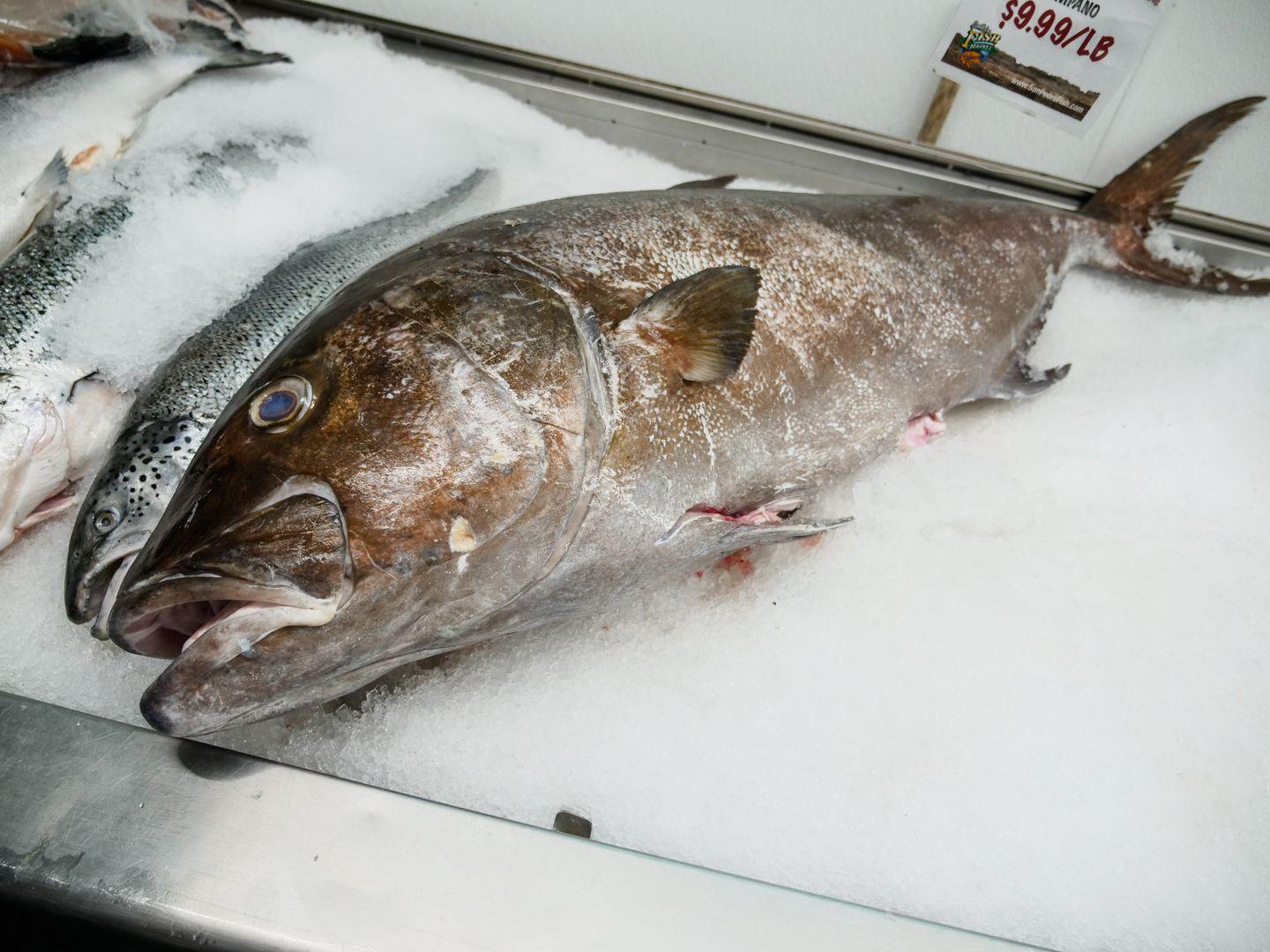
Anchovy oil is extracted from small pelagic fish and is commonly used as a source of long-chain omega-3 fatty acids. It can contain EPA and DHA, but the proportions vary with anchovy…
Anchovy oil is extracted from small pelagic fish and is commonly used as a source of long-chain omega-3 fatty acids. It can contain EPA and DHA, but the proportions vary with anchovy species, fishing area, season and processing.
Anchovy oil is not automatically more concentrated or more effective than other marine oils. The finished product’s EPA and DHA content should be stated separately, and oxidation control is essential because these fatty acids are highly unsaturated.
In dog and cat foods, the relevant dose is the amount of EPA plus DHA delivered in the complete diet. Total oil content alone can be misleading. Check freshness, contaminant testing, antioxidant system and storage instructions. Evidence for omega-3 use in a particular veterinary condition does not establish that anchovy oil itself is a treatment; the dose and clinical context matter.
References
NRC. Nutrient Requirements of Dogs and Cats. National Academies Press; 2006. • FAO. The Production of Fish Meal and Oil. FAO Fisheries Technical Paper 142; 1986.
Krill oil is extracted from small marine crustaceans called krill. It contains the omega-3 fatty acids EPA and DHA, often alongside phospholipids and the antioxidant pigment astaxanthin. It…
2 min read
Ingredient Decoded / Fats And Essential Fatty Acids
Perilla oil is extracted from seeds of Perilla frutescens and is often rich in alpha-linolenic acid (ALA). ALA contributes to essential fatty-acid intake, but conversion to EPA and DHA is…
1 min read
Ingredient Decoded / Fats And Essential Fatty Acids
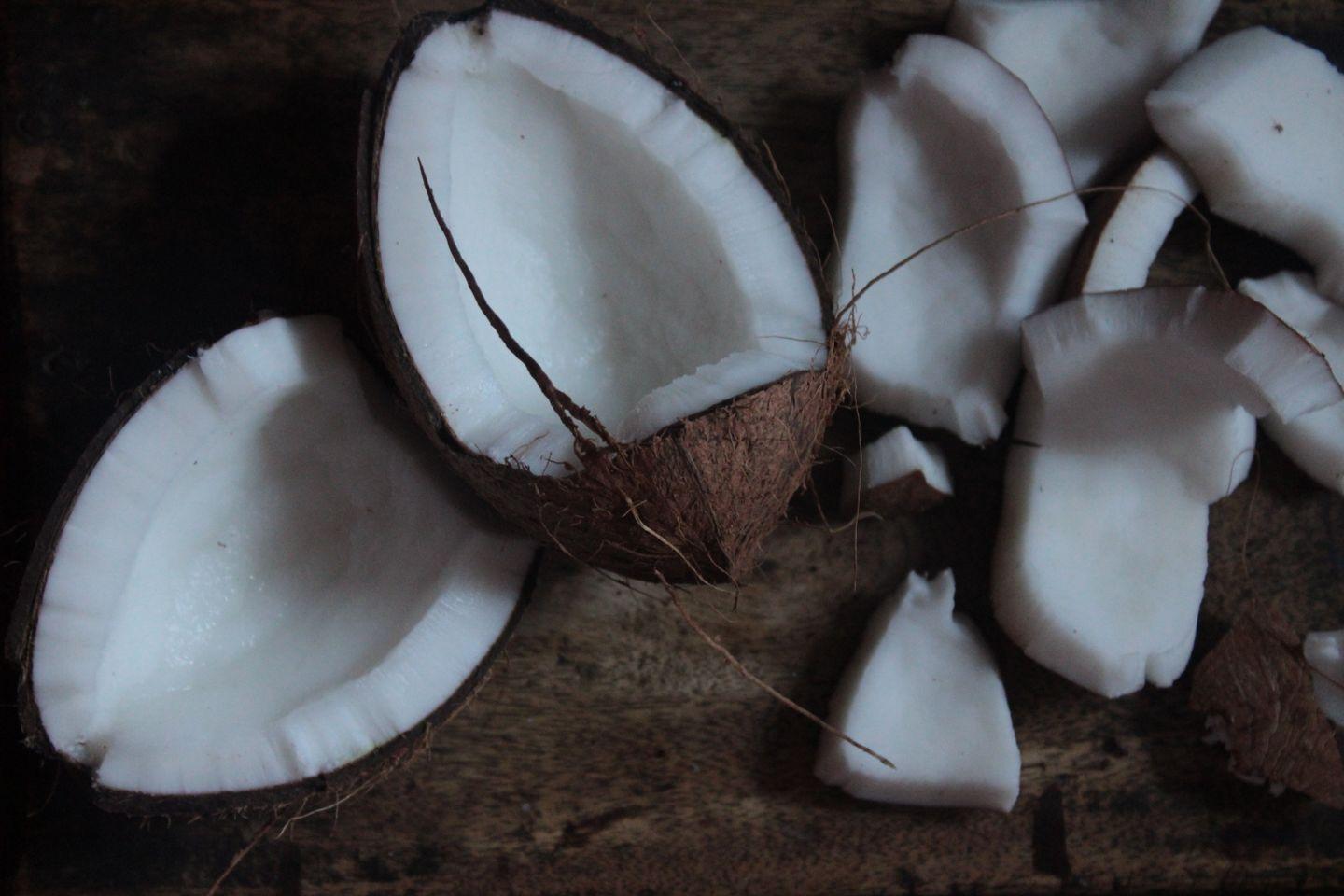
Coconut oil is extracted from the flesh of coconuts. It is rich in saturated fatty acids, particularly lauric acid. It is sometimes added to pet foods or promoted as a supplement for skin,…