Ingredient Decoded / Fats And Essential Fatty Acids
Calamari Oil
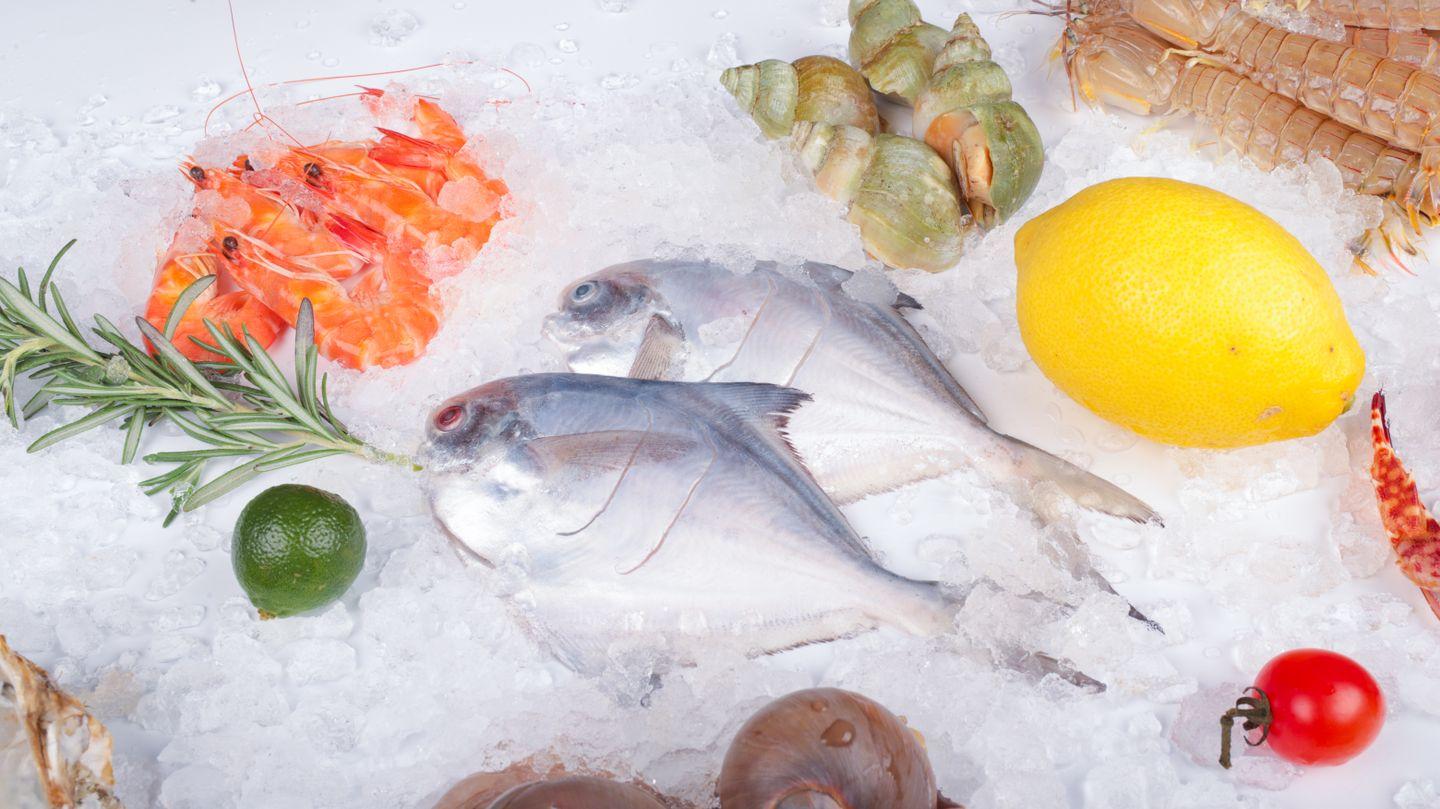
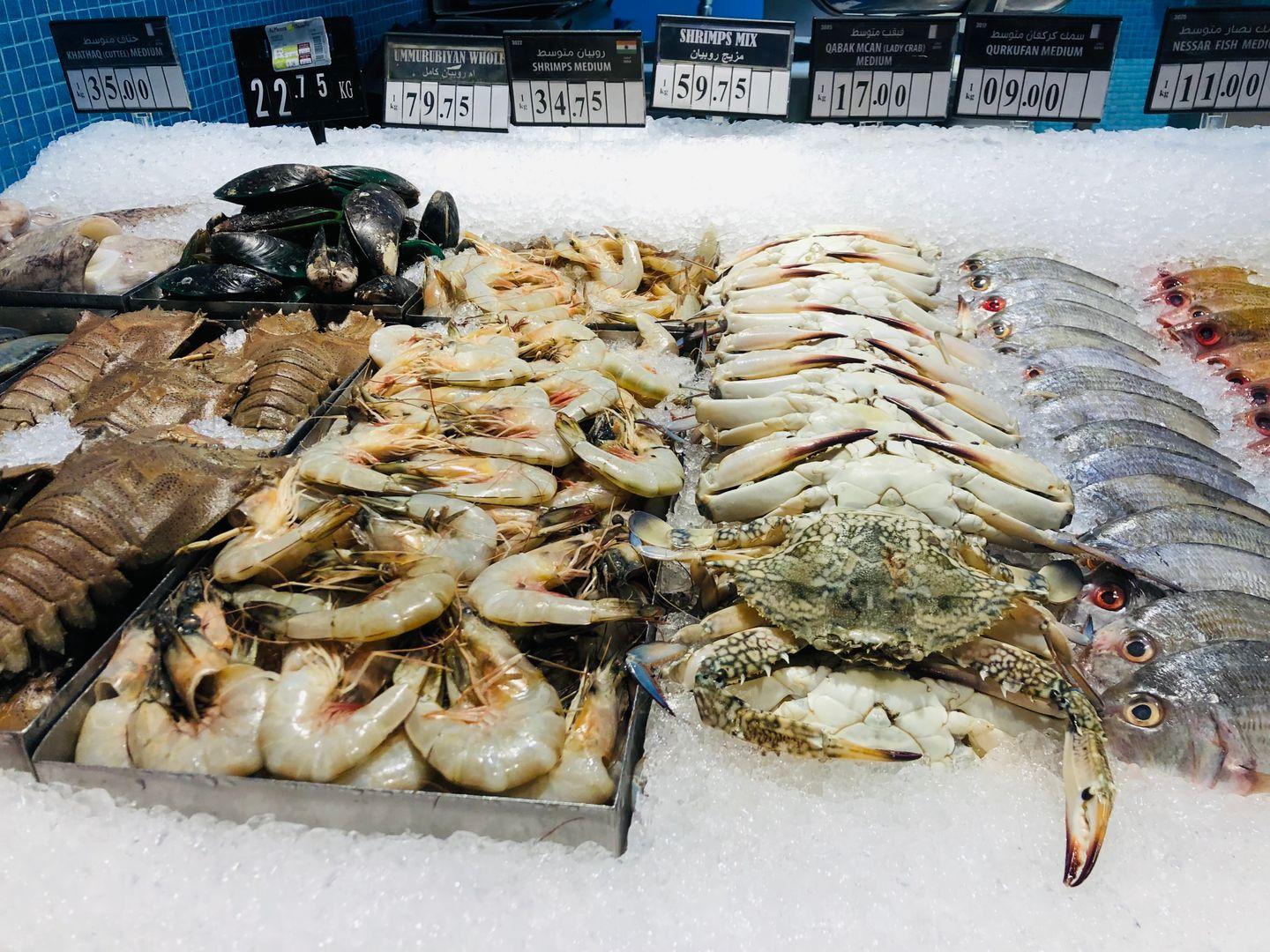
Calamari oil is a commercial description for oil obtained from squid tissues or squid-processing streams. The term does not specify the squid species, tissue source or extraction process.
Calamari oil is a commercial description for oil obtained from squid tissues or squid-processing streams. The term does not specify the squid species, tissue source or extraction process.
Fatty-acid composition can vary substantially with species, season, feeding ecology and processing. Therefore, a label claim such as “marine omega-3” is not enough to determine how much EPA or DHA a dog or cat receives. The finished oil should be analysed for its fatty-acid profile.
Quality control is important because polyunsaturated oils are susceptible to oxidation. Relevant specifications include peroxide and anisidine values, contaminants and storage stability. Evidence from one squid-derived oil or from aquaculture research does not establish a clinical benefit for every calamari oil product in companion animals.
References
FAO. Feed Ingredients and Fertilizers for Farmed Aquatic Animals: Sources and Composition. FAO Fisheries Technical Paper 540; 2009. • NRC. Nutrient Requirements of Dogs and Cats. 2006.
Krill oil is extracted from small marine crustaceans called krill. It contains the omega-3 fatty acids EPA and DHA, often alongside phospholipids and the antioxidant pigment astaxanthin. It…
2 min read
Ingredient Decoded / Fats And Essential Fatty Acids
Perilla oil is extracted from seeds of Perilla frutescens and is often rich in alpha-linolenic acid (ALA). ALA contributes to essential fatty-acid intake, but conversion to EPA and DHA is…
1 min read
Ingredient Decoded / Fats And Essential Fatty Acids
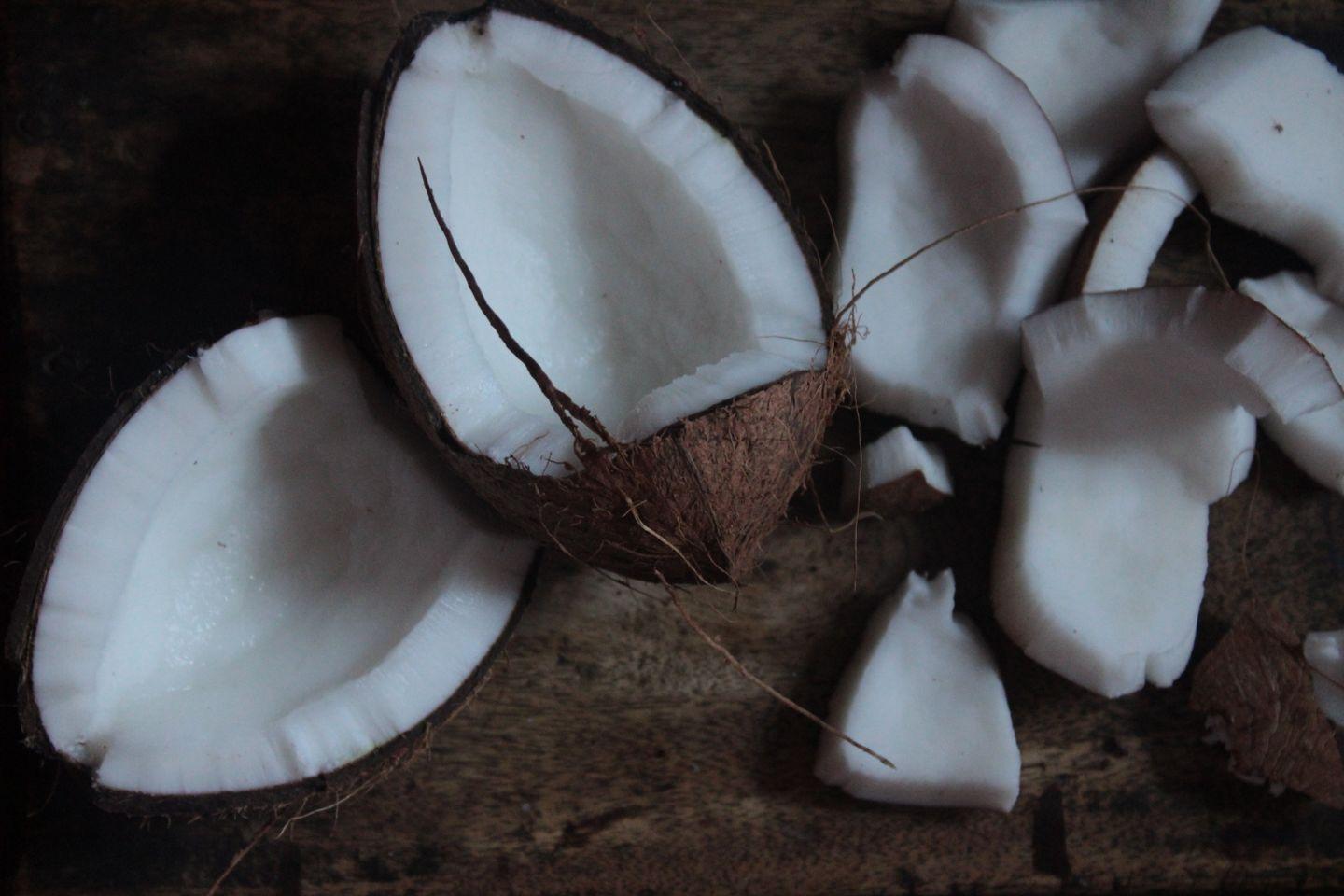
Coconut oil is extracted from the flesh of coconuts. It is rich in saturated fatty acids, particularly lauric acid. It is sometimes added to pet foods or promoted as a supplement for skin,…