Ingredient Decoded / Fats And Essential Fatty Acids
DHA: Understanding Its Importance in Brain and Visual Development
The development of a young animal involves an extraordinary amount of biological activity. The brain grows, the nervous system develops, and the sensory systems begin to function with…
The development of a young animal involves an extraordinary amount of biological activity. The brain grows, the nervous system develops, and the sensory systems begin to function with increasing complexity. One nutritional component that plays an important role in these processes is docosahexaenoic acid, better known as DHA.
DHA is an omega-3 fatty acid found in marine food sources and certain algae. It is particularly important in the development and maintenance of nervous system tissues.
What is DHA?
DHA is a long-chain polyunsaturated omega-3 fatty acid. It is an important structural component of cell membranes, particularly in the brain and retina.
Its functions include supporting normal brain development, contributing to retinal structure and function, supporting neuronal membrane properties, participating in cell signalling and contributing to normal nervous system function.
Why is DHA important during development?
The developing brain requires several nutrients to support its rapid growth and organisation. DHA is incorporated into neuronal membranes and retinal tissues. Adequate dietary availability during important developmental periods is therefore relevant to normal neurological and visual development. This is one reason DHA is included in specially formulated puppy and kitten foods.
DHA across different animal groups
Dogs and cats: DHA is important during pregnancy, lactation and early growth. It is used in specially formulated diets for puppies and kittens. Cats have a limited capacity to convert shorter-chain omega-3 fatty acids into DHA.
Birds: DHA is relevant to nervous system and visual tissue development. However, dietary requirements and the evidence base differ considerably between avian species.
Fish: DHA is an important fatty acid in the development of many fish species. It is widely used in aquaculture feeds, especially during larval and early developmental stages.
Rabbits and guinea pigs: DHA has biological relevance, but routine supplementation is not automatically necessary. Balanced diets appropriate to these herbivores remain the priority.
Turtles and tortoises: Fatty acid requirements depend on species and dietary ecology. Evidence for specific DHA supplementation recommendations in many pet reptile species remains limited.
Where does DHA come from?
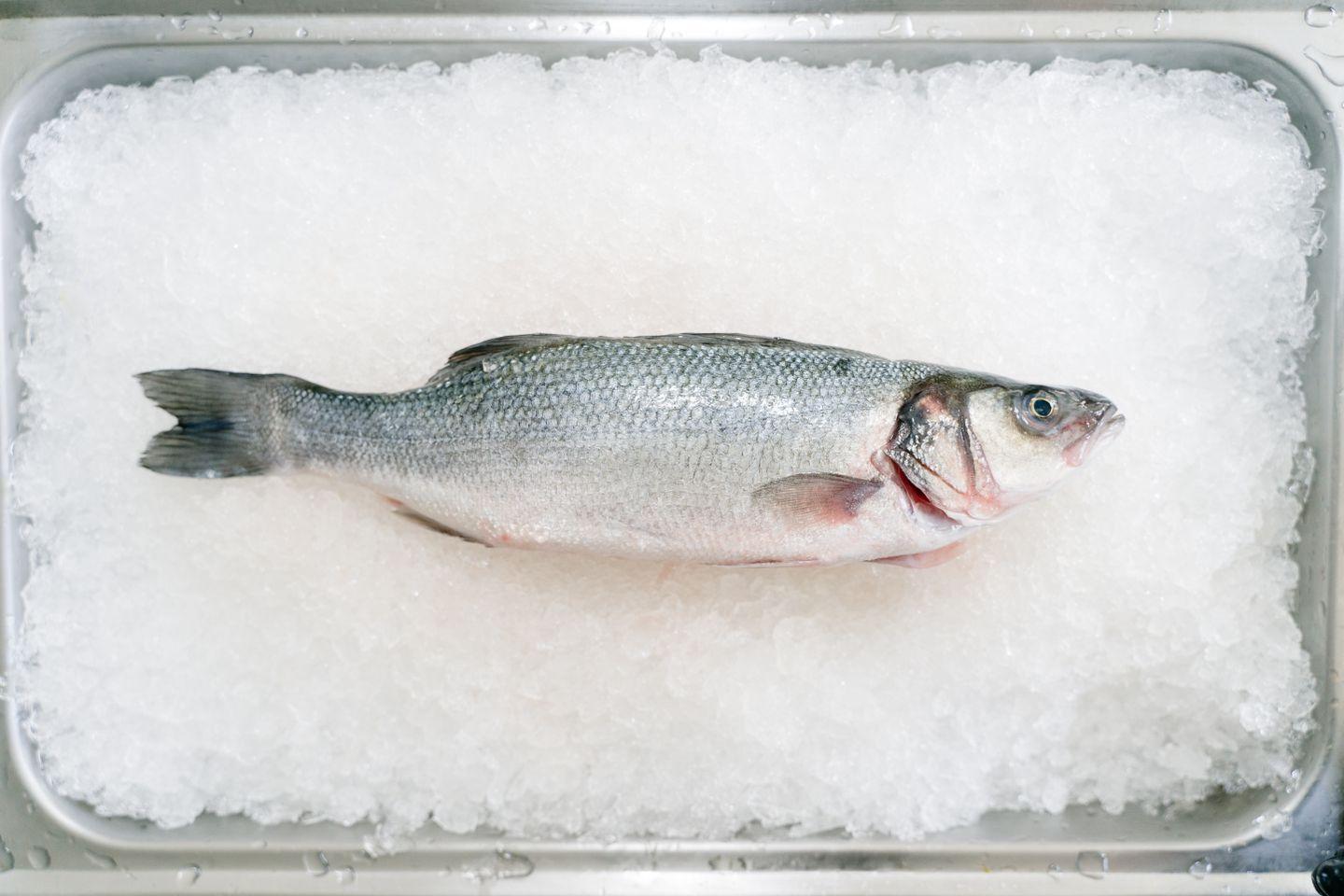
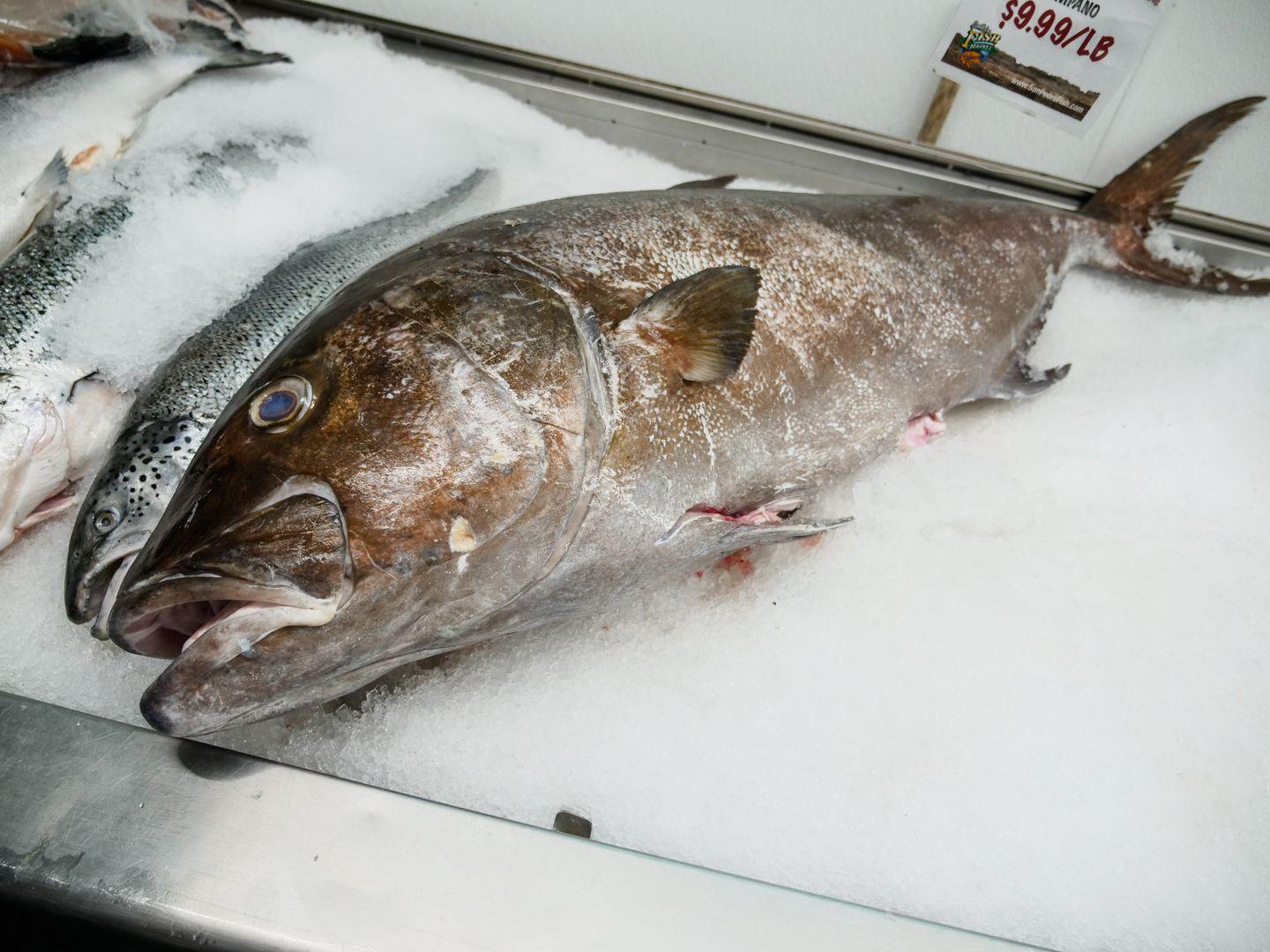
Common sources include fish oil, algal oil and certain marine organisms. Algal oil is particularly interesting because it provides a source of DHA without requiring fish-derived oil.
Is more DHA always better?
No. The correct quantity depends on the animal species, life stage and complete diet. Excessive supplementation may create nutrient imbalances, increase dietary fat intake and contribute to oxidation-related product quality problems.
What should caregivers look for?
Check whether DHA is specifically declared, its concentration per serving, whether the product is formulated for the animal species, whether it is appropriate for the animal's life stage, and the product's storage and oxidation controls.
The takeaway
DHA is more than another omega-3 ingredient. It is an important structural fatty acid involved in brain and visual development. Its inclusion in animal diets should be based on species-specific nutritional requirements and the animal's stage of life.
Fish oil is among the most widely recognised ingredients in animal supplements. It appears in products marketed for joint health, skin and coat condition, heart health and general wellbeing.
2 min read
Ingredient Decoded / Fats And Essential Fatty Acids
Lecithin is a mixture of phospholipids, naturally found in foods such as egg yolk, soybeans and some animal tissues. One of its important components is phosphatidylcholine, which is also a…
1 min read
Ingredient Decoded / Fats And Essential Fatty Acids
Krill oil is extracted from small marine crustaceans called krill. It contains the omega-3 fatty acids EPA and DHA, often alongside phospholipids and the antioxidant pigment astaxanthin. It…