Ingredient Decoded / Fats And Essential Fatty Acids
Fish Oil: Understanding Its Role in Animal Nutrition
Fish oil is among the most widely recognised ingredients in animal supplements. It appears in products marketed for joint health, skin and coat condition, heart health and general wellbeing.
Fish oil is among the most widely recognised ingredients in animal supplements. It appears in products marketed for joint health, skin and coat condition, heart health and general wellbeing.
However, not all fish oils are identical, and understanding their nutritional composition is important.
What is fish oil?
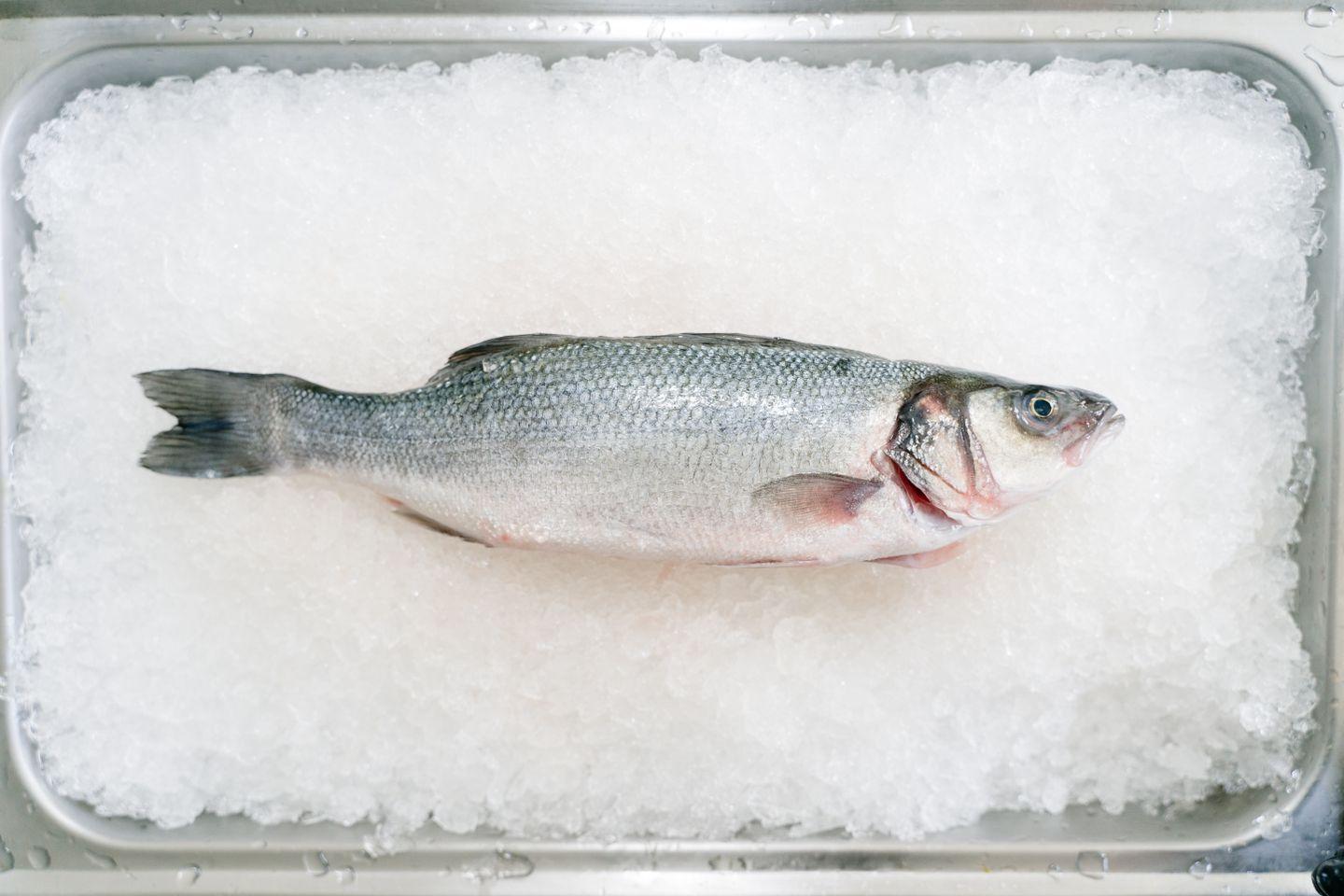
Fish oil is extracted from the tissues of oily fish such as sardines, anchovies, salmon, mackerel and herring. It contains different fatty acids, particularly the long-chain omega-3 fatty acids EPA and DHA.
Why is fish oil used?
EPA and DHA are involved in several physiological functions. They contribute to normal cell membrane structure, nervous system development, visual function, regulation of inflammatory pathways and skin and coat health. They have also been investigated for their potential role in managing certain inflammatory conditions.
Which animals can benefit?
Fish oil is widely used in dog and cat nutritional products.
In aquaculture, marine oils are important ingredients in many fish feeds, although alternatives such as algal oils and other lipid sources are also used.
Birds and other companion animals may receive omega-3 sources through carefully formulated diets, but fish oil is not universally necessary.
What should caregivers look for?
A fish oil label should ideally declare total oil content, EPA concentration, DHA concentration, source of the oil, purity testing, and oxidation and storage controls.
A product containing 1,000 mg of fish oil does not necessarily contain 1,000 mg of EPA and DHA.
Are there risks?
Excessive intake can cause digestive problems and affect normal blood clotting. Poor-quality or oxidised oil can also compromise product safety and nutritional value.
The takeaway
Fish oil is a delivery source of important fatty acids, not a health benefit in itself. Its value depends on EPA and DHA content, quality, dosage and suitability for the animal.
Krill oil is extracted from small marine crustaceans called krill. It contains the omega-3 fatty acids EPA and DHA, often alongside phospholipids and the antioxidant pigment astaxanthin. It…
2 min read
Ingredient Decoded / Fats And Essential Fatty Acids
Perilla oil is extracted from seeds of Perilla frutescens and is often rich in alpha-linolenic acid (ALA). ALA contributes to essential fatty-acid intake, but conversion to EPA and DHA is…
1 min read
Ingredient Decoded / Fats And Essential Fatty Acids
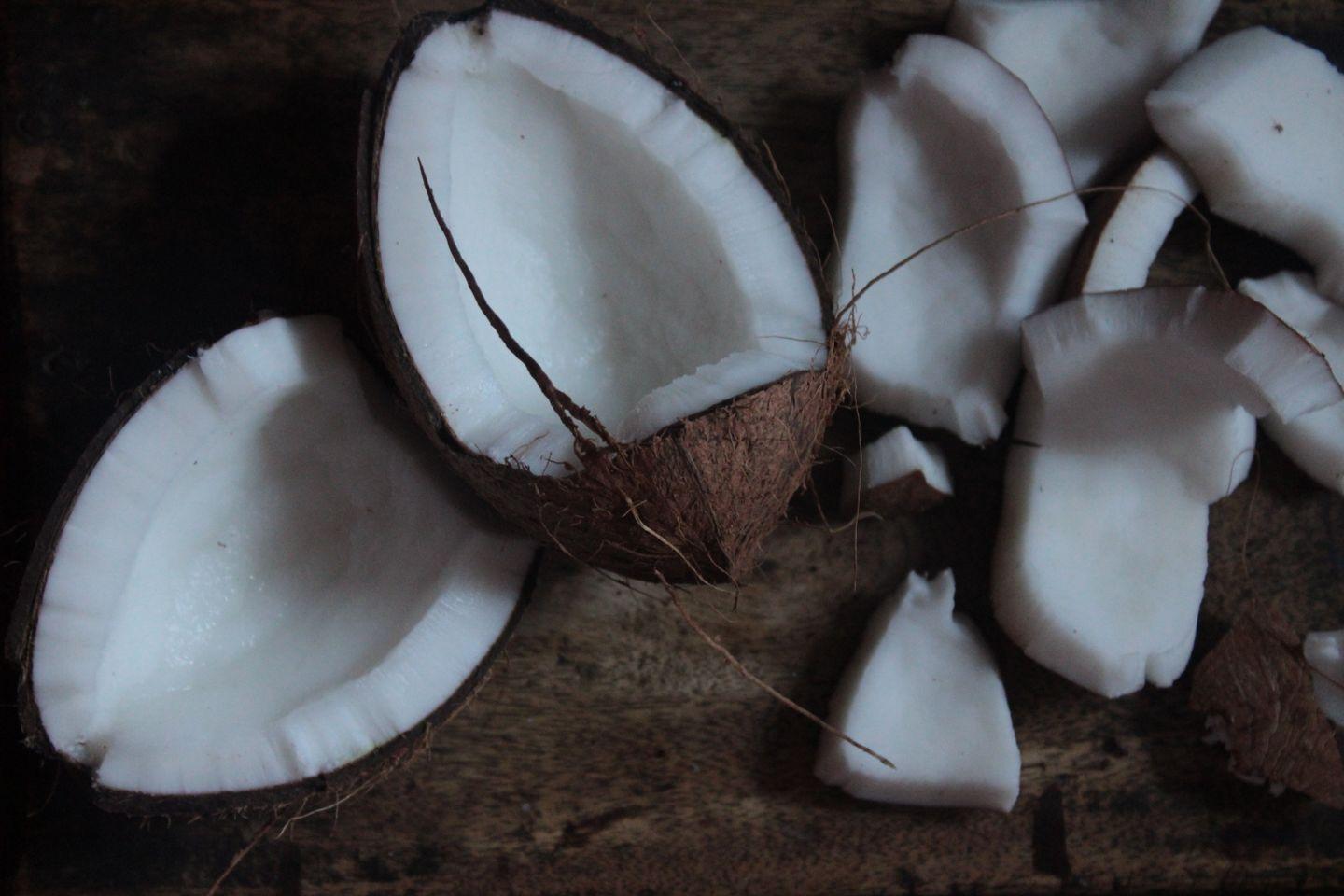
Coconut oil is extracted from the flesh of coconuts. It is rich in saturated fatty acids, particularly lauric acid. It is sometimes added to pet foods or promoted as a supplement for skin,…