Ingredient Decoded / Fats And Essential Fatty Acids
Omega-3 Fatty Acids: Why Are They Important in Animal Nutrition?
Fat has sometimes received an unfair reputation in animal nutrition. While excessive dietary fat can contribute to obesity, certain fats are essential for maintaining healthy cells,…
Fat has sometimes received an unfair reputation in animal nutrition. While excessive dietary fat can contribute to obesity, certain fats are essential for maintaining healthy cells, supporting development and regulating important biological processes.
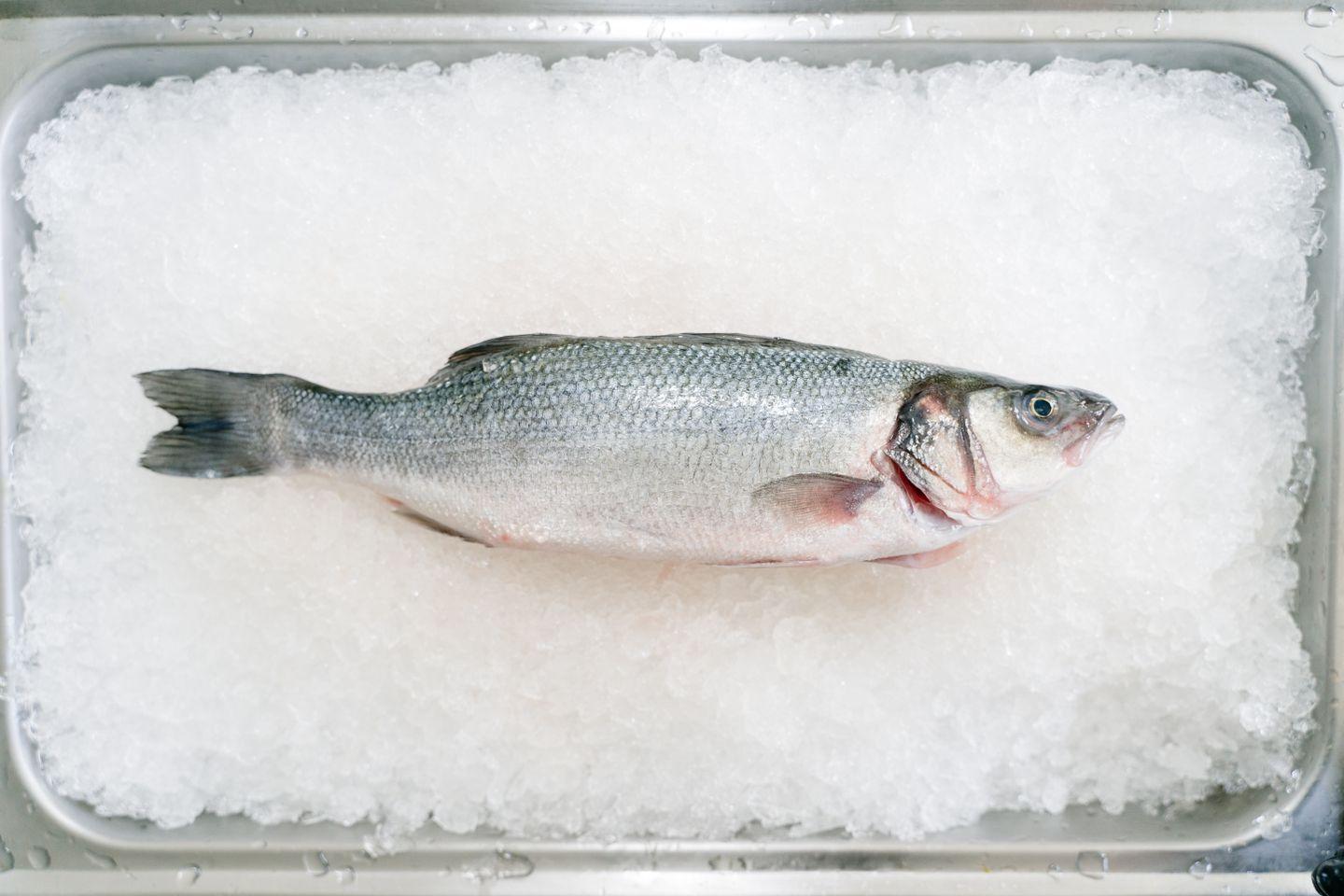
Among these, omega-3 fatty acids deserve particular attention. They are found in fish oil, certain marine organisms, algae and some plant sources. Their importance extends across animal nutrition, although the ability to use different omega-3 forms varies considerably between species.
What are omega-3 fatty acids?
Omega-3 fatty acids are a family of polyunsaturated fatty acids. Three commonly discussed forms are alpha-linolenic acid (ALA), eicosapentaenoic acid (EPA) and docosahexaenoic acid (DHA).
ALA is primarily found in plant sources, while EPA and DHA are commonly associated with marine sources. These fatty acids participate in cell membrane structure and several physiological processes.
How do omega-3 fatty acids work?
Omega-3 fatty acids are incorporated into cell membranes and influence the production of signalling molecules involved in inflammatory regulation. Their biological functions include supporting normal brain and nervous system development, contributing to retinal function, supporting normal cellular membrane structure, influencing inflammatory pathways, and contributing to skin and coat health in appropriate species.
Why are they important for different animals?
Dogs and cats: EPA and DHA are used in nutritional formulations for skin, coat and joint support. DHA is also important during early development. Cats have limited ability to convert ALA into longer-chain omega-3 fatty acids, making direct dietary sources of EPA and DHA particularly relevant.
Birds: Omega-3 fatty acids contribute to normal cellular and physiological functions. Their requirements and appropriate dietary sources vary between bird species.
Fish: Fish require essential fatty acids, but their requirements differ according to species and natural feeding habits. Marine fish and freshwater fish do not necessarily have the same ability to synthesise long-chain fatty acids.
Rabbits and guinea pigs: These animals require balanced dietary fats, but omega-3 supplementation should not displace the fibre-rich diets essential for gastrointestinal health.
Turtles and tortoises: Fatty acid requirements depend on species and natural dietary ecology. Generalised omega-3 supplementation recommendations are inappropriate.
Where do omega-3 fatty acids come from?
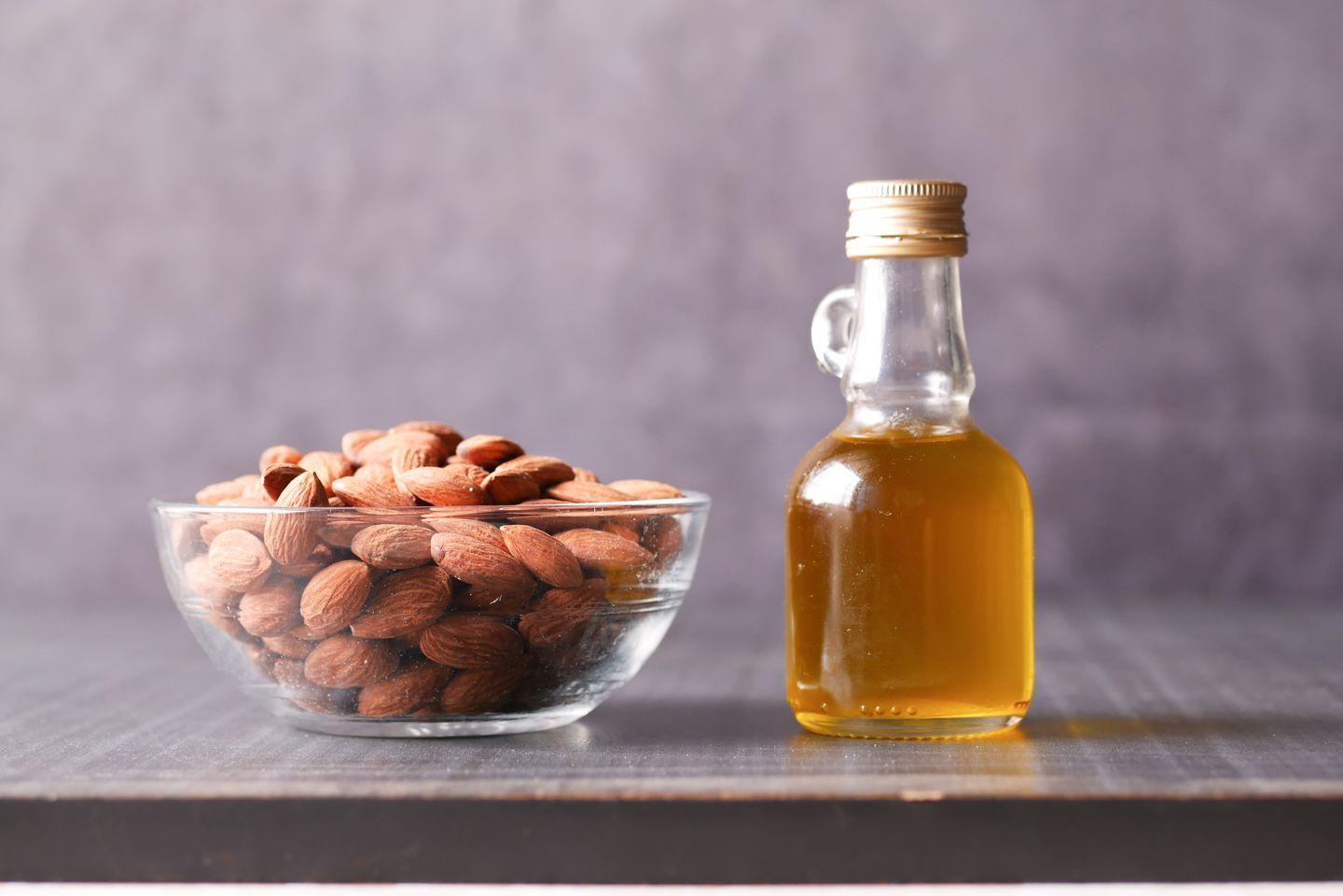
Common sources include fish oil, krill oil, algal oil, flaxseed, chia seeds and certain marine organisms. Different sources contain different fatty acid profiles. Flaxseed, for example, supplies ALA, but animals differ in their ability to convert ALA into EPA and DHA.
Can animals receive too much omega-3?
Excessive supplementation can cause digestive problems and may affect blood clotting. Oxidised oils can also compromise product quality. The amount of EPA and DHA matters more than simply looking at the total quantity of fish oil.
The takeaway
Omega-3 is not a single ingredient but a family of fatty acids with different biological functions. Understanding the distinction between ALA, EPA and DHA is essential when evaluating animal foods and supplements.
Fish oil is among the most widely recognised ingredients in animal supplements. It appears in products marketed for joint health, skin and coat condition, heart health and general wellbeing.
2 min read
Ingredient Decoded / Fats And Essential Fatty Acids
Krill oil is extracted from small marine crustaceans called krill. It contains the omega-3 fatty acids EPA and DHA, often alongside phospholipids and the antioxidant pigment astaxanthin. It…
2 min read
Ingredient Decoded / Fats And Essential Fatty Acids
Egg yolk contains fat, protein, choline and several vitamins and minerals. It is also a source of phospholipids, including phosphatidylcholine. In a properly cooked form, egg yolk can be a…