Ingredient Decoded / Fats And Essential Fatty Acids
Sardine Oil
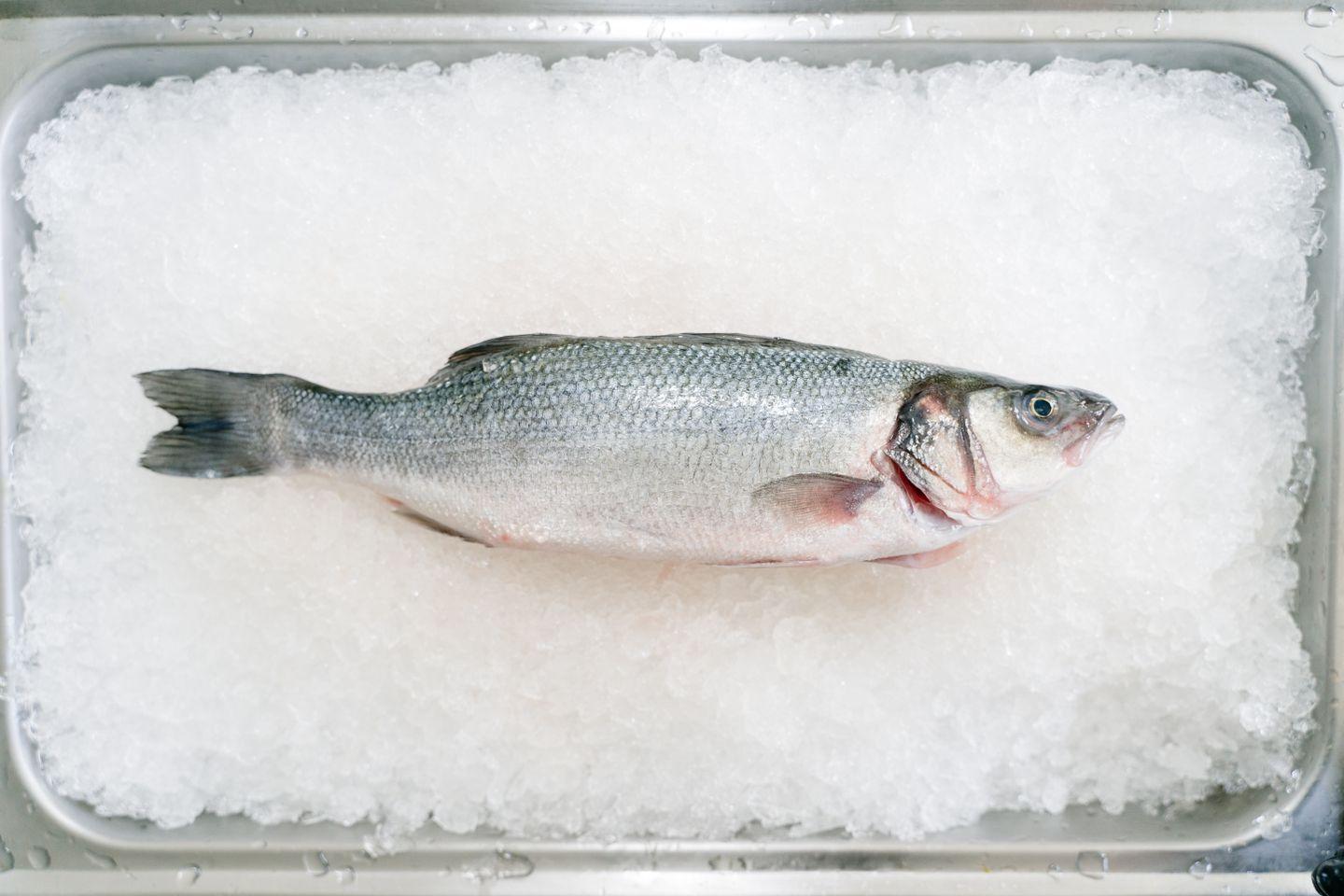
Sardine oil is a marine oil obtained from sardines or related small pelagic fish. It can supply EPA and DHA, with fatty-acid levels influenced by species, geography, season and processing. A…
Sardine oil is a marine oil obtained from sardines or related small pelagic fish. It can supply EPA and DHA, with fatty-acid levels influenced by species, geography, season and processing. A product-specific analysis is essential.
Sardine oil is different from sardine meal, which contains protein, minerals and other whole-fish components. Oil quality depends on rapid handling of raw material, refining, antioxidant protection and storage. Oxidised oil may develop undesirable odours and lose nutritional quality.
For dogs and cats, look for the actual EPA and DHA amounts rather than relying on a generic omega-3 claim. Manufacturers should monitor oxidation and contaminants and provide clear storage guidance. Sardine oil can contribute dietary fat, but it is not a complete source of all essential nutrients and is not a substitute for a balanced diet.
References
NRC. Nutrient Requirements of Dogs and Cats. National Academies Press; 2006. • FAO. The Production of Fish Meal and Oil. FAO Fisheries Technical Paper 142; 1986.
Krill oil is extracted from small marine crustaceans called krill. It contains the omega-3 fatty acids EPA and DHA, often alongside phospholipids and the antioxidant pigment astaxanthin. It…
2 min read
Ingredient Decoded / Fats And Essential Fatty Acids
Perilla oil is extracted from seeds of Perilla frutescens and is often rich in alpha-linolenic acid (ALA). ALA contributes to essential fatty-acid intake, but conversion to EPA and DHA is…
1 min read
Ingredient Decoded / Fats And Essential Fatty Acids
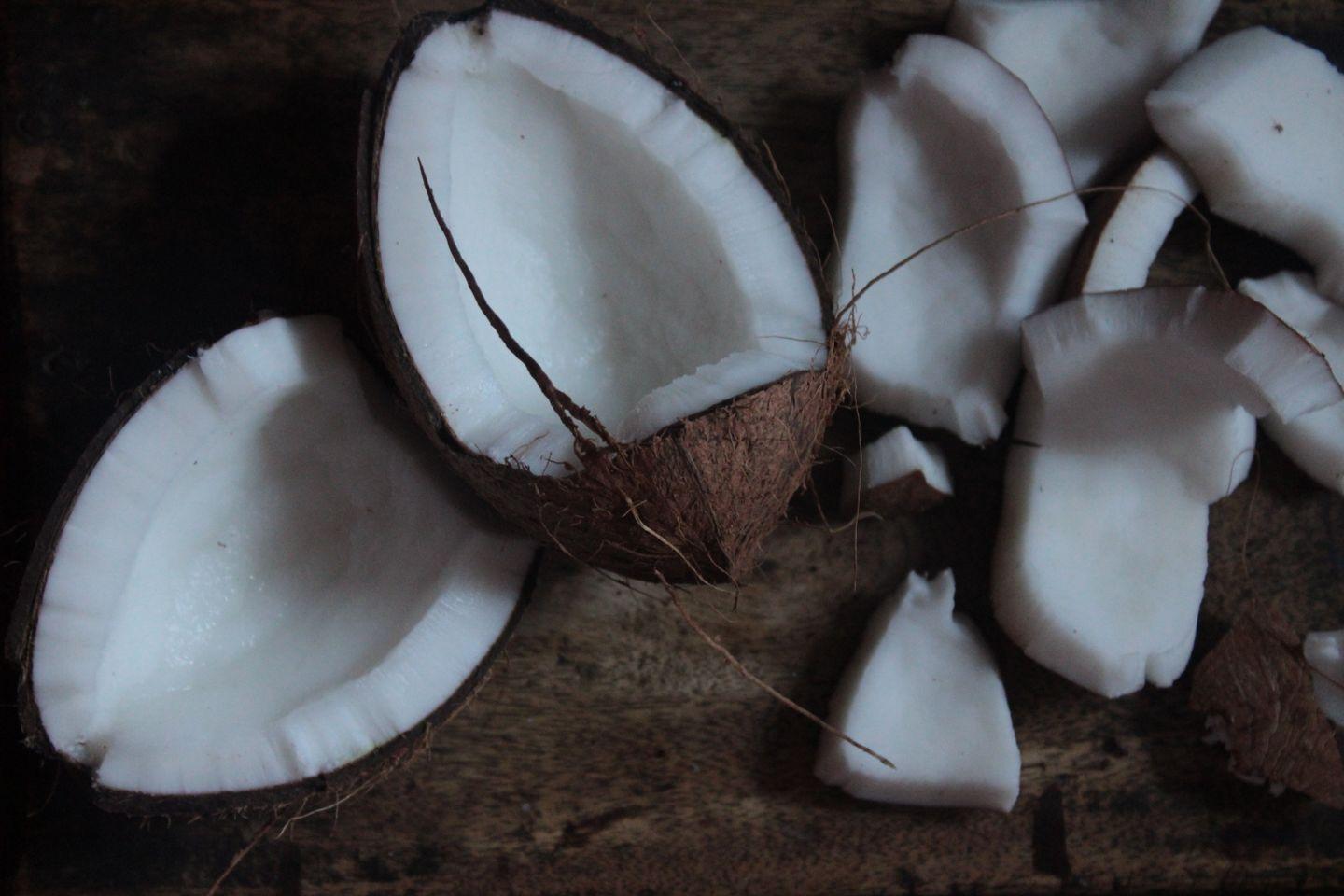
Coconut oil is extracted from the flesh of coconuts. It is rich in saturated fatty acids, particularly lauric acid. It is sometimes added to pet foods or promoted as a supplement for skin,…