Ingredient Decoded / Fats And Essential Fatty Acids
Tuna Oil
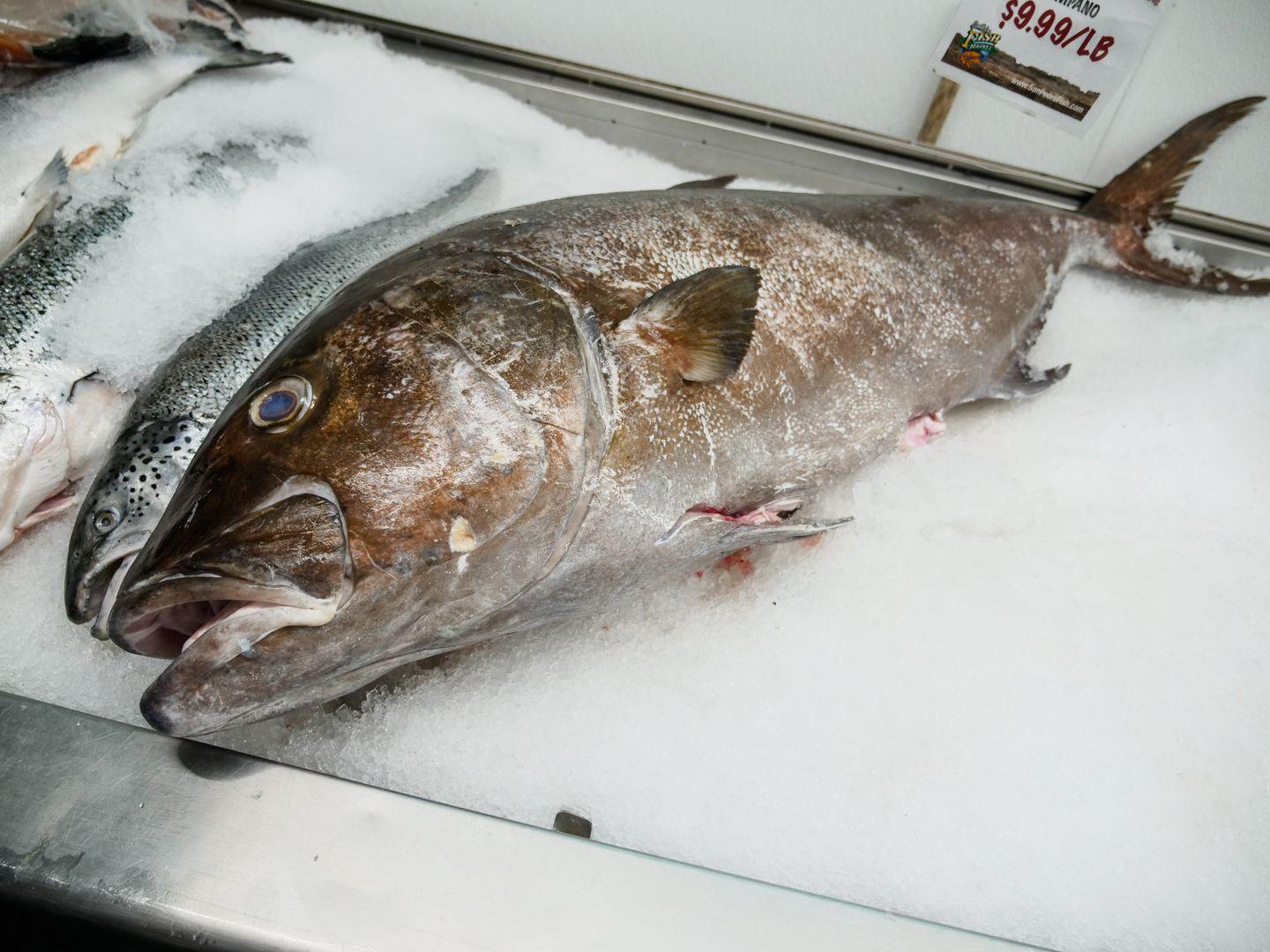
Tuna oil is recovered from tuna tissues or processing by-products, including material generated during human-food processing. Its composition depends on tuna species, tissue source, season…
Tuna oil is recovered from tuna tissues or processing by-products, including material generated during human-food processing. Its composition depends on tuna species, tissue source, season and extraction method. It may contain EPA and DHA, but the levels should be confirmed analytically.
Tuna oil should not be confused with tuna meal or tuna protein. It is a concentrated fat source and does not provide the same protein or mineral contribution as whole-fish ingredients. As with other marine oils, oxidation is a central quality concern.
For dogs and cats, a product specification should report EPA and DHA separately and include oxidation and contaminant testing. The use of tuna by-products can improve resource utilisation, but traceability and contaminant controls remain important. Do not assume all tuna-derived oils have identical composition or that the ingredient alone provides a therapeutic effect.
References
NRC. Nutrient Requirements of Dogs and Cats. National Academies Press; 2006. • FAO. The Production of Fish Meal and Oil. FAO Fisheries Technical Paper 142; 1986.
Krill oil is extracted from small marine crustaceans called krill. It contains the omega-3 fatty acids EPA and DHA, often alongside phospholipids and the antioxidant pigment astaxanthin. It…
2 min read
Ingredient Decoded / Fats And Essential Fatty Acids
Perilla oil is extracted from seeds of Perilla frutescens and is often rich in alpha-linolenic acid (ALA). ALA contributes to essential fatty-acid intake, but conversion to EPA and DHA is…
1 min read
Ingredient Decoded / Fats And Essential Fatty Acids
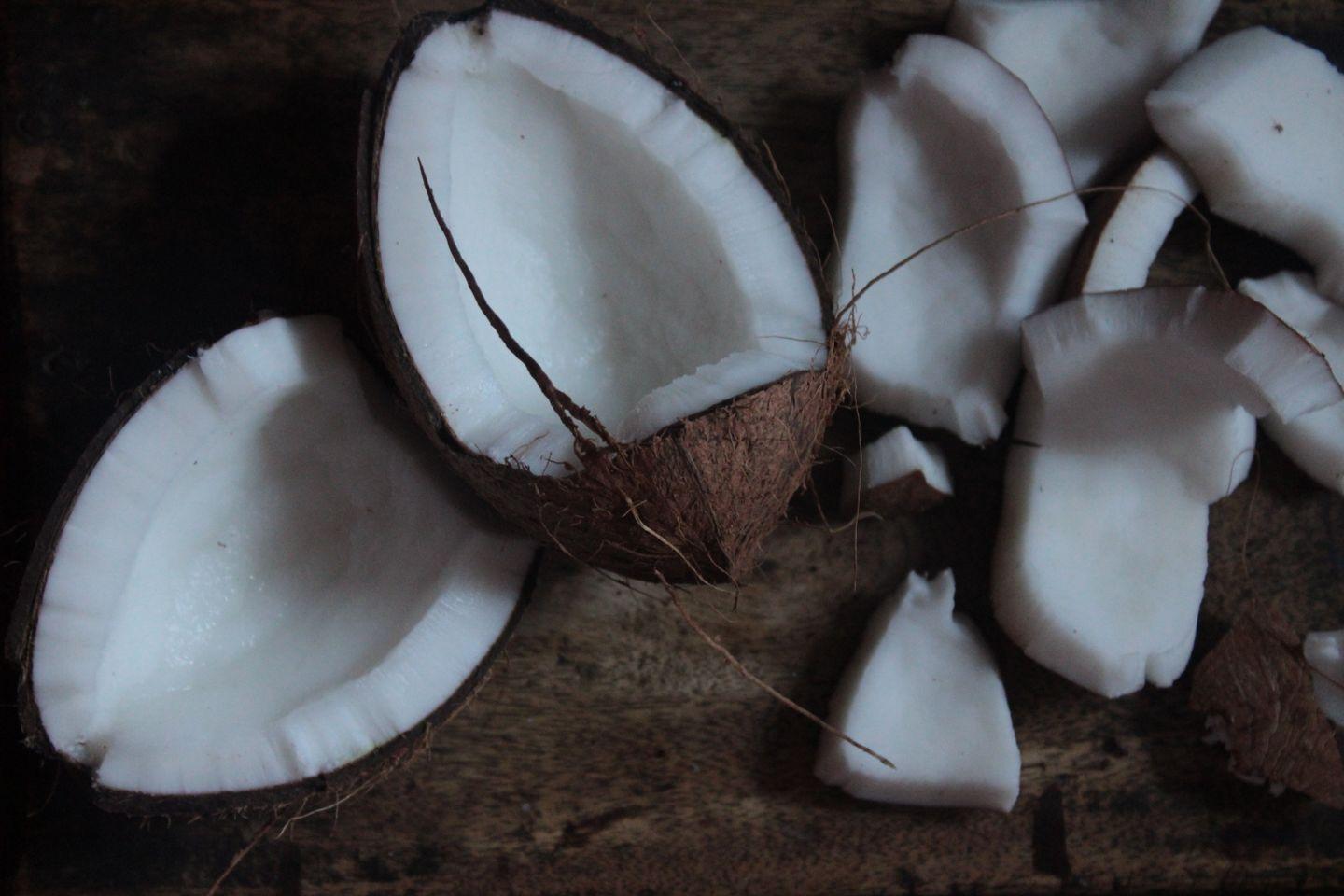
Coconut oil is extracted from the flesh of coconuts. It is rich in saturated fatty acids, particularly lauric acid. It is sometimes added to pet foods or promoted as a supplement for skin,…