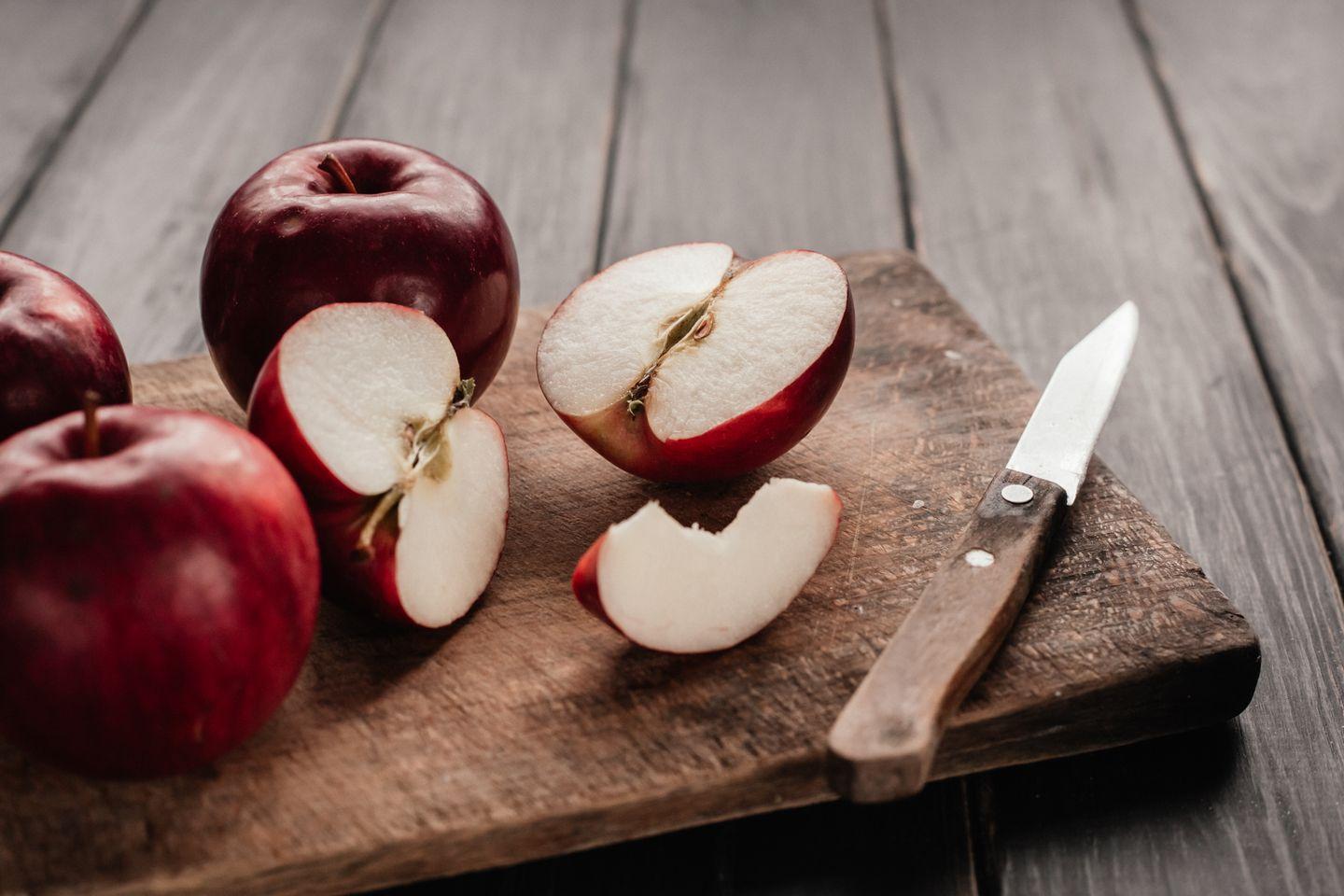
Small pieces of washed apple flesh may be offered to many companion birds as an occasional fruit. Remove the core and all seeds before serving. Apple seeds contain cyanogenic compounds;…
Small pieces of washed apple flesh may be offered to many companion birds as an occasional fruit. Remove the core and all seeds before serving. Apple seeds contain cyanogenic compounds; there is no reason to feed them. Apple flesh is not a staple and should not displace a balanced diet. Avoid pie, sweetened purée and other preparations containing sugar, butter or spices. Remove leftovers promptly. If a bird is seen to have eaten multiple chewed seeds, contact an avian veterinarian for case-specific advice rather than attempting home treatment.
References
Merck Veterinary Manual, “Management of Pet Birds” (online veterinary reference); Merck Veterinary Manual, “Nutrition in Psittacines” (last updated July 2026); Merck Veterinary Manual, “Nutritional Diseases of Pet Birds” (last updated June 2026); Association of Avian Veterinarians, “Basic Care for Companion Birds” (client handout).
Evidence note: These sources provide general avian nutrition and husbandry guidance. They do not establish ingredient-specific clinical benefits or universal feeding quantities for this food across all companion-bird species.
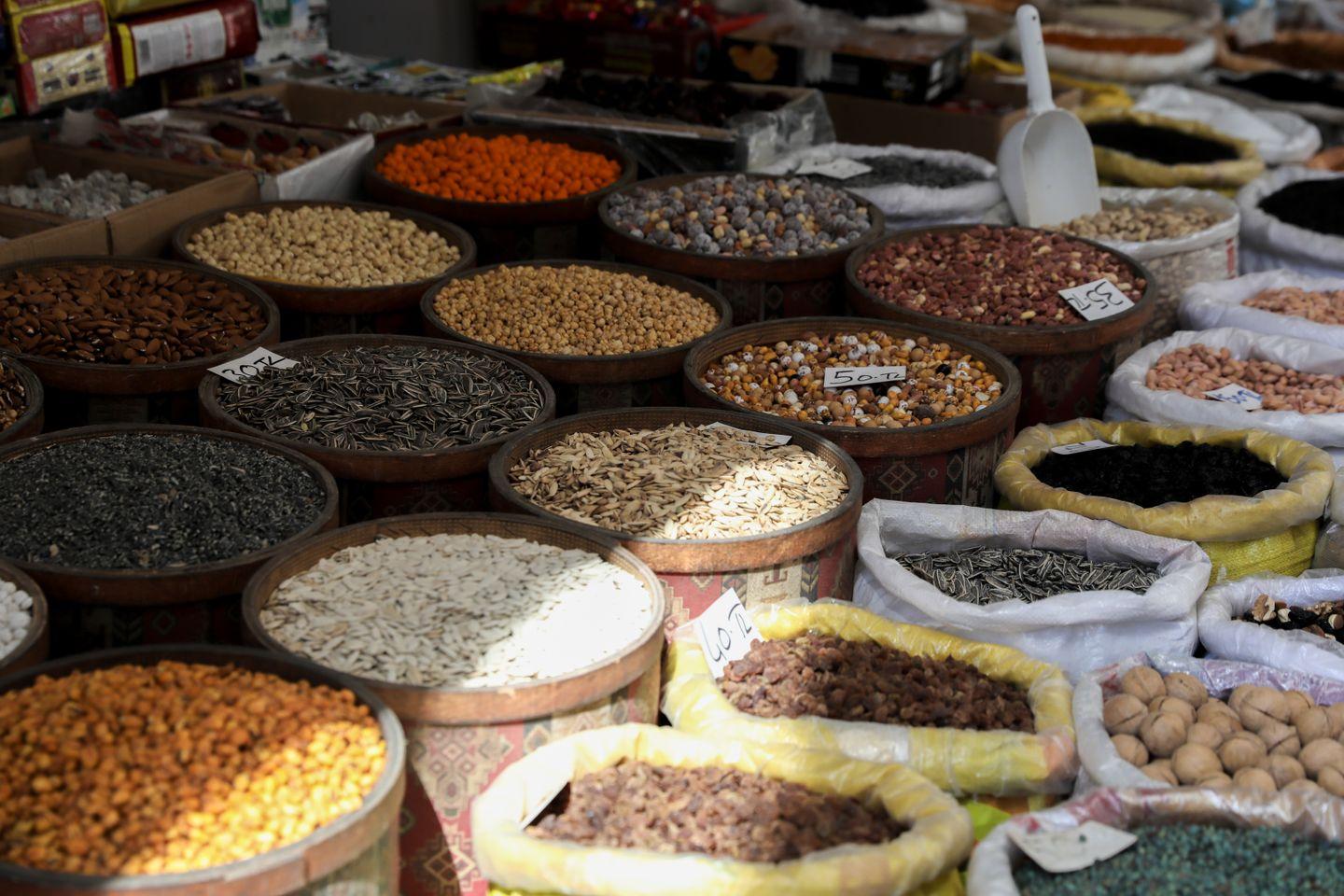
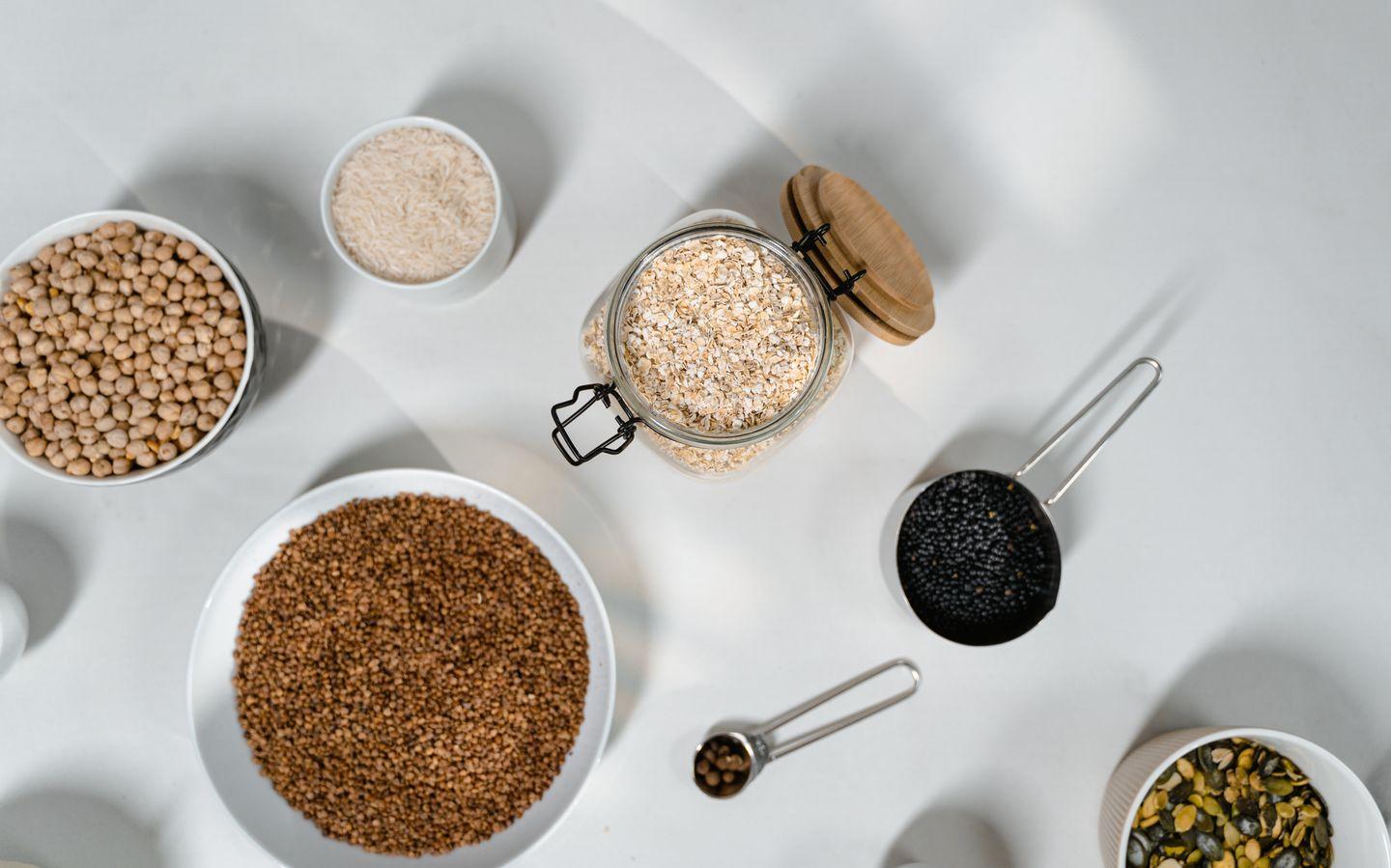
Pumpkin seeds contain fat, protein and minerals and may be used sparingly as a treat for some companion birds. Their energy density means that frequent or generous feeding can unbalance the…
Sunflower seeds are highly palatable and common in Indian bird seed mixes. They are energy-dense and relatively high in fat. Birds that select sunflower seeds and reject other ingredients…
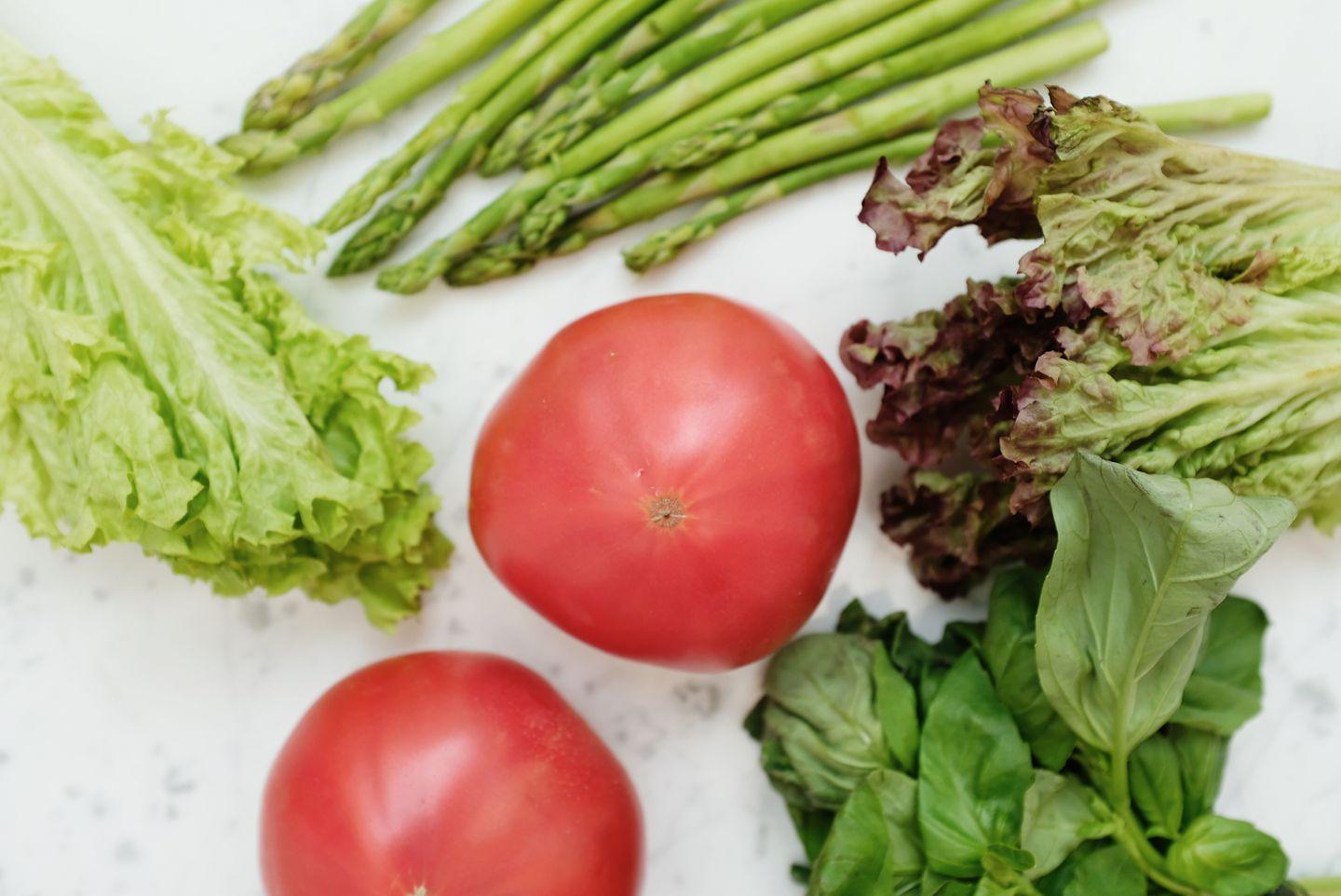
Romaine lettuce can be included in the fresh vegetable variety offered to many companion birds. It contains water and some micronutrients, but should not be the only leafy green or displace…