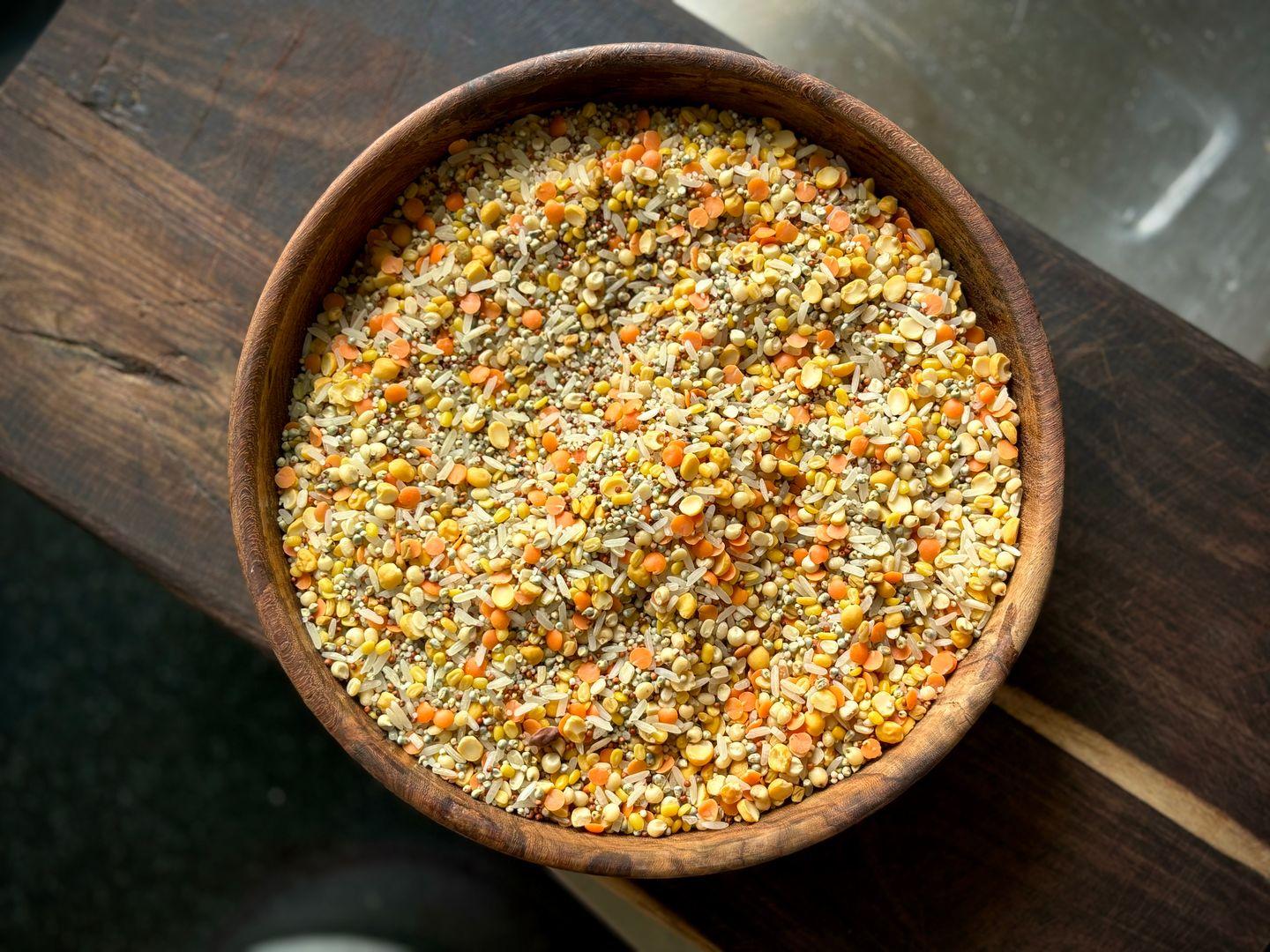
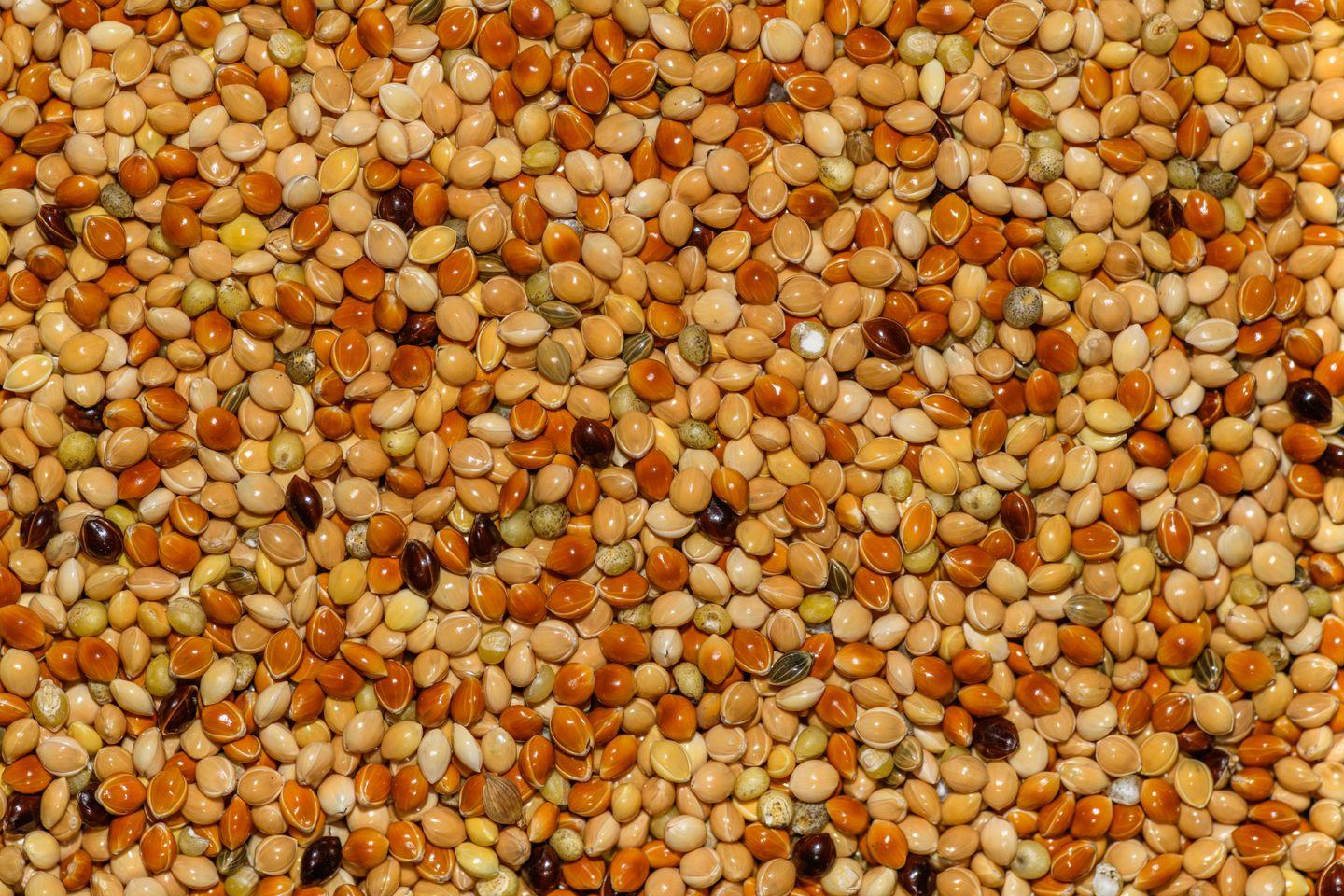
Barnyard millet (sanwa) may be included in variety for some granivorous companion birds, but it is mainly an energy-providing cereal rather than a complete diet. Use clean, unseasoned grain.…
Barnyard millet (sanwa) may be included in variety for some granivorous companion birds, but it is mainly an energy-providing cereal rather than a complete diet. Use clean, unseasoned grain. If cooked, cool it before offering and remove uneaten portions within an hour. A varied menu is not necessarily balanced: birds can select preferred seeds and leave other components untouched. Monitor actual intake and body weight when changing food. For species whose nutritional needs are not well established, a qualified avian veterinarian should guide the overall ration.
References
Merck Veterinary Manual, “Management of Pet Birds” (online veterinary reference); Merck Veterinary Manual, “Nutrition in Psittacines” (last updated July 2026); Merck Veterinary Manual, “Nutritional Diseases of Pet Birds” (last updated June 2026); Association of Avian Veterinarians, “Basic Care for Companion Birds” (client handout).
Evidence note: These sources provide general avian nutrition and husbandry guidance. They do not establish ingredient-specific clinical benefits or universal feeding quantities for this food across all companion-bird species.
Little millet (samai) is sold in many Indian grocery stores. It may be used as one component of a suitable grain mix for some seed-eating birds, but it is not a complete feed and should not…
Ragi is widely eaten by people in India and may be offered in a small amount to some companion birds if they accept it. It contains minerals, including calcium, but the amount present in the…
Foxtail millet (kangni) is available in India and may be included in some species-appropriate grain mixes. It is primarily an energy source and is not nutritionally complete. Do not use it…