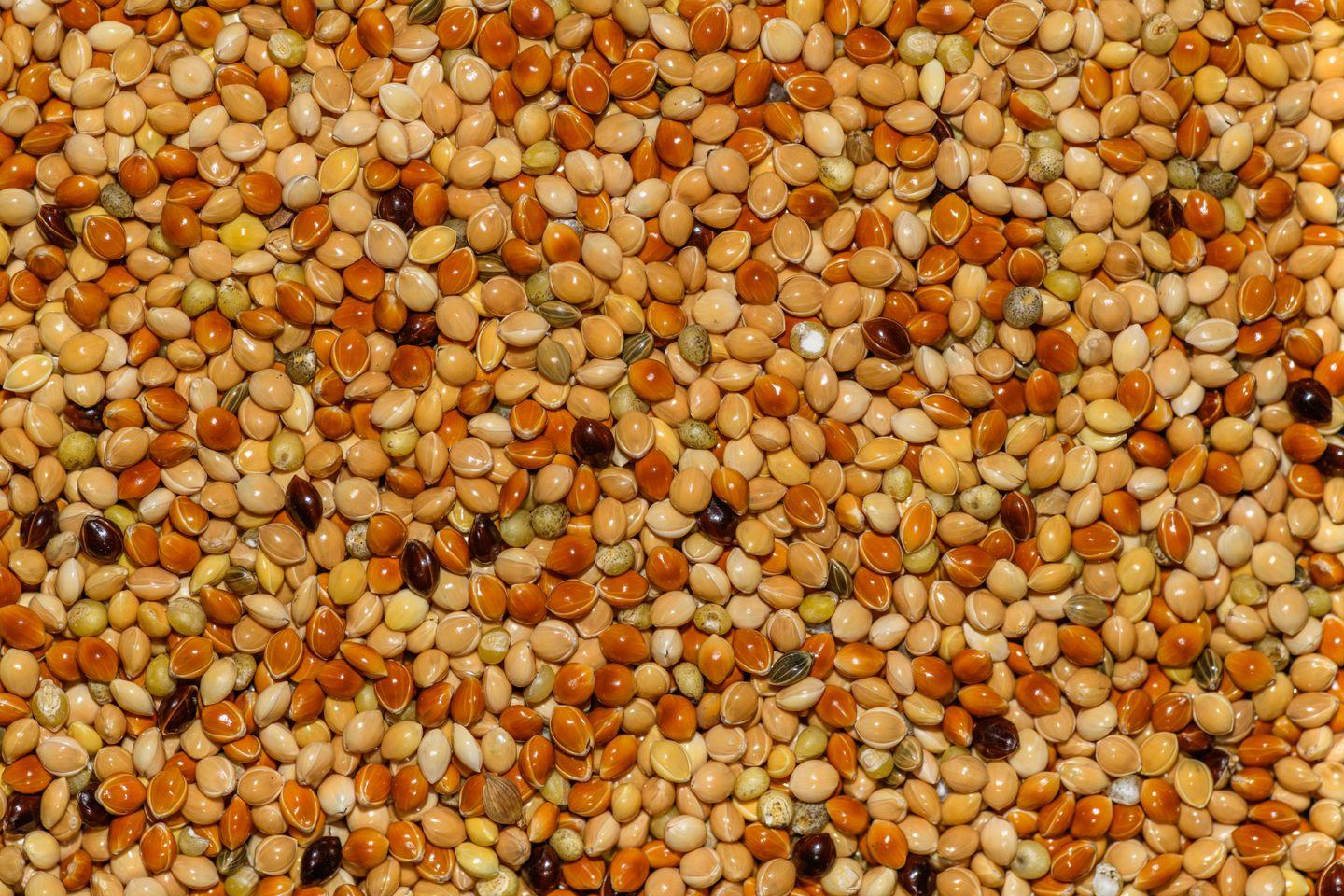
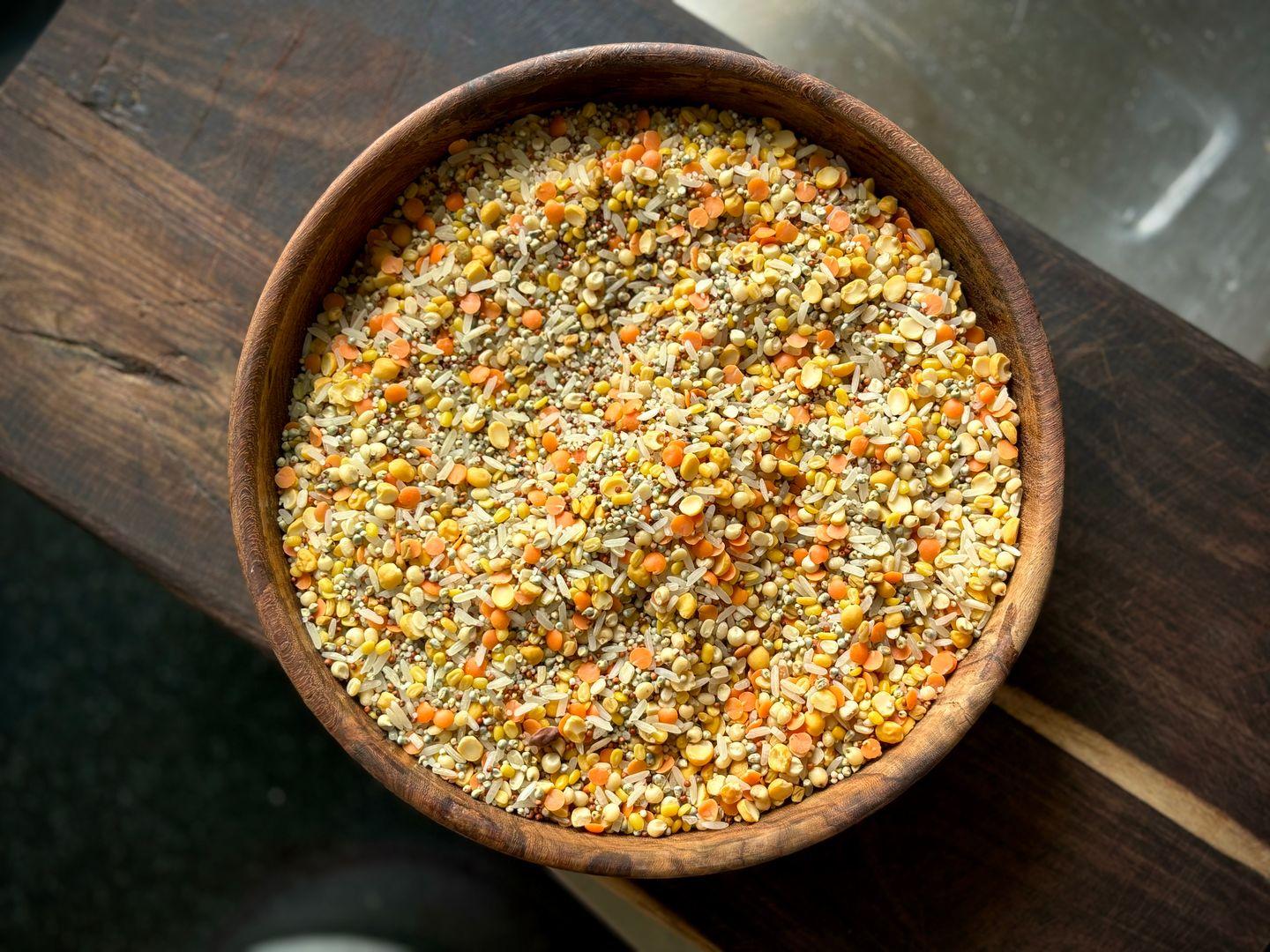
Little millet (samai) is sold in many Indian grocery stores. It may be used as one component of a suitable grain mix for some seed-eating birds, but it is not a complete feed and should not…
Little millet (samai) is sold in many Indian grocery stores. It may be used as one component of a suitable grain mix for some seed-eating birds, but it is not a complete feed and should not become the sole basis of a parrot’s diet. Offer plain, clean grain without salt, oil or seasoning. Cooked millet must be cooled, served fresh and removed within an hour. Inspect dry grain for insects, dampness and mould, especially during the monsoon. Local availability does not establish nutritional suitability for every bird species.
References
Merck Veterinary Manual, “Management of Pet Birds” (online veterinary reference); Merck Veterinary Manual, “Nutrition in Psittacines” (last updated July 2026); Merck Veterinary Manual, “Nutritional Diseases of Pet Birds” (last updated June 2026); Association of Avian Veterinarians, “Basic Care for Companion Birds” (client handout).
Evidence note: These sources provide general avian nutrition and husbandry guidance. They do not establish ingredient-specific clinical benefits or universal feeding quantities for this food across all companion-bird species.
Barnyard millet (sanwa) may be included in variety for some granivorous companion birds, but it is mainly an energy-providing cereal rather than a complete diet. Use clean, unseasoned grain.…
Ragi is widely eaten by people in India and may be offered in a small amount to some companion birds if they accept it. It contains minerals, including calcium, but the amount present in the…
Foxtail millet (kangni) is available in India and may be included in some species-appropriate grain mixes. It is primarily an energy source and is not nutritionally complete. Do not use it…