Bacterial single-cell protein is biomass produced by cultivating selected bacteria, sometimes using methane, methanol or other carbon sources. It can be a concentrated protein source, but…
Bacterial single-cell protein is biomass produced by cultivating selected bacteria, sometimes using methane, methanol or other carbon sources. It can be a concentrated protein source, but nutritional value and safety depend on the strain, substrate, fermentation conditions and downstream processing. Cell-wall components and nucleic-acid levels may require control. Safety assessment must consider strain identity, antimicrobial resistance, toxins, contaminants and manufacturing residues. Evidence from aquaculture or livestock is not proof of suitability for dogs and cats. The finished diet needs species-specific digestibility and nutrient-adequacy evaluation.
References: Reviews of microbial single-cell protein for food and feed; NRC, Nutrient Requirements of Dogs and Cats (2006); FEDIAF, Nutritional Guidelines (2025).
Hydrolysed animal protein is produced by breaking animal proteins into smaller peptides and amino acids, usually through enzymatic or chemical processing. In pet food, it may be used to…
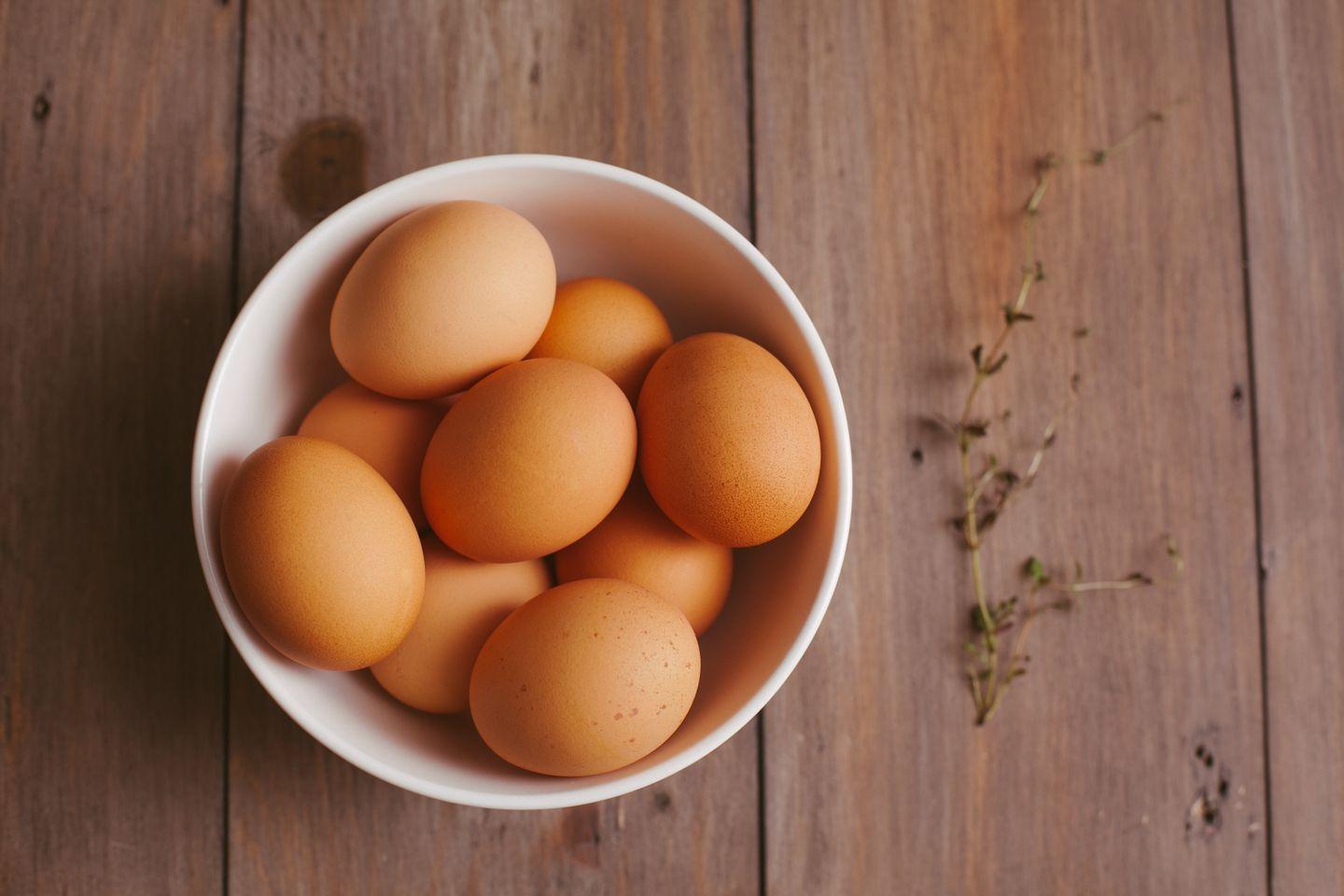
Egg protein is valued in pet nutrition because it provides highly digestible protein and a favourable balance of essential amino acids. Eggs are used in some complete pet foods, treats and…
Methylotroph protein is produced by microorganisms that use one-carbon compounds such as methanol as a carbon and energy source. Commercial microbial biomass may provide concentrated protein…