Duckweed is a group of small floating aquatic plants, including Lemna species, that can accumulate protein under suitable growing conditions. Protein concentration and amino-acid profile…
Duckweed is a group of small floating aquatic plants, including Lemna species, that can accumulate protein under suitable growing conditions. Protein concentration and amino-acid profile vary with species, nutrient supply and cultivation system. Because duckweed can accumulate minerals and contaminants from its growing water, source control and testing are essential. Processing influences digestibility and the removal of unwanted compounds. Evidence in aquaculture and livestock should not be treated as proof of nutritional suitability for dogs and cats. A finished pet food requires digestibility and complete-nutrition validation.
References: Reviews of Lemnaceae/duckweed as food and feed; NRC, Nutrient Requirements of Dogs and Cats (2006); FEDIAF, Nutritional Guidelines (2025).
Hydrolysed animal protein is produced by breaking animal proteins into smaller peptides and amino acids, usually through enzymatic or chemical processing. In pet food, it may be used to…
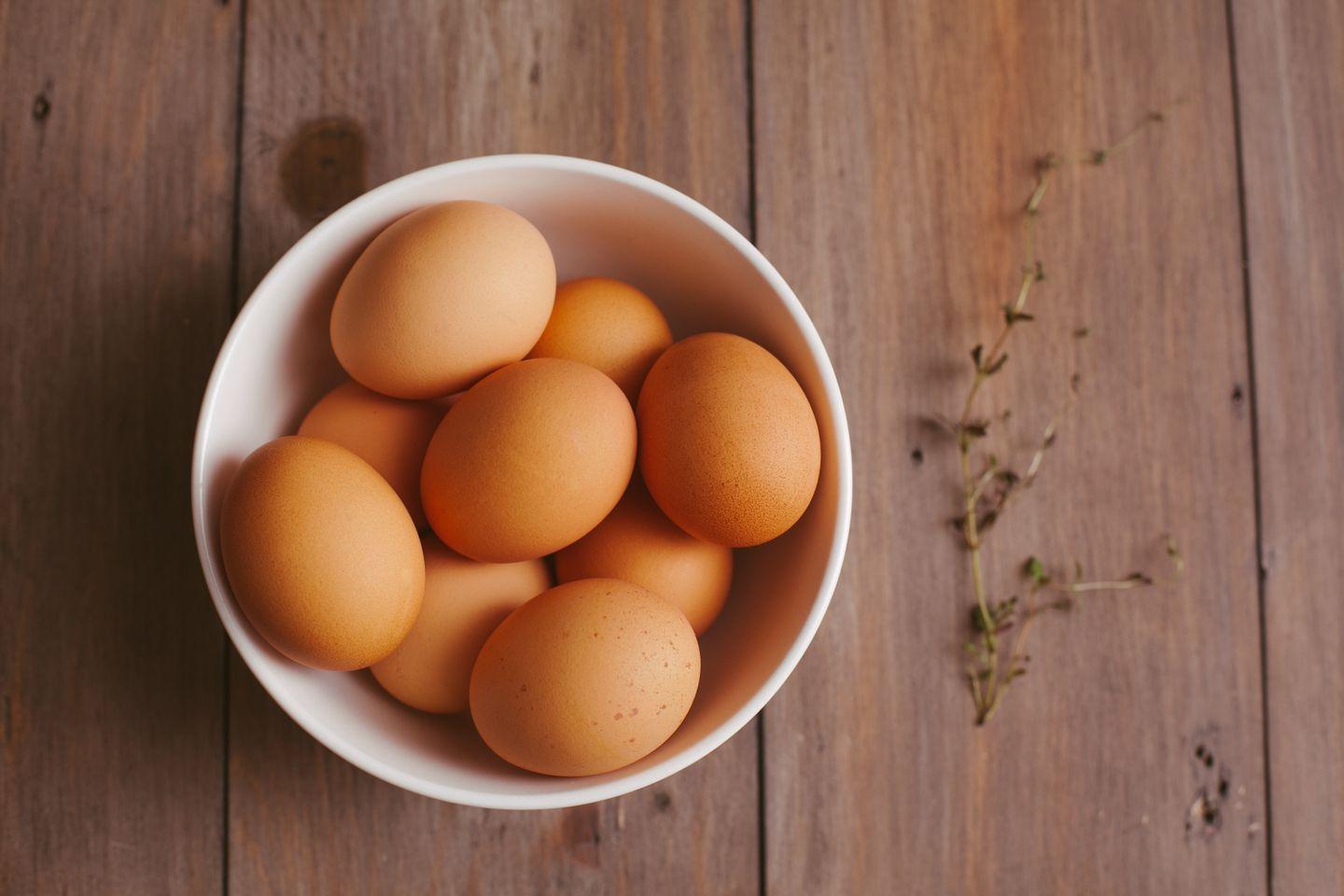
Egg protein is valued in pet nutrition because it provides highly digestible protein and a favourable balance of essential amino acids. Eggs are used in some complete pet foods, treats and…
Methylotroph protein is produced by microorganisms that use one-carbon compounds such as methanol as a carbon and energy source. Commercial microbial biomass may provide concentrated protein…