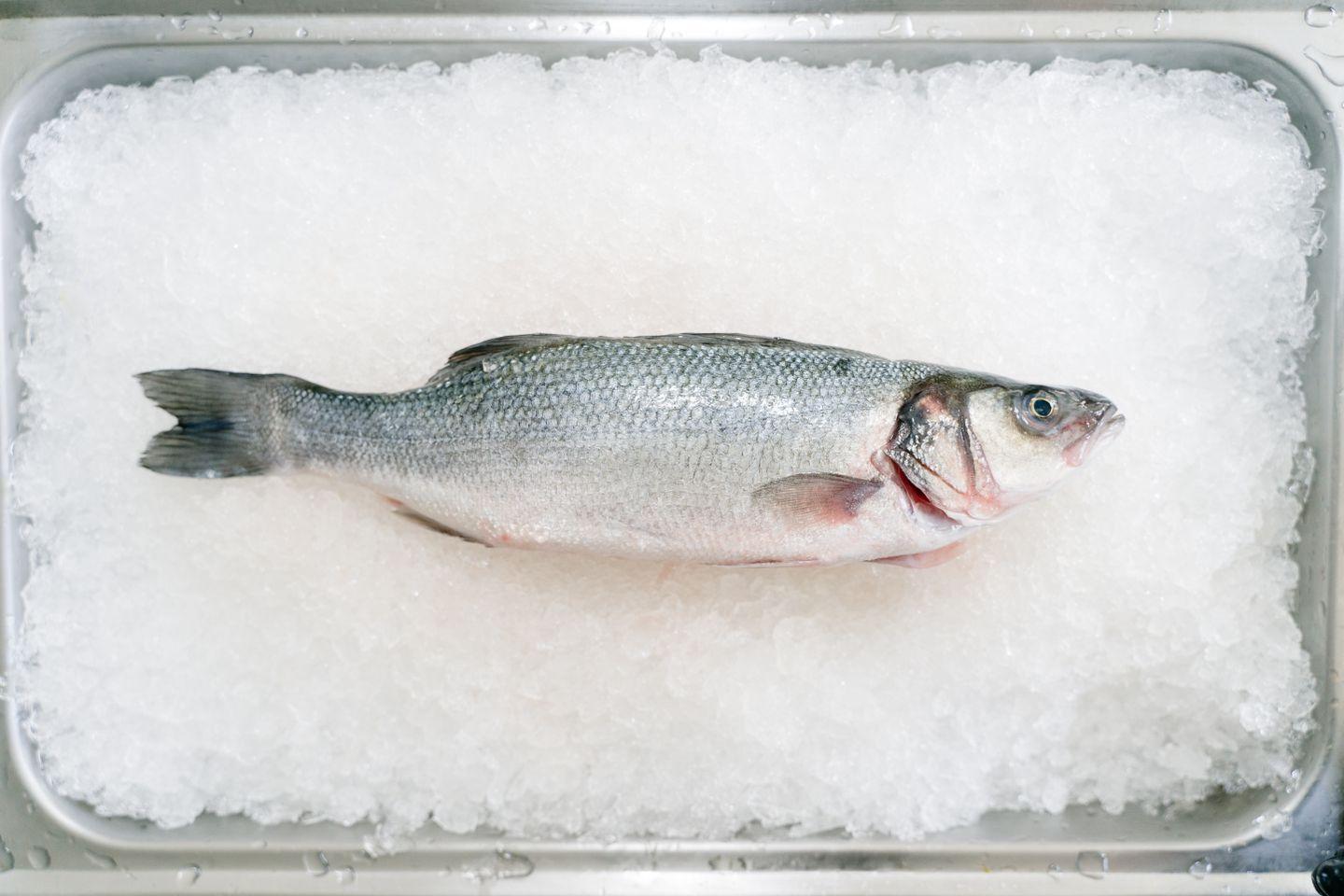
Fish protein concentrate is a processed fish-derived ingredient in which water and, depending on the process, some fat and other components are removed to concentrate protein. The term can…
Fish protein concentrate is a processed fish-derived ingredient in which water and, depending on the process, some fat and other components are removed to concentrate protein. The term can cover products made using different extraction, washing and drying technologies; it does not specify one universal process.
It should not be confused with fish meal, fish protein hydrolysate or fish oil. Fish meal is generally a rendered whole-fish or fish-residue product, while hydrolysates contain proteins broken into smaller peptides. The nutrient profile of a concentrate depends on fish species and processing.
For pet-food use, evaluate amino-acid availability, digestibility, residual fat and oxidation, salt, histamine, heavy metals and other contaminants. A concentrated protein ingredient is not automatically a complete diet or a hypoallergenic option. The source species should be declared where required and traceability maintained.
References
FAO. The Production of Fish Meal and Oil. FAO Fisheries Technical Paper 142; 1986. • NRC. Nutrient Requirements of Dogs and Cats. National Academies Press; 2006.
Milk protein concentrate is produced by concentrating milk proteins, commonly through membrane filtration. It generally contains both casein and whey proteins, although the ratio and the…
Rice protein concentrate is produced by separating much of the starch from rice, leaving a protein-rich fraction. Its amino-acid profile differs from animal proteins, so it should be…
Fungal protein concentrate is produced by separating or concentrating protein from fungal biomass. It differs from whole mycoprotein, which may retain cell-wall fibre and other cellular…