Fungal protein concentrate is produced by separating or concentrating protein from fungal biomass. It differs from whole mycoprotein, which may retain cell-wall fibre and other cellular…
Fungal protein concentrate is produced by separating or concentrating protein from fungal biomass. It differs from whole mycoprotein, which may retain cell-wall fibre and other cellular components. Protein concentration alone does not establish digestibility, amino-acid adequacy or suitability for cats. Processing may alter nucleic-acid content, cell-wall structure and palatability. The ingredient should be assessed as a defined material with analytical specifications, not marketed as a uniform category. Long-term controlled feeding evidence in dogs and cats remains limited for many commercial fungal protein ingredients.
References: Reviews of fungal biomass and single-cell protein in animal nutrition; NRC, Nutrient Requirements of Dogs and Cats (2006).
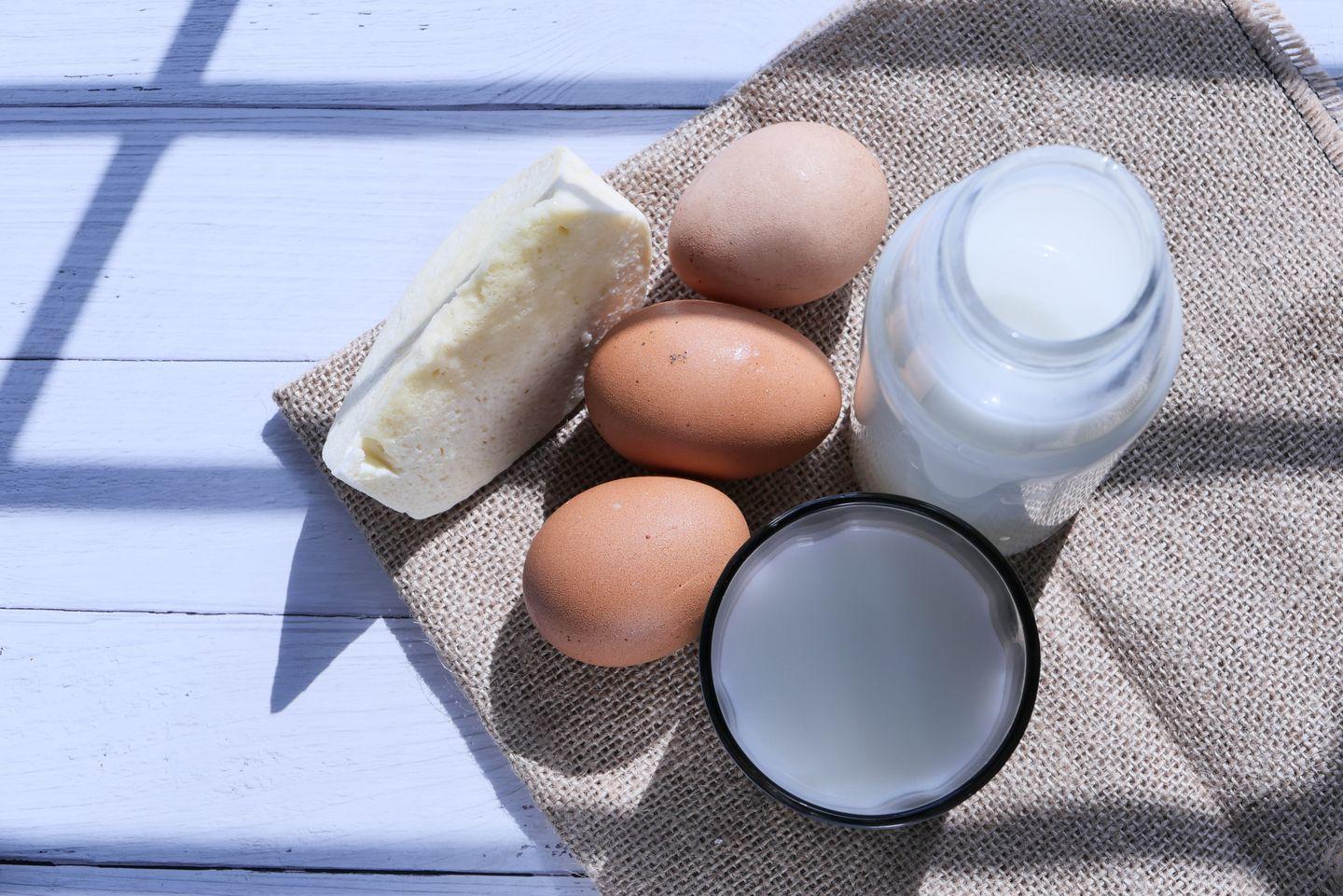
Milk protein concentrate is produced by concentrating milk proteins, commonly through membrane filtration. It generally contains both casein and whey proteins, although the ratio and the…
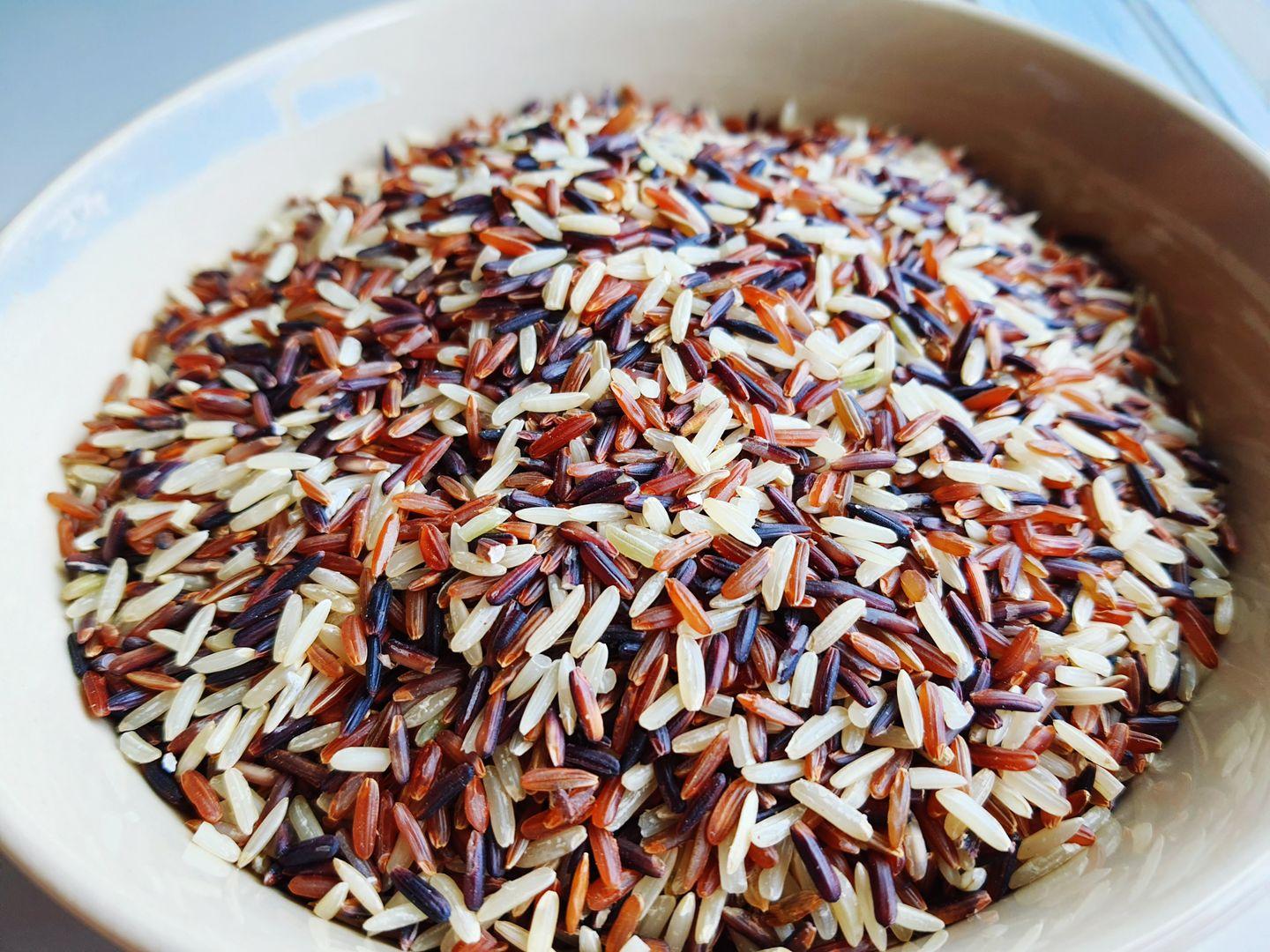
Rice protein concentrate is produced by separating much of the starch from rice, leaving a protein-rich fraction. Its amino-acid profile differs from animal proteins, so it should be…
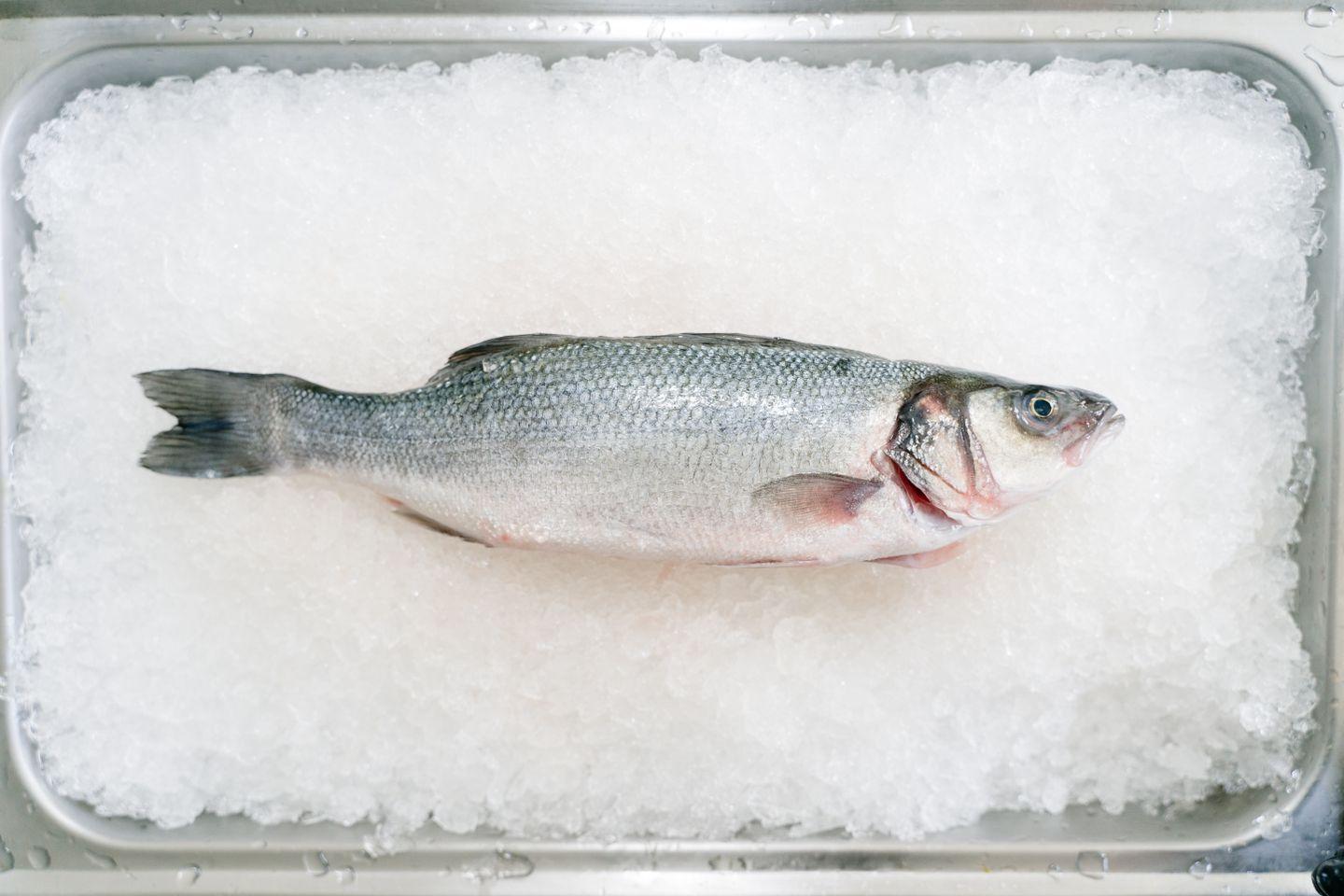
Fish protein concentrate is a processed fish-derived ingredient in which water and, depending on the process, some fat and other components are removed to concentrate protein. The term can…