Methionine: Understanding Its Role in Protein Synthesis and Metabolism
Some nutrients are required in relatively large quantities, while others are needed in smaller amounts but perform essential biological functions. Methionine belongs to a particularly…
Some nutrients are required in relatively large quantities, while others are needed in smaller amounts but perform essential biological functions. Methionine belongs to a particularly important group: essential amino acids.
It is required by animals that cannot produce sufficient quantities internally and must therefore obtain it through their diets.
What is methionine?
Methionine is a sulphur-containing essential amino acid involved in protein synthesis, cellular metabolism, methylation reactions, production of other sulphur-containing compounds and normal tissue development. It also contributes to the formation of cysteine, another sulphur-containing amino acid.
Why is methionine important?
Methionine supports the production and maintenance of proteins throughout the body. It is particularly relevant to the formation of keratin, the structural protein found in feathers, fur, skin and claws. Birds undergoing moulting or feather development require appropriate dietary protein and amino acid balance.
Which animals need methionine?
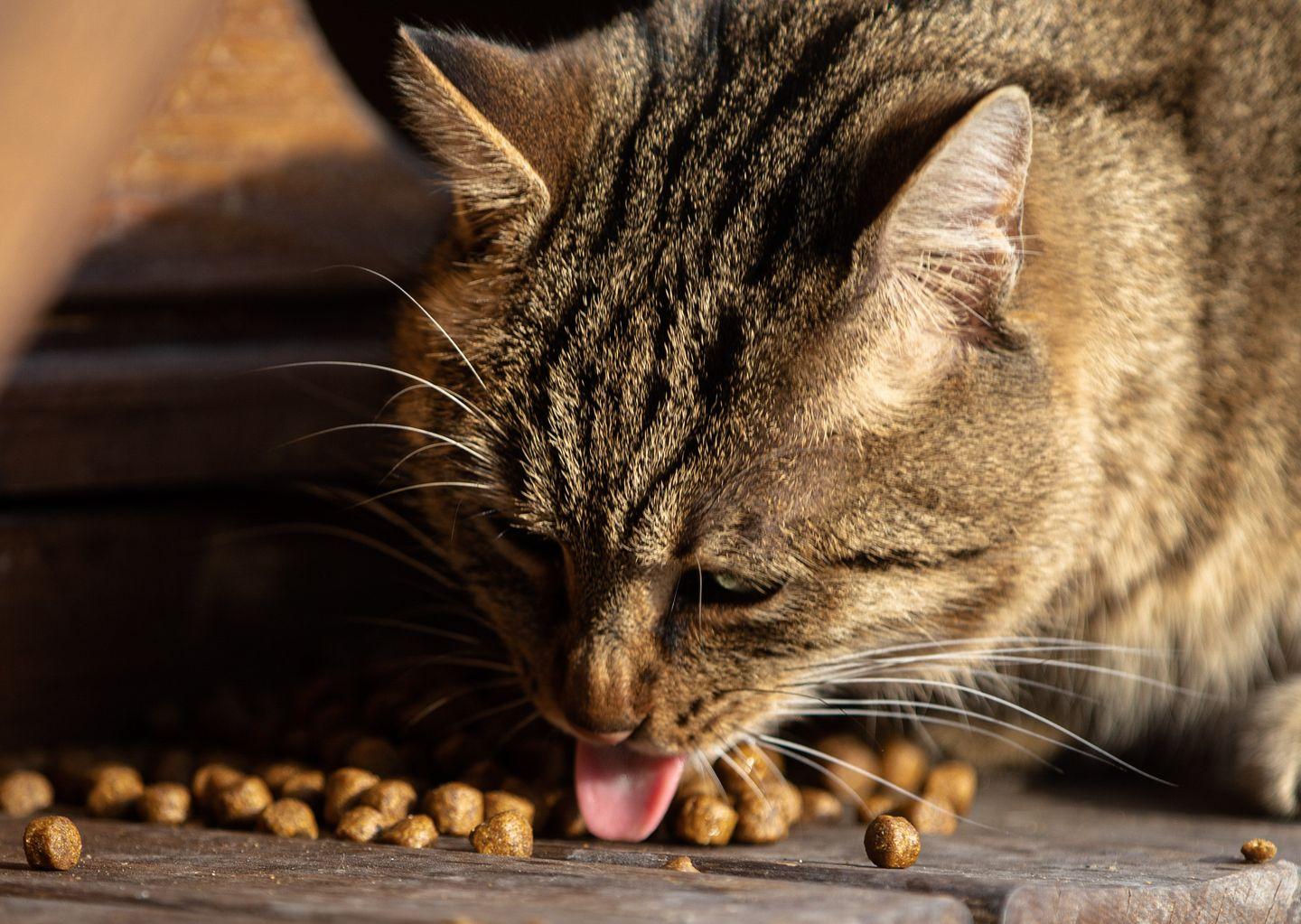
Dogs and cats require methionine as an essential amino acid. Birds also require it, and deficiencies can occur in poorly formulated seed-based diets. Fish need appropriate dietary methionine for growth and protein synthesis. Rabbits, guinea pigs, hamsters and reptiles also require adequate essential amino acid supply, although specific requirements vary by species.
Where does methionine come from?
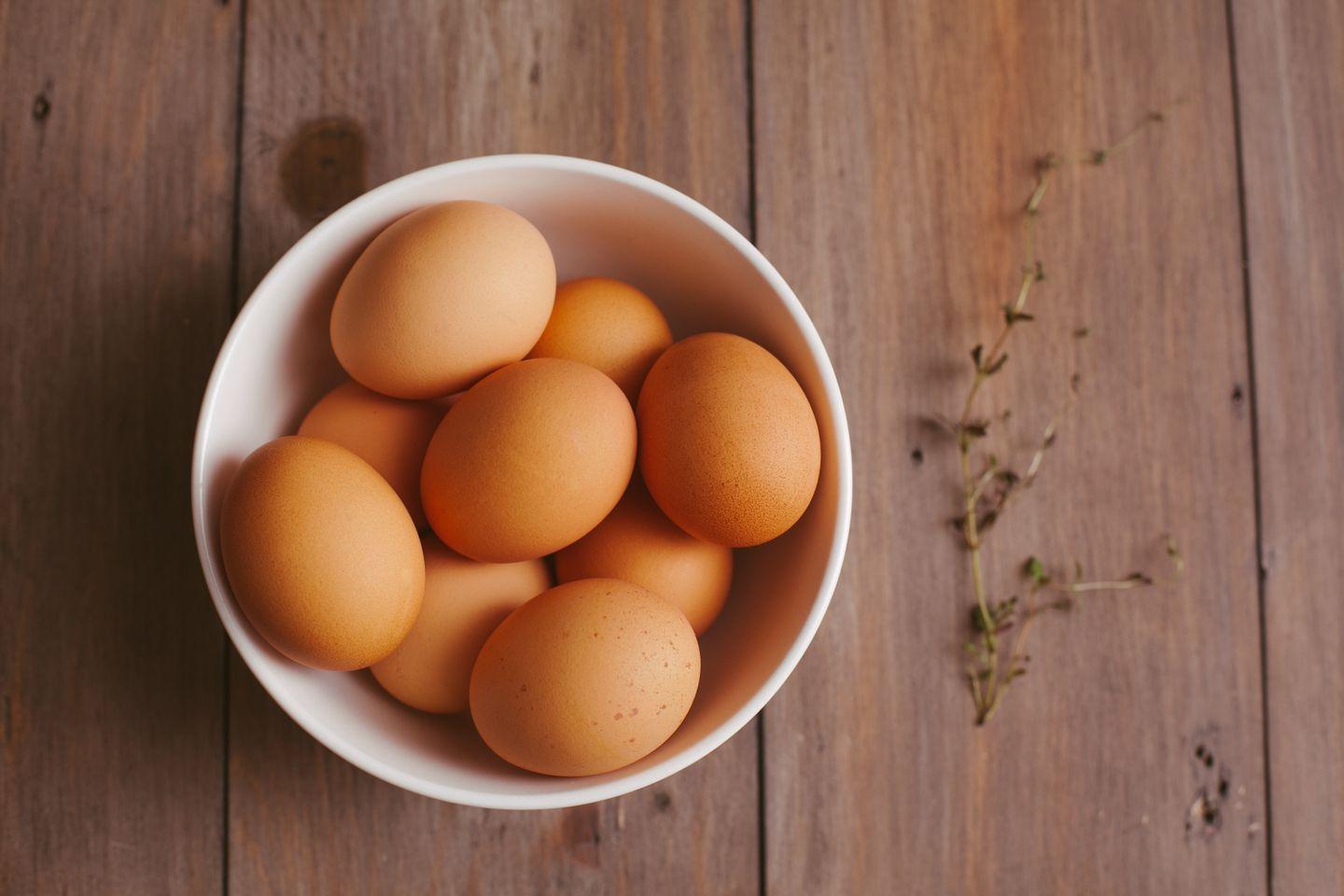
Common sources include fish meal, meat proteins, egg protein, soybean meal, certain other plant proteins and synthetic DL-methionine used in feed formulation.
Can there be too much methionine?
Excessive supplementation can disturb amino acid balance and may produce adverse metabolic effects. The correct quantity depends on the complete dietary protein profile and the animal's nutritional needs.
The takeaway
Methionine is more than a building block for protein. It participates in several metabolic processes and is particularly important in properly balanced diets for growing and developing animals.
Hydrolysed animal protein is produced by breaking animal proteins into smaller peptides and amino acids, usually through enzymatic or chemical processing. In pet food, it may be used to…
Egg protein is valued in pet nutrition because it provides highly digestible protein and a favourable balance of essential amino acids. Eggs are used in some complete pet foods, treats and…
Methylotroph protein is produced by microorganisms that use one-carbon compounds such as methanol as a carbon and energy source. Commercial microbial biomass may provide concentrated protein…