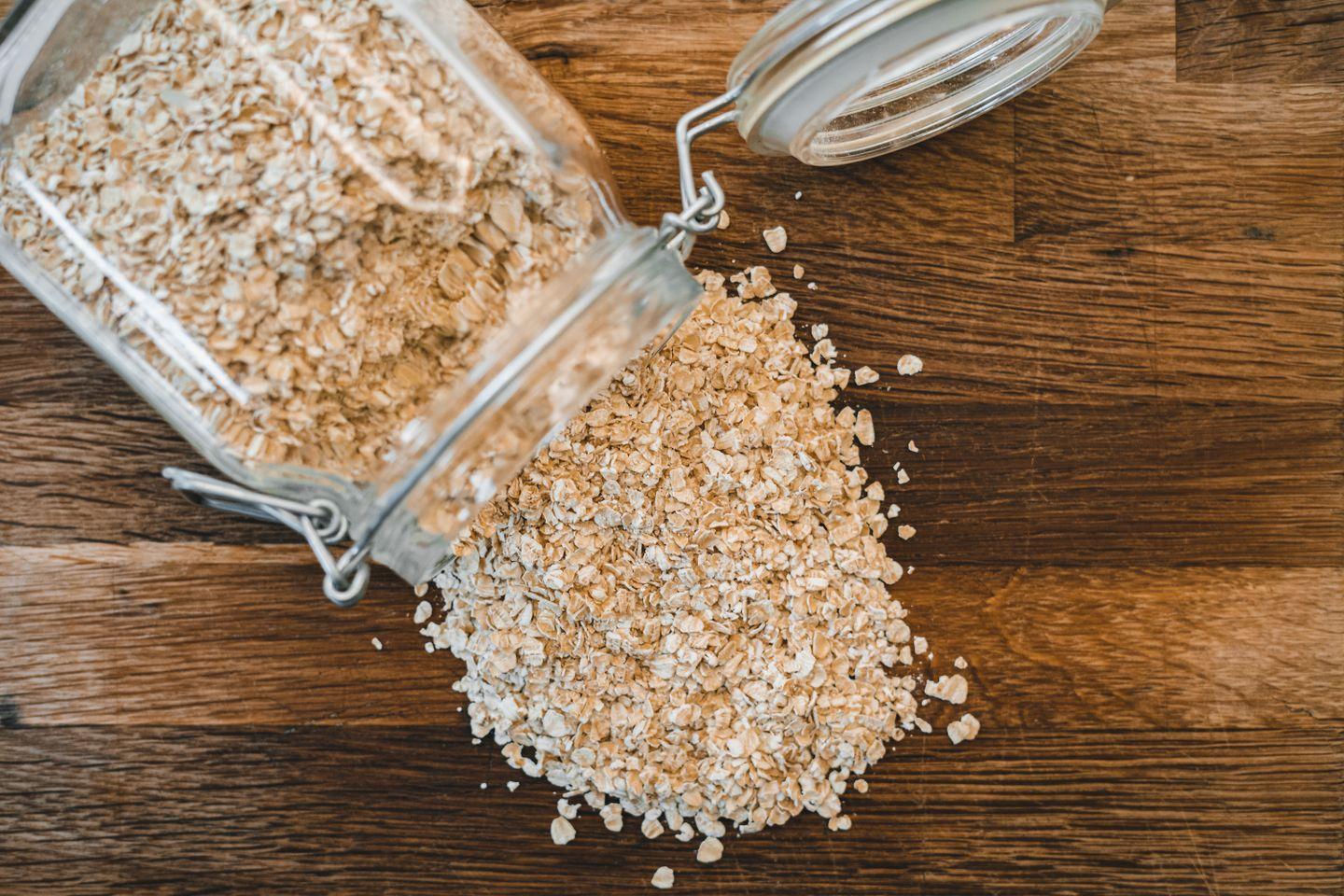
Oat protein is recovered from oats during fractionation and may be used to increase the protein content of pet foods. Its amino-acid pattern differs from that of animal proteins, and its…
Oat protein is recovered from oats during fractionation and may be used to increase the protein content of pet foods. Its amino-acid pattern differs from that of animal proteins, and its quality depends on the concentrate’s actual composition, processing and digestibility. Oat protein may retain variable amounts of starch, fibre and lipid. Direct clinical research on isolated oat protein in dogs and cats is limited; its suitability depends on amino-acid balance and the finished formula. It should not be confused with oat beta-glucan or oat hull fibre, which have different functions.
References: NRC, Nutrient Requirements of Dogs and Cats (2006); reviews of cereal proteins and plant-protein ingredients in companion-animal nutrition; FEDIAF, Nutritional Guidelines (2025).
Hydrolysed animal protein is produced by breaking animal proteins into smaller peptides and amino acids, usually through enzymatic or chemical processing. In pet food, it may be used to…
Egg protein is valued in pet nutrition because it provides highly digestible protein and a favourable balance of essential amino acids. Eggs are used in some complete pet foods, treats and…
Methylotroph protein is produced by microorganisms that use one-carbon compounds such as methanol as a carbon and energy source. Commercial microbial biomass may provide concentrated protein…