Pumpkin seed protein is obtained from pumpkin seeds, often after oil extraction. It contributes protein and may retain residual oil, fibre and minerals. Its amino-acid composition differs…
Pumpkin seed protein is obtained from pumpkin seeds, often after oil extraction. It contributes protein and may retain residual oil, fibre and minerals. Its amino-acid composition differs from animal proteins, and the nutritional quality of the meal depends on dehulling, pressing, heating and storage. Rancidity can develop in residual fats if the ingredient is poorly stored. There is insufficient clinical evidence to claim that pumpkin seed protein treats urinary disease, parasites or prostate conditions in dogs and cats. Use compositional analysis rather than general claims about whole pumpkin seeds.
References: Reviews of pumpkin seed composition and oilseed meals in animal nutrition; NRC, Nutrient Requirements of Dogs and Cats (2006).
Hydrolysed animal protein is produced by breaking animal proteins into smaller peptides and amino acids, usually through enzymatic or chemical processing. In pet food, it may be used to…
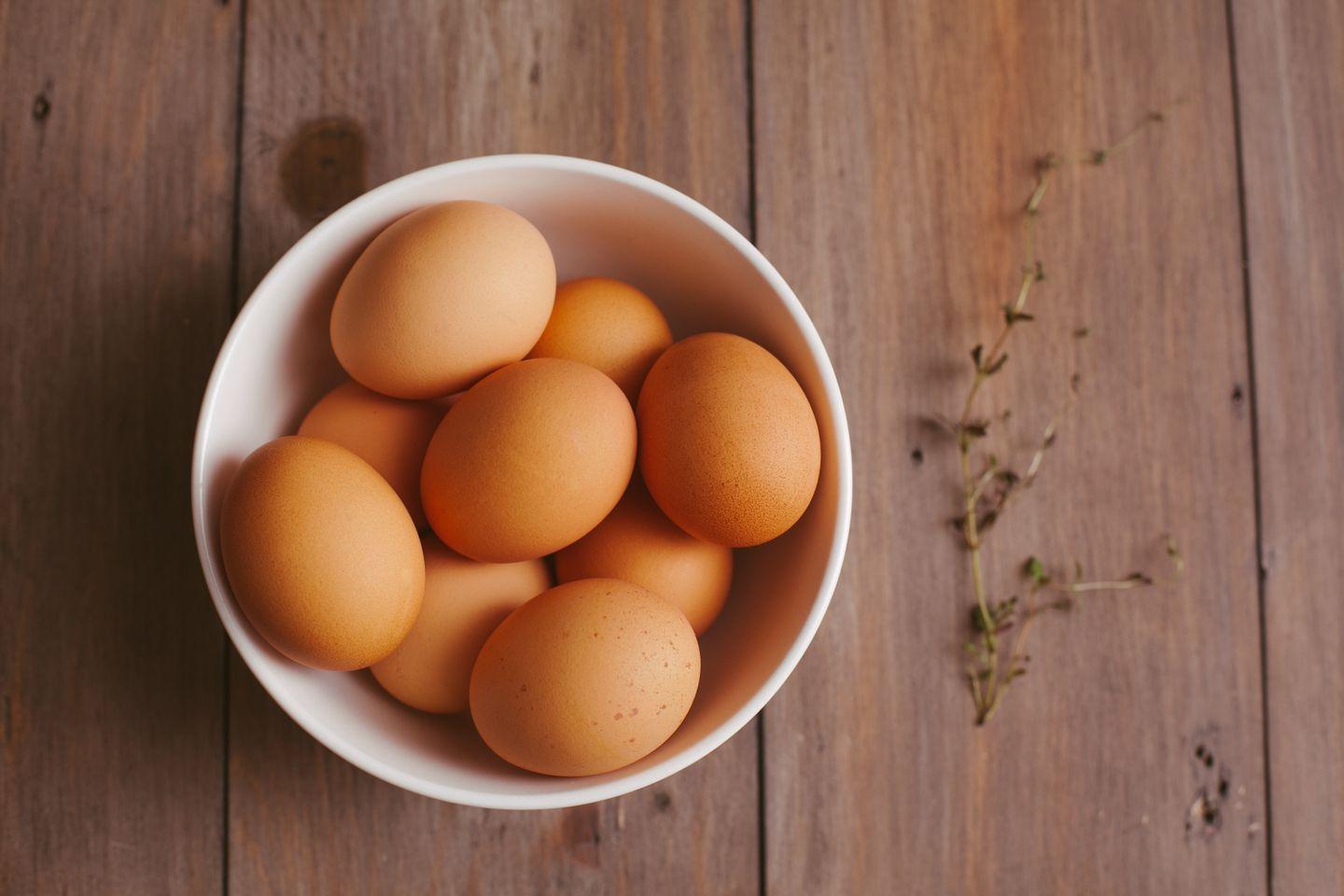
Egg protein is valued in pet nutrition because it provides highly digestible protein and a favourable balance of essential amino acids. Eggs are used in some complete pet foods, treats and…
Methylotroph protein is produced by microorganisms that use one-carbon compounds such as methanol as a carbon and energy source. Commercial microbial biomass may provide concentrated protein…