Whey protein concentrate is made from the liquid portion of milk left after curd formation. It contains a mixture of proteins, including beta-lactoglobulin and alpha-lactalbumin, and may…
Whey protein concentrate is made from the liquid portion of milk left after curd formation. It contains a mixture of proteins, including beta-lactoglobulin and alpha-lactalbumin, and may retain some lactose and minerals. The exact composition depends on the filtration and concentration process.
Whey can provide highly digestible protein, but the label does not reveal the precise amino acid balance or lactose content. It is not automatically suitable for every pet with digestive sensitivity or suspected milk-protein allergy. Lactose intolerance and milk-protein allergy are different conditions: one concerns digestion of milk sugar, while the other involves an immune response to protein.
Whey protein concentrate is not the same as whey protein isolate, which generally contains a higher proportion of protein and less lactose. Neither should be used as a substitute for a complete and balanced pet food. Claims that whey concentrate builds muscle, improves immunity or treats intestinal disease in dogs and cats require evidence from appropriate clinical studies.
Milk protein concentrate is produced by concentrating milk proteins, commonly through membrane filtration. It generally contains both casein and whey proteins, although the ratio and the…
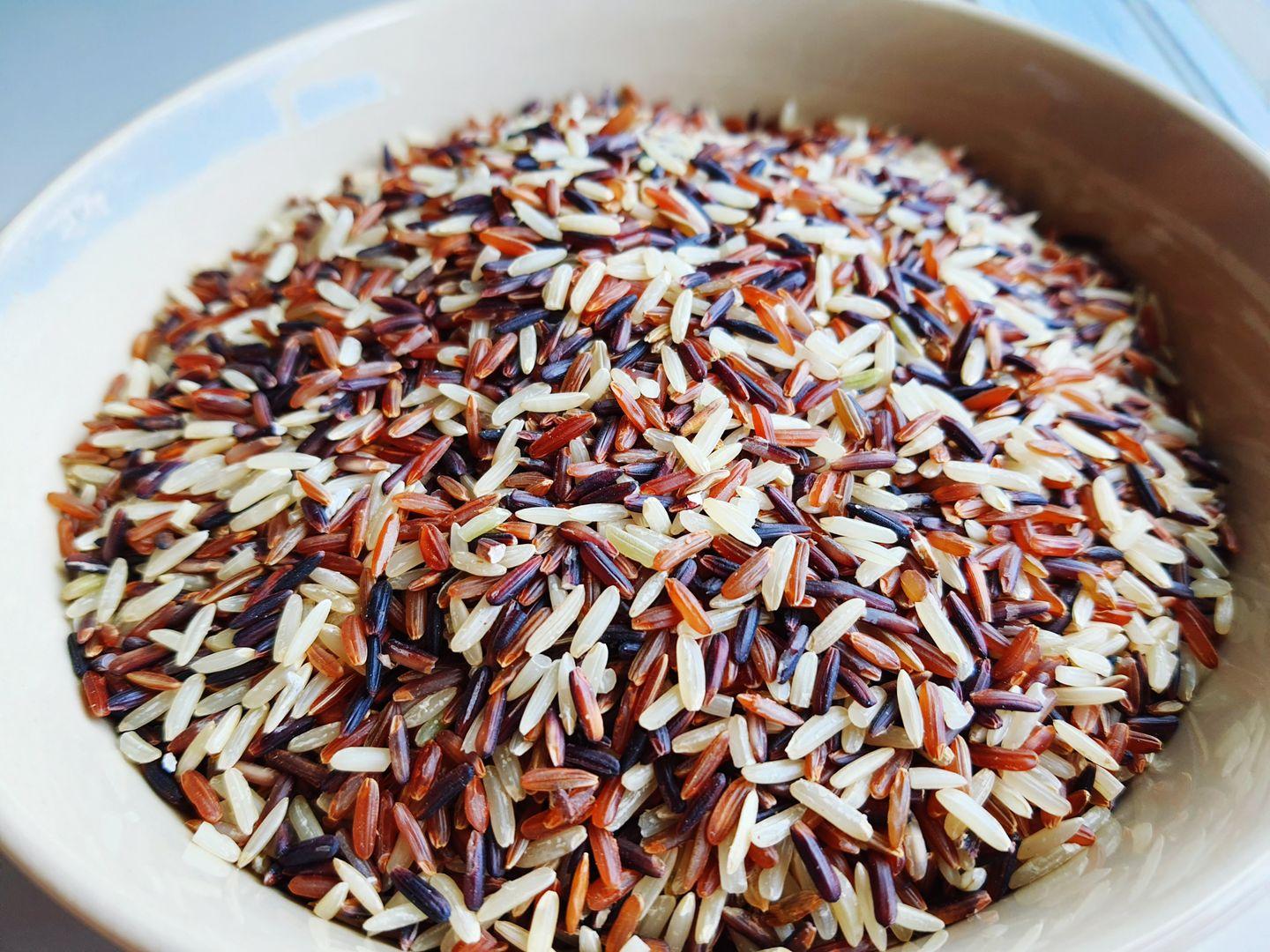
Rice protein concentrate is produced by separating much of the starch from rice, leaving a protein-rich fraction. Its amino-acid profile differs from animal proteins, so it should be…
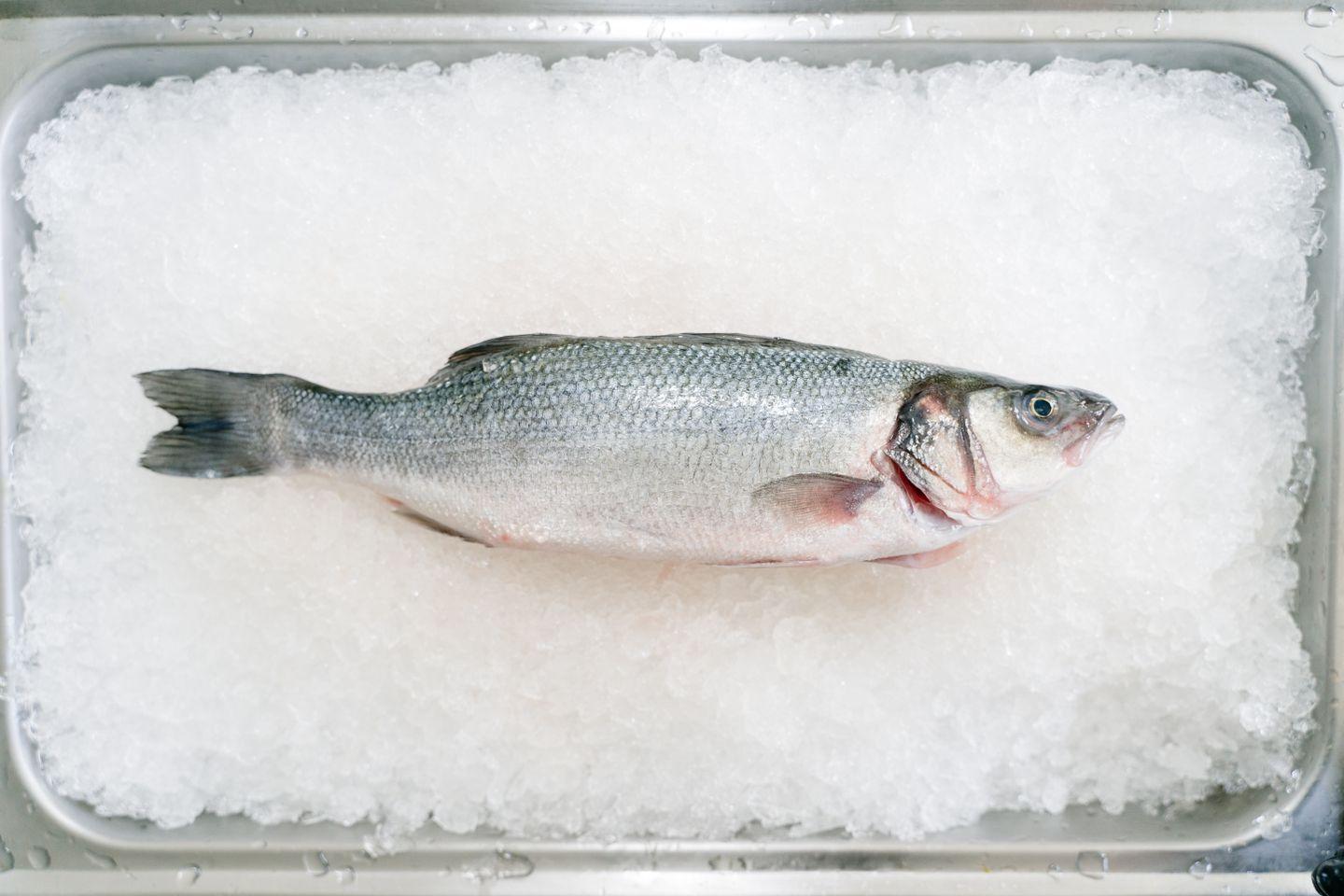
Fish protein concentrate is a processed fish-derived ingredient in which water and, depending on the process, some fat and other components are removed to concentrate protein. The term can…