Calcium and phosphorus interact in bone and shell metabolism. The correct dietary concentrations and balance depend on species and the whole ration; one calcium-to-phosphorus ratio should…
Calcium and phosphorus interact in bone and shell metabolism. The correct dietary concentrations and balance depend on species and the whole ration; one calcium-to-phosphorus ratio should not be presented as universal for all tortoises and aquatic turtles. Low calcium availability, excessive phosphorus, inadequate UVB and poor vitamin D metabolism can contribute to metabolic bone disease. Calcium powder alone cannot correct poor husbandry. A reptile veterinarian should assess diet, lighting and supplementation.
References
MSD Veterinary Manual, “Nutrition in Tortoises” (reviewed September 2025; last updated July 2026); MSD Veterinary Manual, “Nutrition in Reptiles” (reviewed September 2025; last updated October 2025); MSD Veterinary Manual, “Management and Husbandry of Reptiles”.
Evidence note: General veterinary references do not establish an ingredient-specific safe quantity for every chelonian species. Feeding recommendations must be checked against the exact species, life stage and health status.
Calcium is essential for shell and bone development, but supplementation must be matched to species, age, diet, UVB exposure and reproductive status. Cuttlebone is not a standard or…
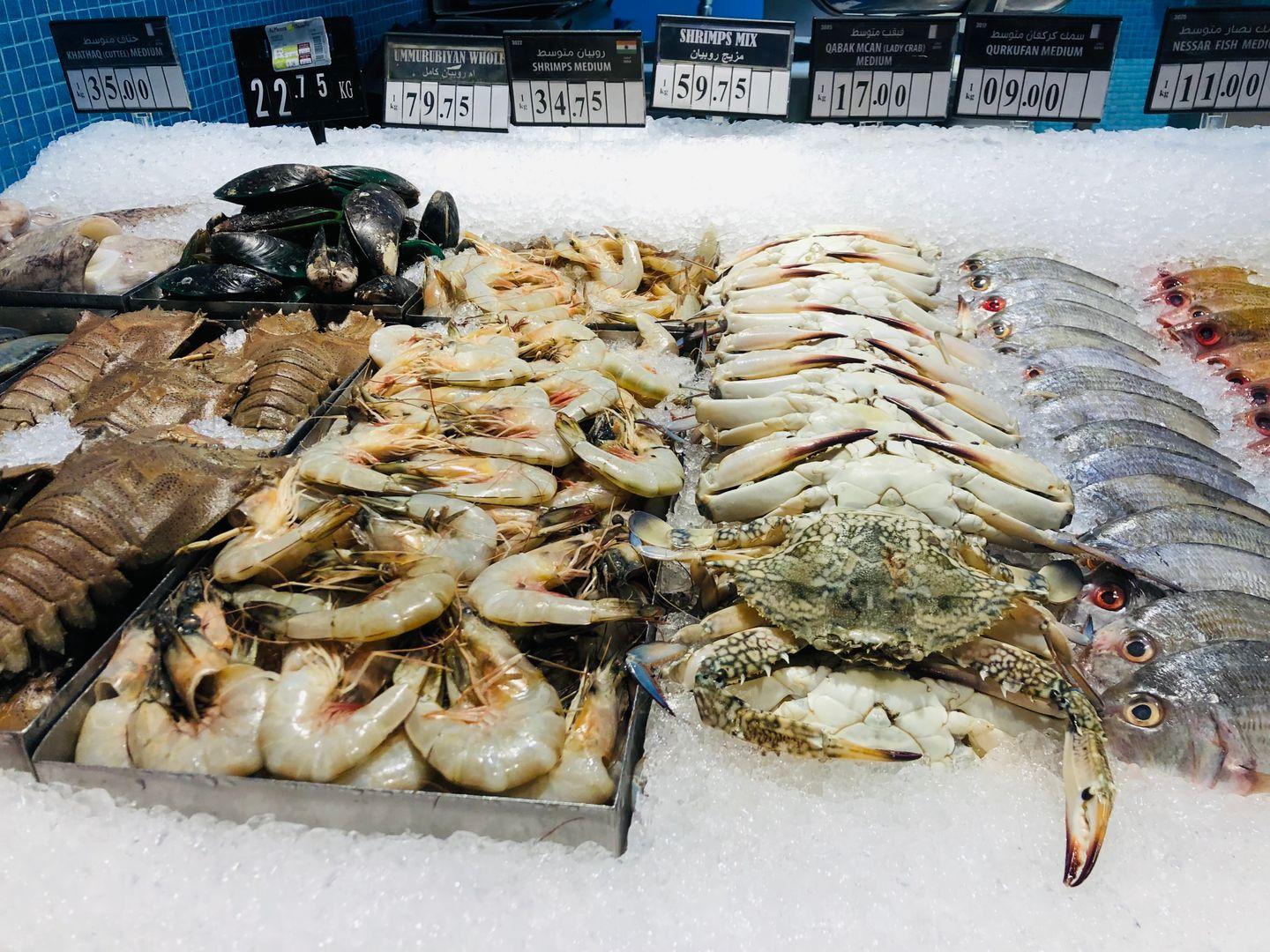
Shrimp and prawns may be eaten by some aquatic turtles, but dried shrimp products are not complete diets. They can lack nutrients required for long-term health and should not replace a…
UVB supports vitamin D3 synthesis in many diurnal chelonians and helps maintain calcium metabolism. Ordinary window glass blocks most useful UVB, so sunlight through a window is not an…