UVB supports vitamin D3 synthesis in many diurnal chelonians and helps maintain calcium metabolism. Ordinary window glass blocks most useful UVB, so sunlight through a window is not an…
UVB supports vitamin D3 synthesis in many diurnal chelonians and helps maintain calcium metabolism. Ordinary window glass blocks most useful UVB, so sunlight through a window is not an adequate substitute for direct, appropriately managed sunlight or suitable UVB lighting. UVB requirements depend on species, enclosure design, lamp type, distance, mesh and basking behaviour. There is no universal bulb percentage or distance for every chelonian. Follow species-specific veterinary guidance and manufacturer instructions, and provide a thermal gradient and shade.
References
MSD Veterinary Manual, “Nutrition in Tortoises” (reviewed September 2025; last updated July 2026); MSD Veterinary Manual, “Nutrition in Reptiles” (reviewed September 2025; last updated October 2025); MSD Veterinary Manual, “Management and Husbandry of Reptiles”.
Evidence note: General veterinary references do not establish an ingredient-specific safe quantity for every chelonian species. Feeding recommendations must be checked against the exact species, life stage and health status.
Vitamin D3 supports calcium absorption and bone health, but both deficiency and excess can be harmful. Requirements depend on species, diet, UVB exposure and life stage. Do not routinely…
Vitamin A is important for epithelial tissues, vision and immune function. Aquatic turtles fed nutritionally inadequate diets can develop hypovitaminosis A, but swollen eyelids or eye…
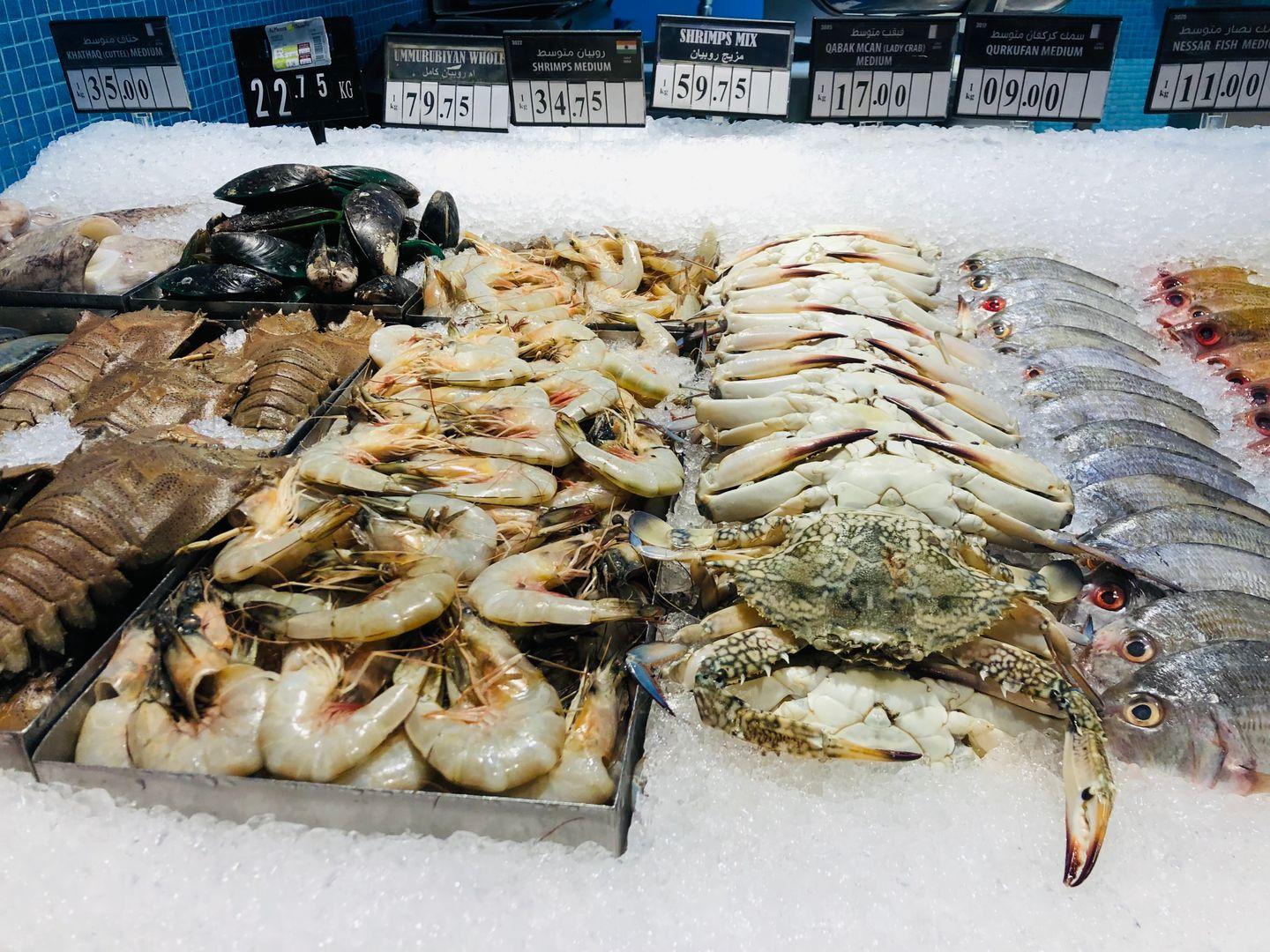
Shrimp and prawns may be eaten by some aquatic turtles, but dried shrimp products are not complete diets. They can lack nutrients required for long-term health and should not replace a…