Duckweed is eaten by some aquatic turtles, but its nutrient composition varies with plant species and water quality. Do not collect it from drains, sewage-contaminated ponds, industrial…
Duckweed is eaten by some aquatic turtles, but its nutrient composition varies with plant species and water quality. Do not collect it from drains, sewage-contaminated ponds, industrial water or sites exposed to pesticides. Correctly identify the plant and use only material grown in clean, controlled water. Duckweed can add variety but should not be assumed to be a complete diet. It is not a substitute for terrestrial forage in grazing tortoises.
References
MSD Veterinary Manual, “Nutrition in Turtles” (reviewed September 2025; last updated July 2026); MSD Veterinary Manual, “Nutrition in Reptiles” (reviewed September 2025; last updated October 2025); MSD Veterinary Manual, “Management and Husbandry of Reptiles”.
Evidence note: General veterinary references do not establish an ingredient-specific safe quantity for every chelonian species. Feeding recommendations must be checked against the exact species, life stage and health status.
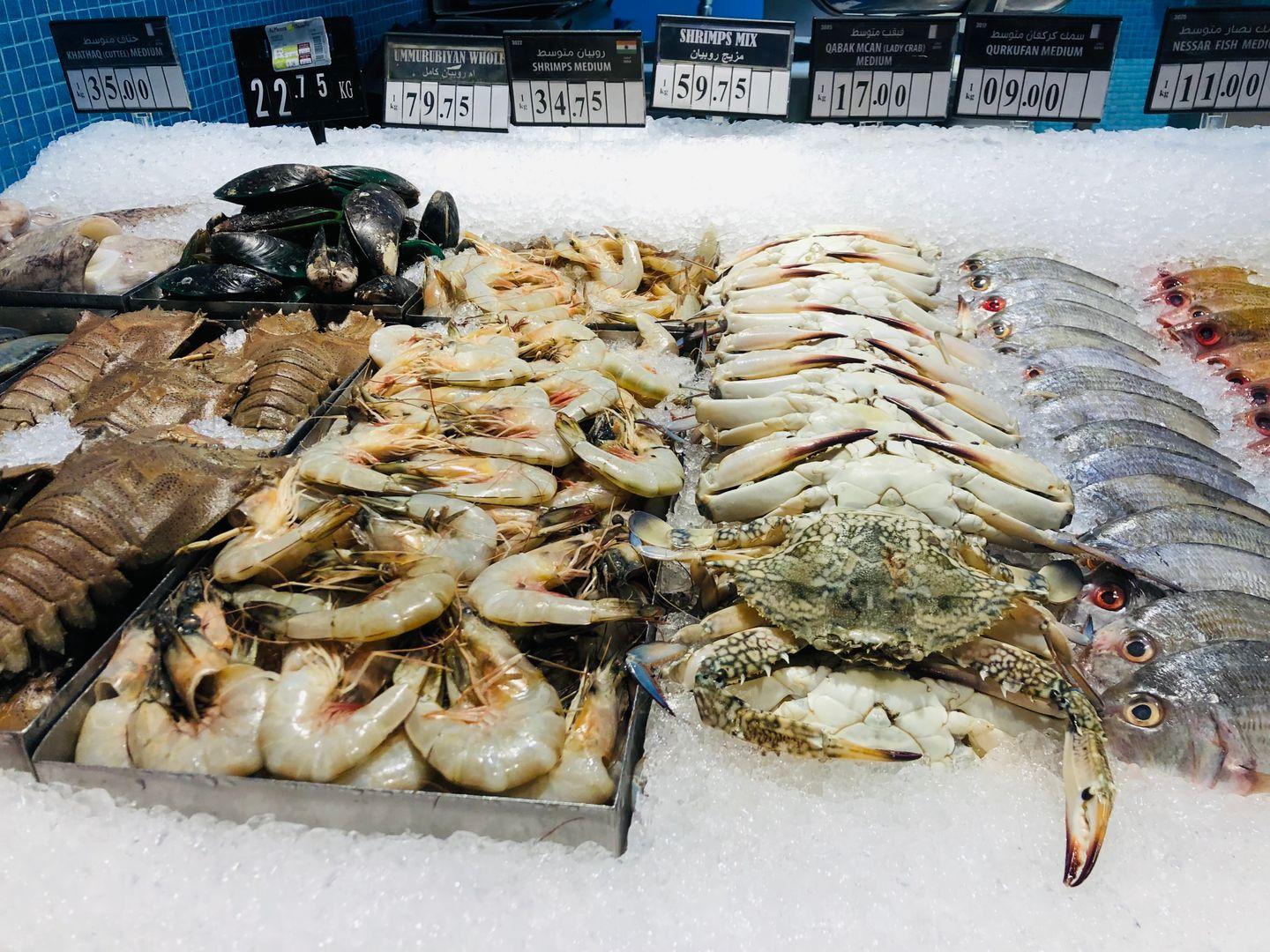
Shrimp and prawns may be eaten by some aquatic turtles, but dried shrimp products are not complete diets. They can lack nutrients required for long-term health and should not replace a…
Aloe should not be recommended as a routine tortoise food or home remedy. Aloe species and preparations differ, and some contain latex compounds with laxative effects in mammals; reliable…
Calcium and phosphorus interact in bone and shell metabolism. The correct dietary concentrations and balance depend on species and the whole ration; one calcium-to-phosphorus ratio should…