Vitamin D3 supports calcium absorption and bone health, but both deficiency and excess can be harmful. Requirements depend on species, diet, UVB exposure and life stage. Do not routinely…
Vitamin D3 supports calcium absorption and bone health, but both deficiency and excess can be harmful. Requirements depend on species, diet, UVB exposure and life stage. Do not routinely dust every meal with combined calcium and D3 unless a reptile veterinarian has specified the product and schedule. Excess D3 can cause abnormal tissue mineralisation and organ damage. Correct lighting, temperature, diet and veterinary assessment are all important. Human multivitamins are not suitable substitutes for reptile-specific products.
References
MSD Veterinary Manual, “Nutrition in Turtles” (reviewed September 2025; last updated July 2026); MSD Veterinary Manual, “Nutrition in Reptiles” (reviewed September 2025; last updated October 2025); MSD Veterinary Manual, “Management and Husbandry of Reptiles”.
Evidence note: General veterinary references do not establish an ingredient-specific safe quantity for every chelonian species. Feeding recommendations must be checked against the exact species, life stage and health status.
UVB supports vitamin D3 synthesis in many diurnal chelonians and helps maintain calcium metabolism. Ordinary window glass blocks most useful UVB, so sunlight through a window is not an…
Vitamin A is important for epithelial tissues, vision and immune function. Aquatic turtles fed nutritionally inadequate diets can develop hypovitaminosis A, but swollen eyelids or eye…
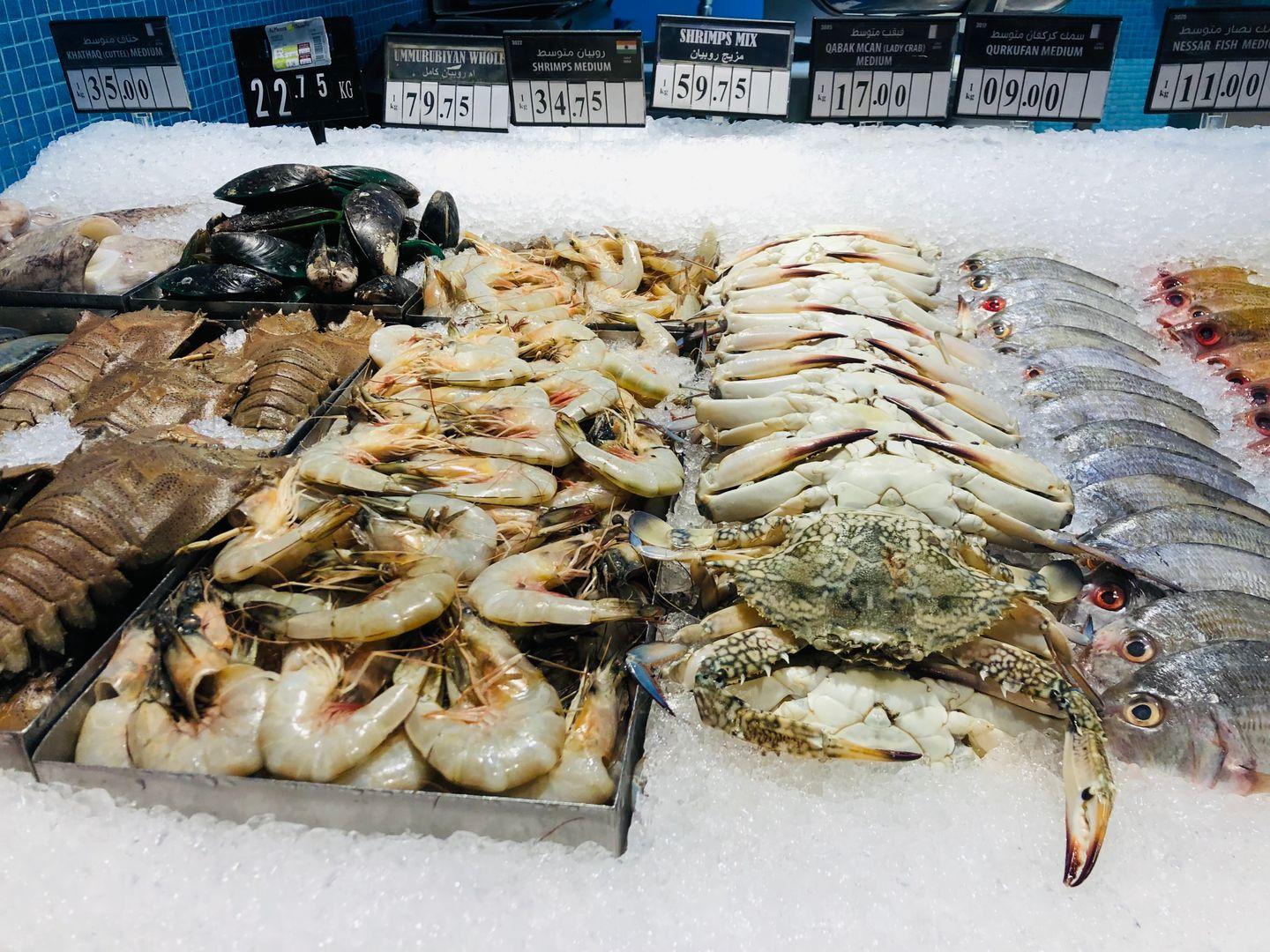
Shrimp and prawns may be eaten by some aquatic turtles, but dried shrimp products are not complete diets. They can lack nutrients required for long-term health and should not replace a…