Water lettuce and water hyacinth are aquatic plants that may be nibbled by some aquatic turtles, but plants collected from natural water bodies can carry pollutants, pesticides and…
Water lettuce and water hyacinth are aquatic plants that may be nibbled by some aquatic turtles, but plants collected from natural water bodies can carry pollutants, pesticides and pathogens. Water hyacinth is invasive in many regions and must never be released or spread. Do not use these plants as a complete diet. If any aquatic plant is offered, it must be correctly identified, legally sourced and grown in clean water. Never release surplus plants or captive animals into waterways.
References
MSD Veterinary Manual, “Nutrition in Turtles” (reviewed September 2025; last updated July 2026); MSD Veterinary Manual, “Nutrition in Reptiles” (reviewed September 2025; last updated October 2025); MSD Veterinary Manual, “Management and Husbandry of Reptiles”.
Evidence note: General veterinary references do not establish an ingredient-specific safe quantity for every chelonian species. Feeding recommendations must be checked against the exact species, life stage and health status.
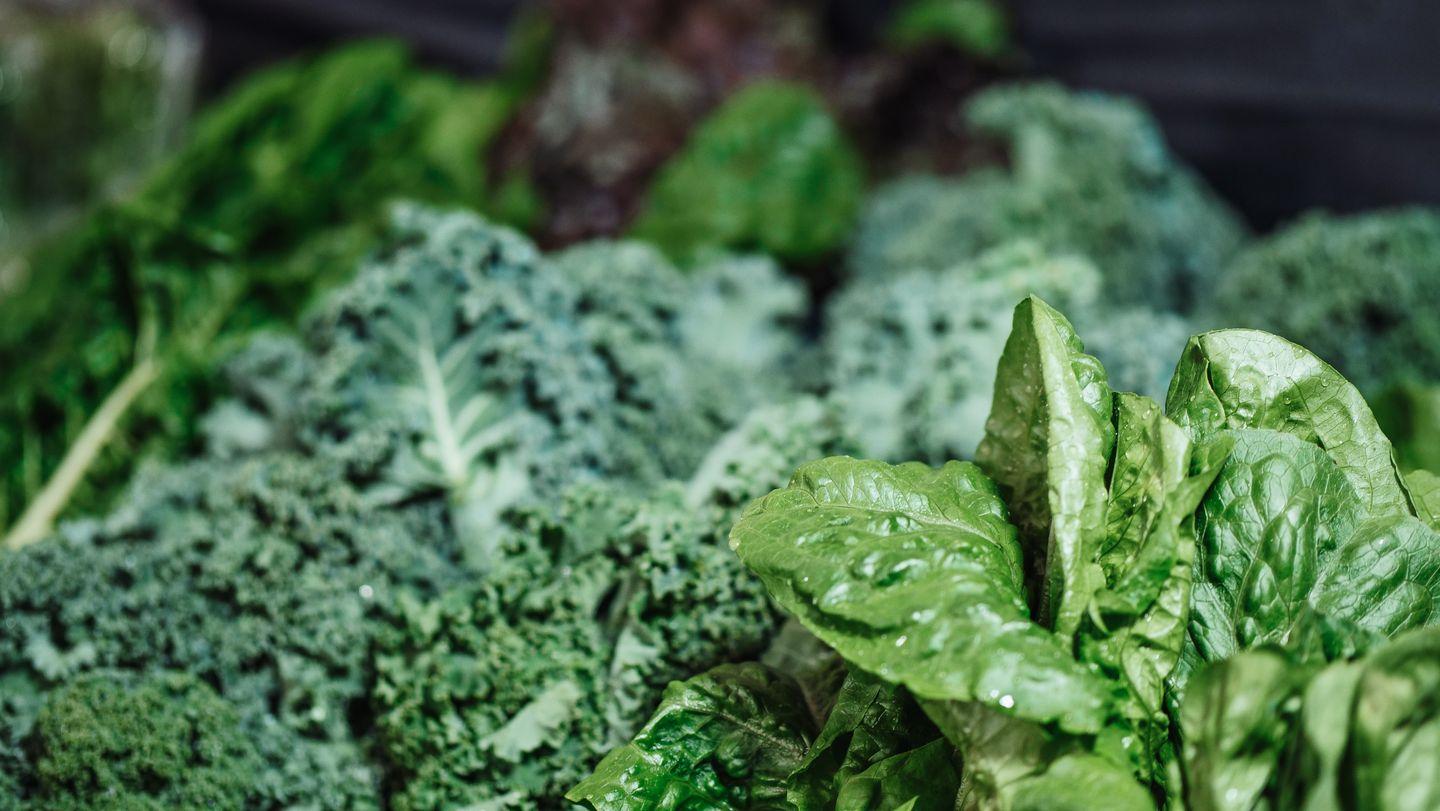
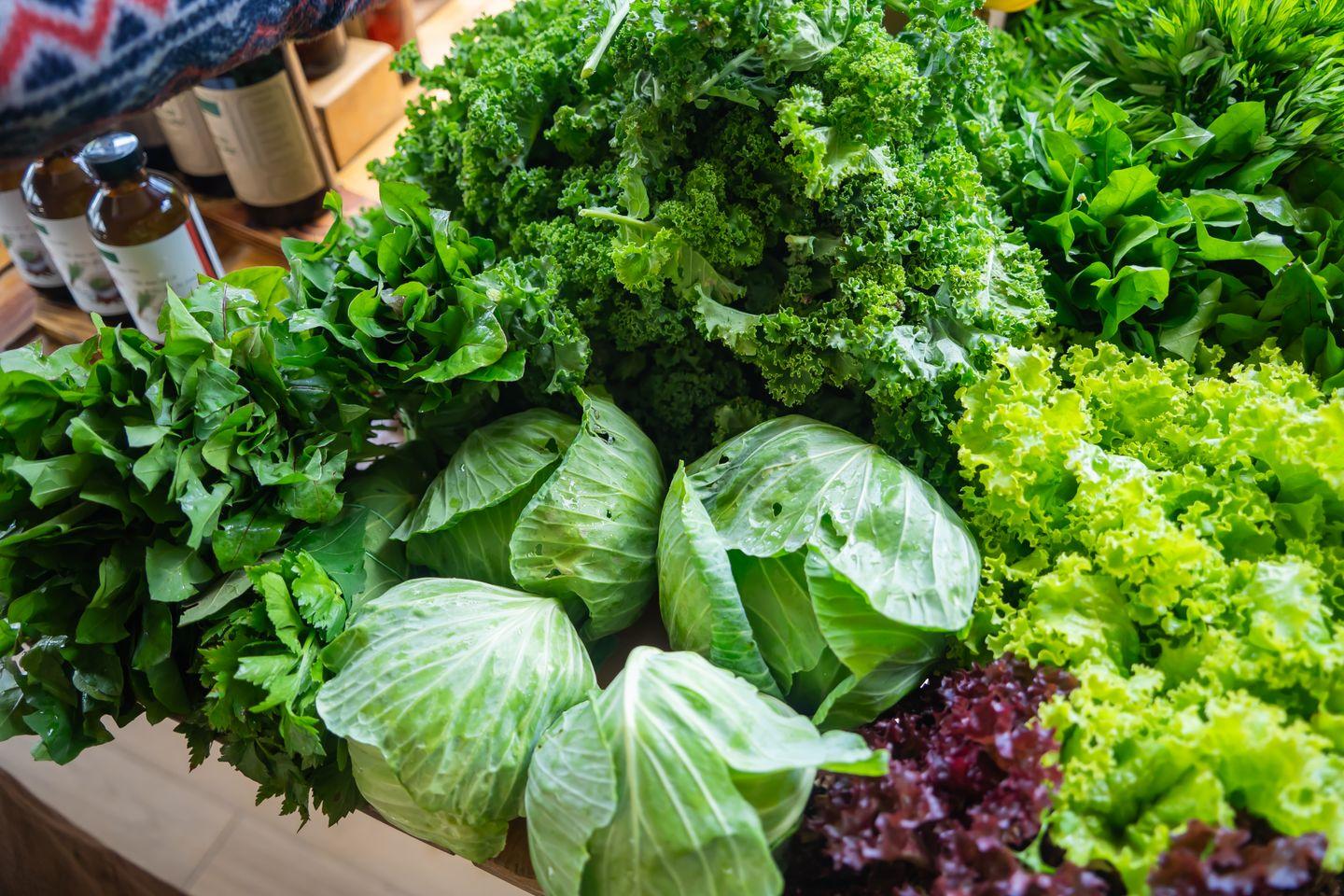
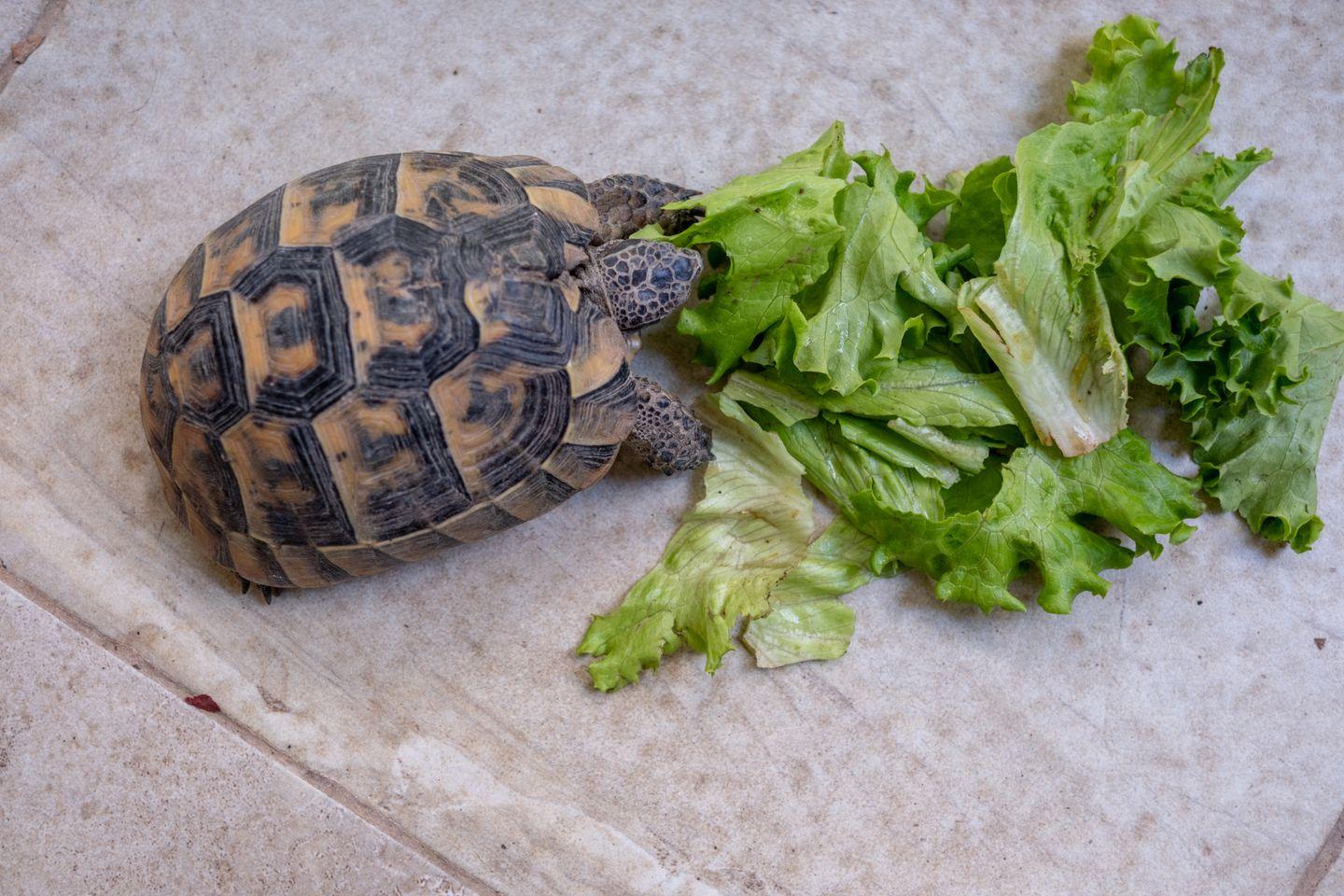
Romaine lettuce can be one component of a varied plant diet for some tortoises, but lettuce should not form the whole diet. It is relatively watery and less fibrous than many suitable weeds…
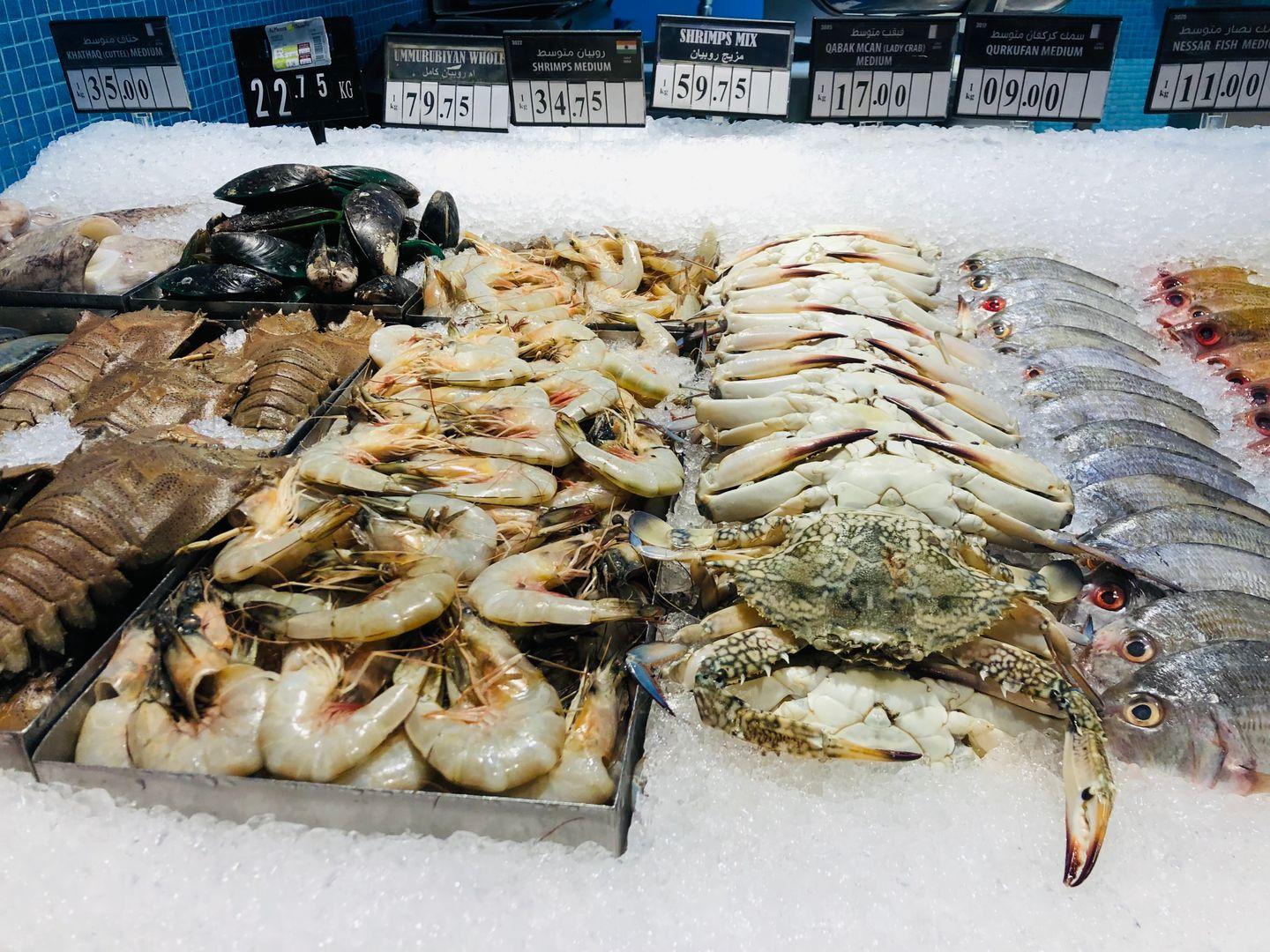
Shrimp and prawns may be eaten by some aquatic turtles, but dried shrimp products are not complete diets. They can lack nutrients required for long-term health and should not replace a…
UVB supports vitamin D3 synthesis in many diurnal chelonians and helps maintain calcium metabolism. Ordinary window glass blocks most useful UVB, so sunlight through a window is not an…