Every Indian city has them. A dog sleeping outside a closed shop, a cat searching through discarded food, a cow standing beside a busy road, or a puppy trying to find shelter during the monsoon. We se
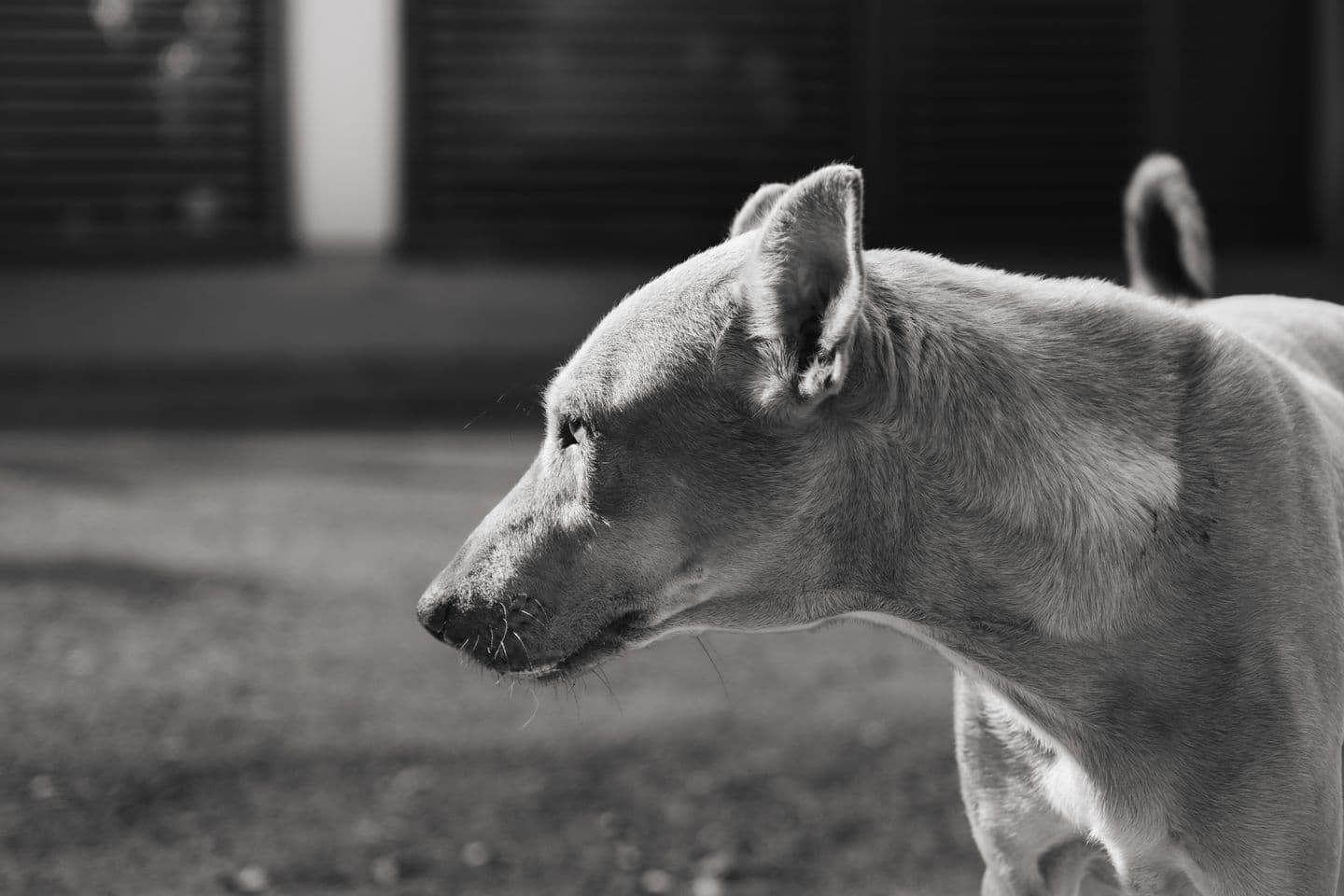
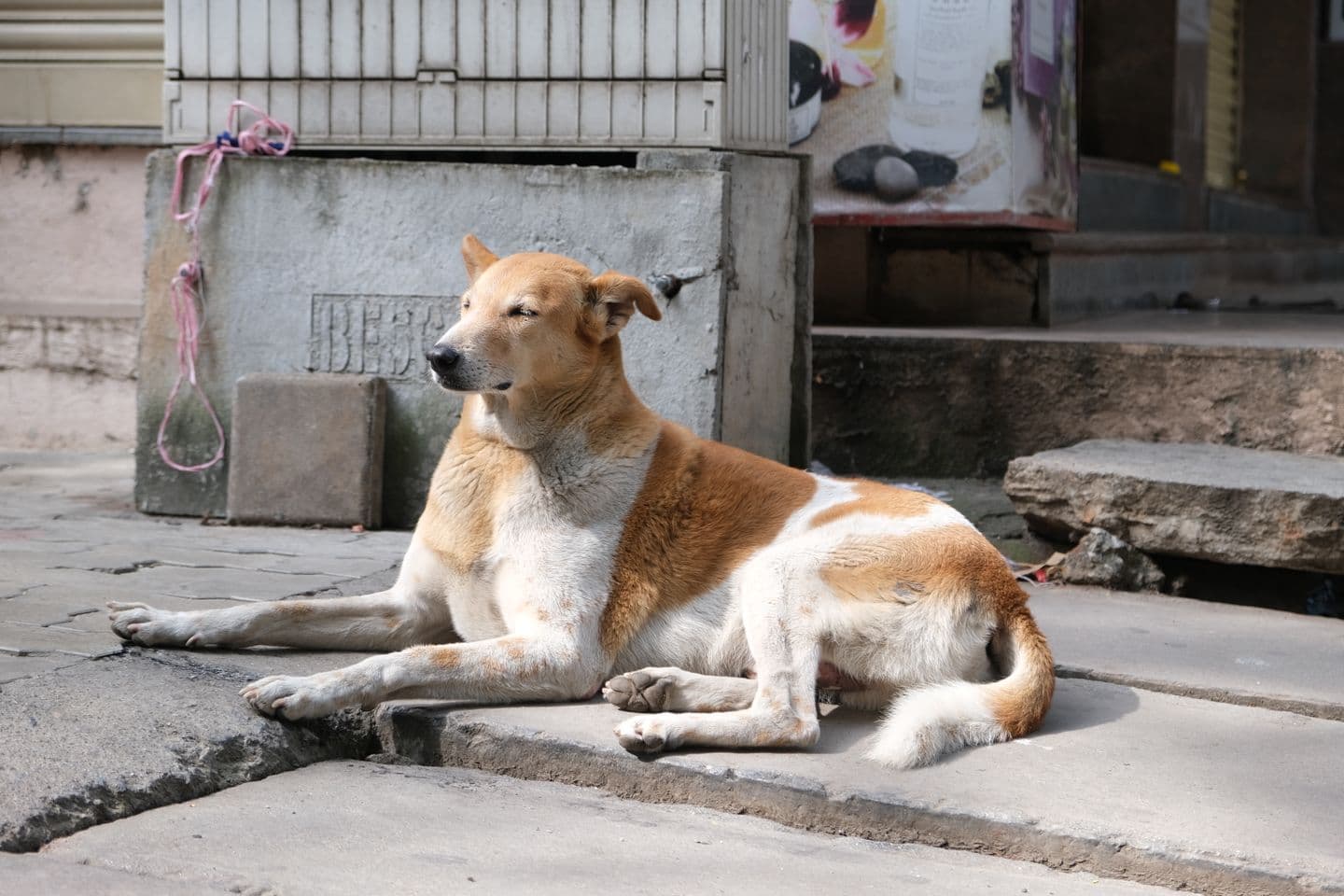
Every Indian city has them. A dog sleeping outside a closed shop, a cat searching through discarded food, a cow standing beside a busy road, or a puppy trying to find shelter during the monsoon. We see them every day, yet most of us have learnt not to notice them.
Street animals have become part of our urban landscape. Their presence is so familiar that their suffering often goes unnoticed. We walk past an injured dog, drive around a hungry puppy or ignore an animal struggling in the summer heat. Sometimes, it is not a lack of compassion but a gradual acceptance of suffering as something ordinary.
When suffering becomes invisible
For a street animal, survival is a daily challenge. Food and clean water are uncertain. Roads present a constant danger. Extreme heat, heavy rain, untreated injuries, infections and disease make life difficult. Many animals are also exposed to cruelty, harassment and poisoning.
Unlike companion animals, street animals rarely have someone responsible for their routine healthcare. A small wound can become a serious infection. A manageable skin condition can deteriorate without treatment. Puppies and kittens face particularly high risks because they are vulnerable to disease, malnutrition and accidents.
Their lives are often shortened not by one dramatic event but by the accumulation of everyday neglect.
Compassion does not always require money
Helping an animal does not necessarily mean adopting it or becoming a full-time rescuer. Compassion can begin with small actions.
Providing clean drinking water, especially during summer, can make a difference. Offering appropriate food, keeping a first-aid contact handy and reporting an injured animal to a reliable rescue organisation are practical ways to help.
Motorists can slow down in areas where animals frequently cross roads. Residents can support humane sterilisation and vaccination programmes. Shopkeepers can allow animals to rest in shaded spaces without disturbing customers or public movement.
Even teaching children to treat animals gently can influence how an entire generation responds to them.
From indifference to coexistence
Street animals are not intruders who have suddenly appeared in our neighbourhoods. Many are descendants of animals that have lived alongside human settlements for generations. Urban expansion, irresponsible pet ownership, discarded food and inadequate municipal animal management all influence their numbers and living conditions.
Their presence requires responsible civic management, not hostility.
Compassion must also be accompanied by practical solutions. Municipalities need effective animal birth control programmes, vaccination drives, emergency veterinary services and accessible rescue networks. Communities need designated feeding arrangements and mechanisms to resolve conflicts.
The smallest act can change a life
We cannot personally rescue every animal we encounter. But we can choose not to become indifferent.
The next time we walk past an animal in distress, we can stop for a moment, assess the situation and seek help. We can make a phone call, offer water or connect the animal with someone who can provide treatment.
An animal may be just another part of the street to us. To that animal, the street is its entire world.
Perhaps compassion begins when we stop treating that world as somebody else's responsibility.
Street dogs are among the most visible yet misunderstood animals in Indian cities. They live outside our homes, sleep near shops, guard neighbourhoods and survive on the margins of human settlements.
A hospital is a place where people wait. Families wait for news, doctors wait for test results, and patients wait for someone to tell them that everything will be all right.