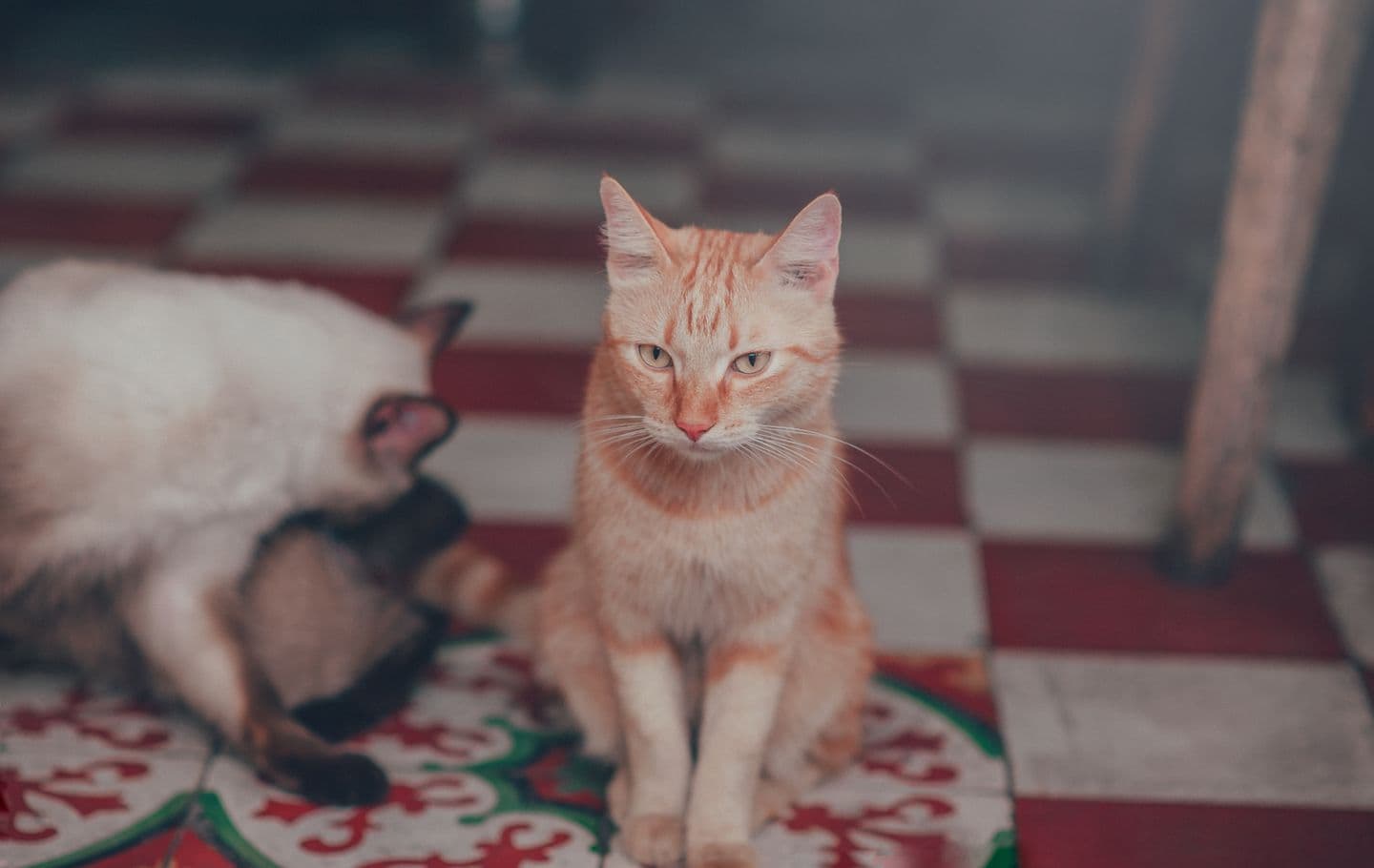
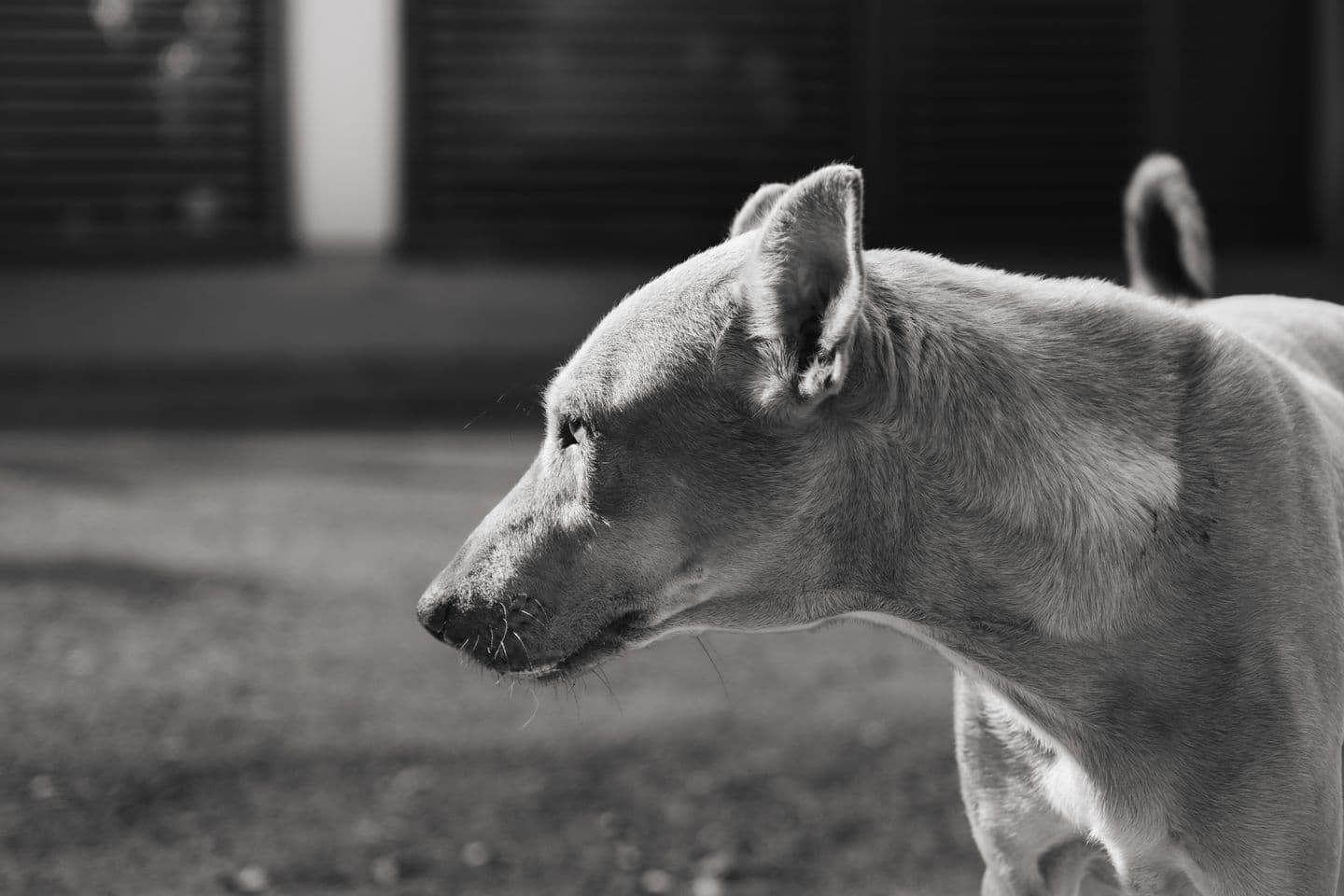
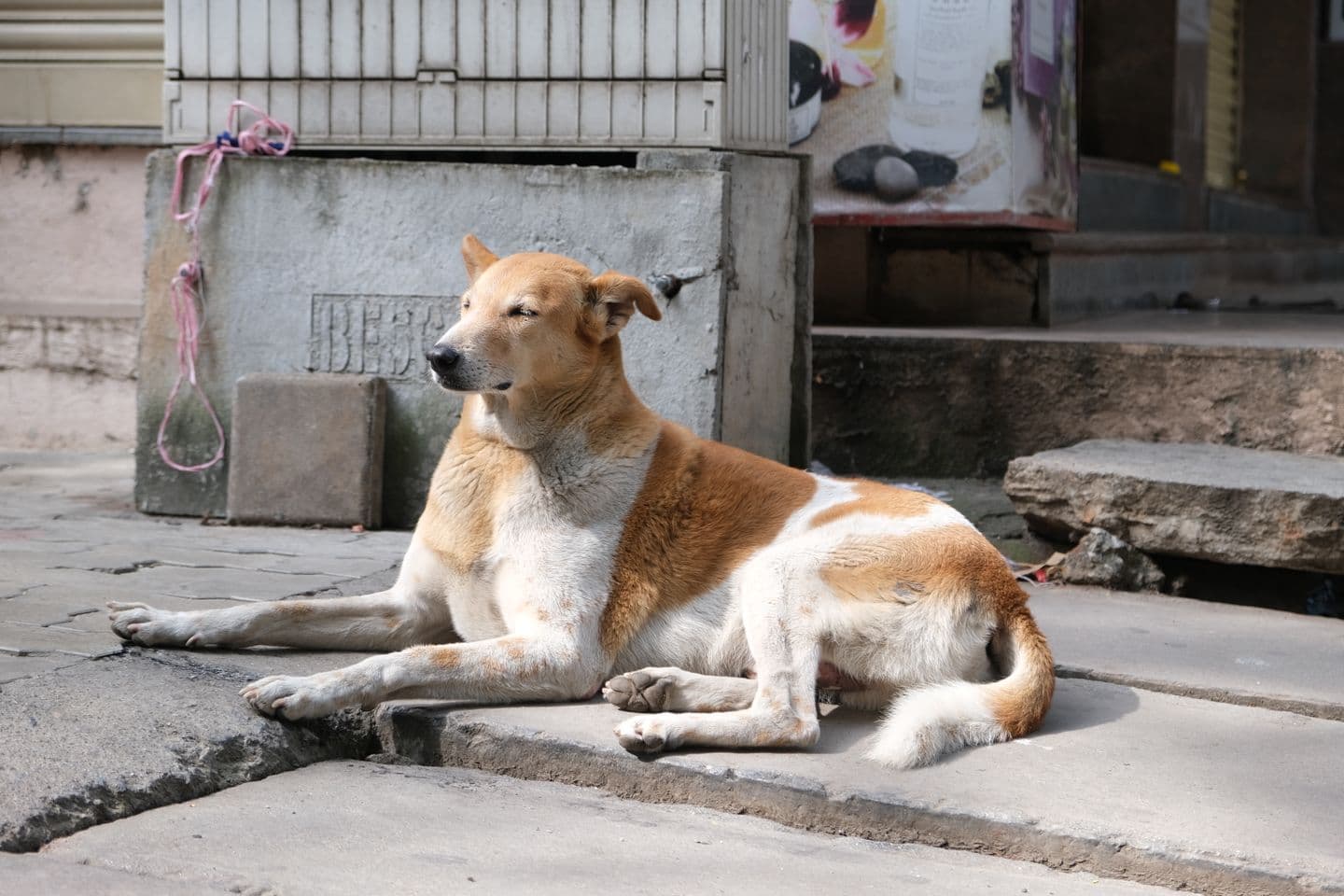
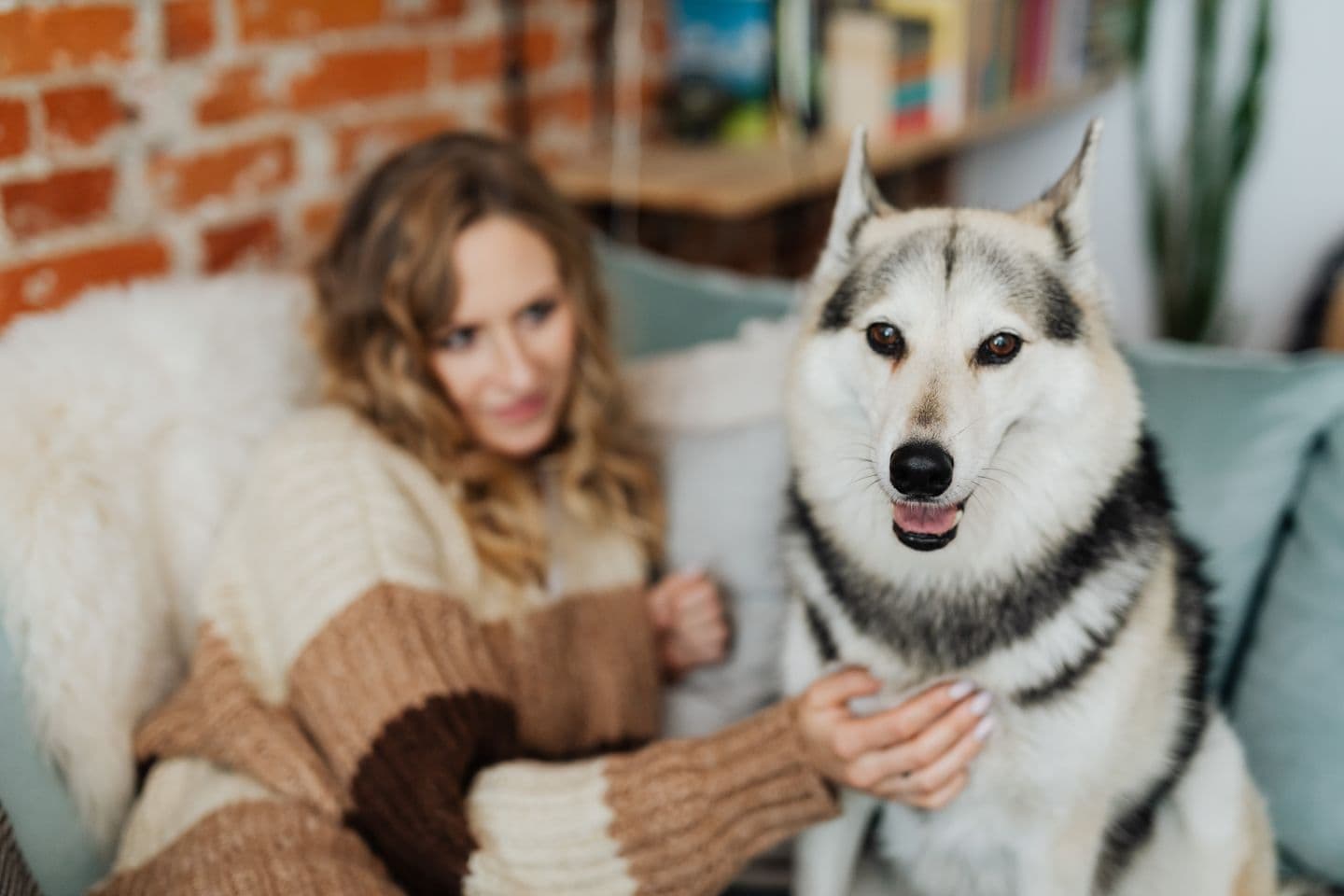
Diwali is a time of celebration for people, but it can be a frightening experience for animals. Loud firecrackers, smoke, sudden flashes of light and unfamiliar activity can cause severe distress.
Diwali is a time of celebration for people, but it can be a frightening experience for animals. Loud firecrackers, smoke, sudden flashes of light and unfamiliar activity can cause severe distress.
While dogs and cats are commonly discussed in Diwali safety campaigns, other companion animals are equally vulnerable. Birds, rabbits, guinea pigs, hamsters and reptiles also need protection.
Why are fireworks dangerous?
Animals often have more sensitive hearing than humans. Sudden explosions can trigger fear, panic and attempts to escape.
Common signs of distress include:
Trembling and shaking.
Excessive hiding.
Rapid breathing and panting.
Loss of appetite.
Excessive vocalisation.
Unusual aggression or restlessness.
Attempts to escape from enclosures.
Smoke and particulate pollution can also aggravate respiratory problems.
Dogs and cats
Keep dogs and cats indoors during fireworks. Close windows, draw curtains and create a quiet, comfortable space with familiar bedding.
Walk dogs before the celebrations begin, keeping them on a leash. Ensure identification tags and microchip details are updated.
Cats should remain indoors, with access to hiding places.
Do not force frightened animals to interact with guests or come out of hiding.
Birds
Pet birds can be particularly sensitive to sudden noises and airborne pollutants.
Move cages to an interior room away from open windows and balconies. Maintain adequate ventilation without exposing birds to smoke or cold draughts.
Provide familiar perches and ensure cage doors are secure.
Avoid placing birds near burning incense, diyas or decorative candles.
Rabbits and guinea pigs
These small mammals are easily startled by loud noises. Fear can lead to panic, injury and changes in feeding behaviour.
Keep their enclosures in a quiet room. Provide familiar hiding spaces, bedding, hay and fresh water.
Avoid unnecessary handling during fireworks. Monitor eating and droppings closely, as reduced food intake in rabbits and guinea pigs can become a medical emergency.
Hamsters and other small rodents
Hamsters, gerbils and other small rodents should be kept away from windows and noisy areas.
Covering part of the enclosure can help reduce visual stimulation, but never obstruct ventilation.
Maintain familiar bedding and avoid relocating the enclosure repeatedly during celebrations.
Reptiles and turtles
Reptiles may respond to environmental disturbance through changes in behaviour and feeding.
Keep enclosures stable and away from fireworks, smoke and excessive light. Maintain appropriate heating, lighting and humidity rather than making sudden changes to their environment.
Community animals and wildlife
Diwali safety must extend beyond household pets.
Community dogs, cats, cattle and birds have no guaranteed safe place during celebrations. Avoid bursting crackers near animal shelters, feeding areas, trees and places where animals take refuge.
Never throw crackers at animals or attach them to their bodies. Such acts constitute cruelty and must be reported.
Provide water and, where possible, safe temporary shelter for community animals.
Should anxious pets receive medication?
Some animals experience severe noise phobia. Veterinary-prescribed anti-anxiety medication may help in appropriate cases.
Never administer human sedatives or sleeping pills without veterinary advice.
Make animal welfare part of the celebration
A responsible Diwali does not require animals to endure fear, injury or pollution for human entertainment.
Celebrating with lamps, lights, family and kindness can make the festival safer for every living creature.
Street dogs are among the most visible yet misunderstood animals in Indian cities. They live outside our homes, sleep near shops, guard neighbourhoods and survive on the margins of human settlements.
A hospital is a place where people wait. Families wait for news, doctors wait for test results, and patients wait for someone to tell them that everything will be all right.