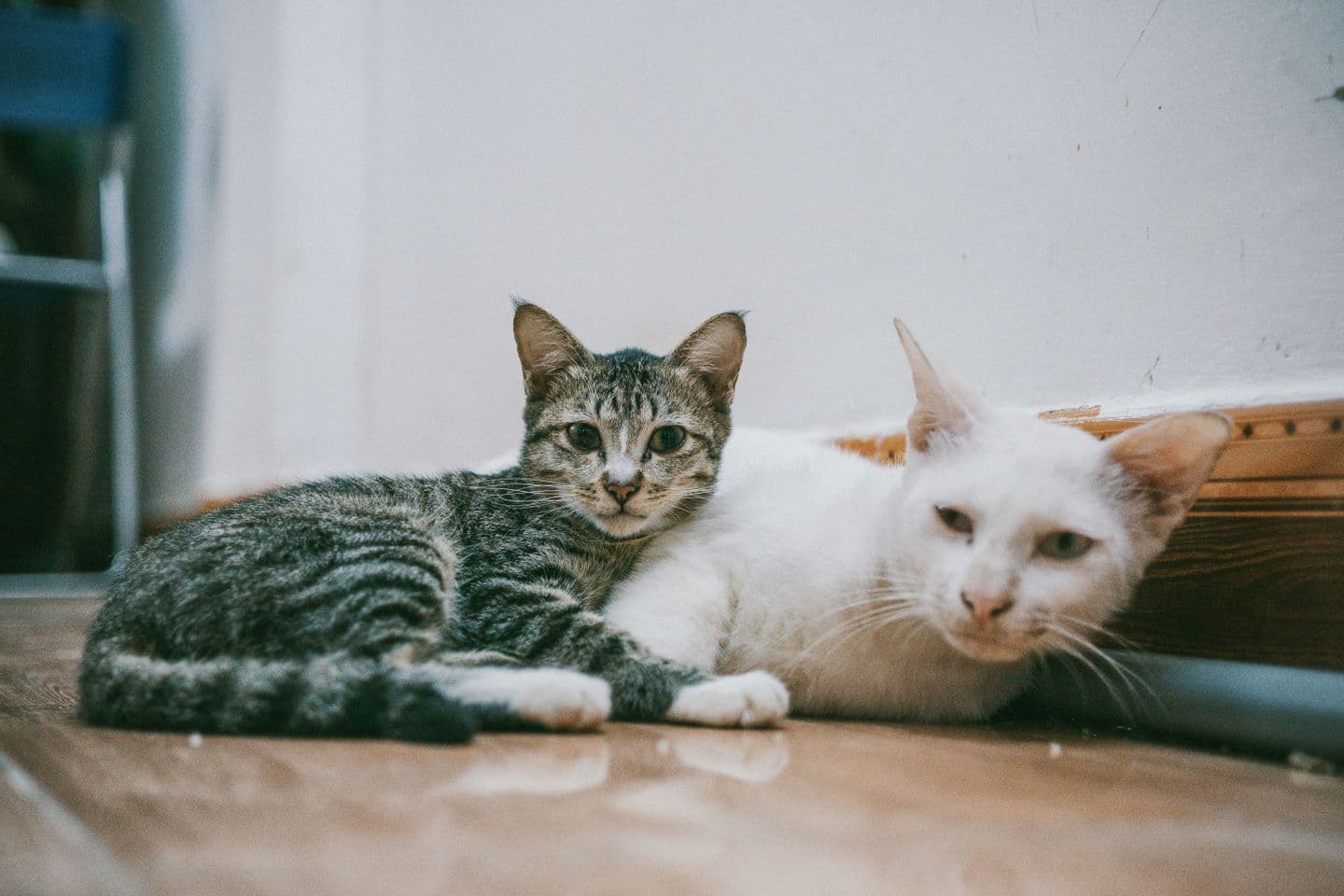
For many children, a pet is their first close companion outside the immediate family. Dogs, cats, rabbits, birds and other animals become part of everyday life. They are playmates, confidants and sour
For many children, a pet is their first close companion outside the immediate family. Dogs, cats, rabbits, birds and other animals become part of everyday life. They are playmates, confidants and sources of unconditional affection.
When a pet dies, the loss can be deeply painful. For some children, it may be their first experience of death.
How parents handle this experience can influence how children understand grief, loss and compassion.
Be honest about what has happened
It is tempting to tell a child that the pet has gone to sleep, gone away or will return someday. However, such explanations can create confusion and false expectations.
Use simple, age-appropriate language.
Explain that the pet has died and that its body has stopped working. Avoid unnecessary medical details, but answer questions honestly.
Younger children may need the explanation repeated several times before they understand what death means.
Allow children to grieve
Children express grief differently.
Some may cry openly, while others become quiet, irritable or withdrawn. Some may appear unaffected initially and show distress days or weeks later.
Do not dismiss their feelings with statements such as "It was only an animal" or "You will get another one."
The relationship was real, and the loss deserves recognition.
Allow children to talk about their pet, ask questions and express sadness without being judged.
Help them remember their pet
Creating positive memories can help children process their grief.
Consider:
Making a scrapbook of photographs.
Drawing pictures of the pet.
Writing a letter to the animal.
Creating a memory box containing its collar, favourite toy or other belongings.
Planting a tree or flowering plant in its memory.
Sharing stories about funny or memorable experiences.
A small family remembrance ceremony can also provide an opportunity to say goodbye.
Prepare children when death is expected
If a pet is elderly or seriously ill, avoid pretending that everything is normal.
Explain the situation gradually and honestly. Give children an opportunity to spend meaningful time with the animal.
Where euthanasia is being considered on veterinary advice, explain the decision sensitively. Help children understand that the family and veterinarian are trying to prevent further suffering.
Whether children should be present during euthanasia is an individual decision based on their age, understanding and emotional readiness.
What if the pet goes missing?
Uncertainty can be particularly difficult for children.
Avoid making promises that the animal will definitely return. Explain what the family is doing to search for the pet and allow children to participate in age-appropriate ways.
If the animal is confirmed dead, communicate the news honestly.
Should parents get another pet?
A common response to a child's grief is to introduce another animal immediately.
This is rarely the best approach.
A new pet cannot replace the animal that has died. Allow the family time to grieve before considering another adoption.
When the time comes, explain that a new animal will have its own personality and relationship with the family.
Recognise when additional support is needed
Most children gradually adjust to the loss with family support.
However, persistent sleep disturbances, intense anxiety, prolonged withdrawal, significant behavioural changes or difficulty functioning may warrant help from a child psychologist or mental health professional.
The family's own grief also matters. Parents should acknowledge their sadness rather than feeling compelled to appear unaffected.
An important life lesson
The death of a pet is painful, but it can also help children understand love, responsibility, empathy and the natural cycle of life.
Children learn that caring for another living being means accepting both the joy of companionship and the sadness of eventual loss.
A pet may not remain with a family forever, but the memories, affection and lessons it leaves behind can last a lifetime.
Street dogs are among the most visible yet misunderstood animals in Indian cities. They live outside our homes, sleep near shops, guard neighbourhoods and survive on the margins of human settlements.
A hospital is a place where people wait. Families wait for news, doctors wait for test results, and patients wait for someone to tell them that everything will be all right.