Where Do Urban Birds Go When Cities Lose Their Trees?
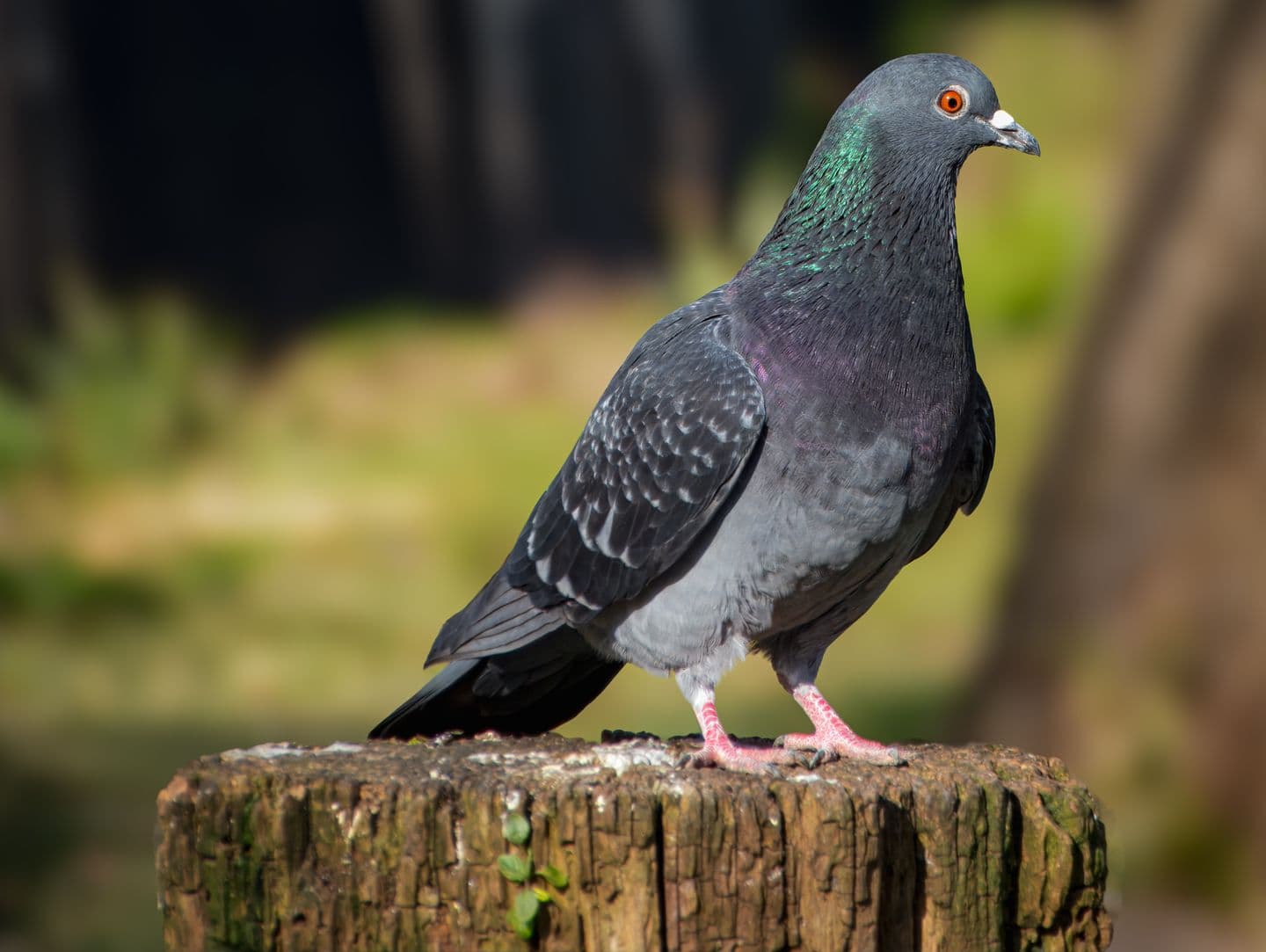
A city without trees may still have roads, buildings, shopping complexes and millions of residents. But for birds, it can become an increasingly difficult place to survive.
A city without trees may still have roads, buildings, shopping complexes and millions of residents. But for birds, it can become an increasingly difficult place to survive.
Urban trees are not merely decorative features. They provide food, nesting locations, shade, shelter and resting places. As trees disappear to make way for roads, flyovers, commercial buildings and residential developments, birds gradually lose the habitats that allow them to live alongside humans.
Trees are more than green cover
Different bird species depend on different kinds of vegetation. Large trees provide nesting sites for crows, parakeets and several raptors. Flowering trees attract sunbirds and insects. Fruit-bearing trees provide food for bulbuls, barbets and other fruit-eating birds.
Shrubs and smaller plants support ground-feeding and insect-eating species. Even dead trees can provide valuable nesting cavities for certain birds.
When urban development removes mature trees, replacing them with ornamental saplings does not immediately restore these ecological functions. A newly planted tree may take years to develop the canopy and nesting opportunities of an old one.
The disappearing food chain
Birds depend on more than trees themselves. Insects, seeds, fruits, nectar and small animals form important parts of urban food webs.
Excessive pesticide use reduces insect populations and can affect insect-eating birds. The removal of native vegetation reduces the availability of seeds and fruits. Artificially landscaped spaces may look attractive but offer limited ecological value.
Lighting and noise pollution can also interfere with feeding, communication, navigation and breeding behaviour.
Where do the birds go?
Some adaptable species move into gardens, parks, institutional campuses and remaining green spaces. Others shift towards suburban areas where vegetation is still available.
However, less adaptable species may experience declining populations as suitable habitats become fragmented. Birds that depend on particular nesting trees or food sources are especially vulnerable.
Habitat fragmentation can also isolate populations, making breeding and movement more difficult.
What cities can do differently
Urban planning must treat trees as essential ecological infrastructure rather than optional landscaping.
Cities should:
Protect mature native trees during construction and infrastructure projects.
Preserve connected green corridors along roads, lakes and parks.
Plant native, fruit-bearing and flowering species.
Retain shrubs, hedges and suitable natural vegetation.
Reduce unnecessary pesticide use.
Protect wetlands and other important bird habitats.
Conduct regular urban bird surveys.
Citizens can contribute by maintaining native plants in balconies, gardens and apartment complexes. Keeping shallow water bowls during summer and avoiding unnecessary pruning during nesting periods can also help.
A city should be measured by its biodiversity
Birds are indicators of environmental health. Their presence tells us something about the availability of food, vegetation, water and suitable habitats.
When birds disappear, the problem extends beyond their survival. It reflects the ecological cost of urban development.
A city should not have to choose between economic growth and biodiversity. Better planning can accommodate both.
The question is not simply where birds go when trees disappear. It is why we continue building cities that leave them with nowhere to go.
References
Convention on Biological Diversity. Cities and Biodiversity. https://www.cbd.int/
Street dogs are among the most visible yet misunderstood animals in Indian cities. They live outside our homes, sleep near shops, guard neighbourhoods and survive on the margins of human settlements.
A hospital is a place where people wait. Families wait for news, doctors wait for test results, and patients wait for someone to tell them that everything will be all right.