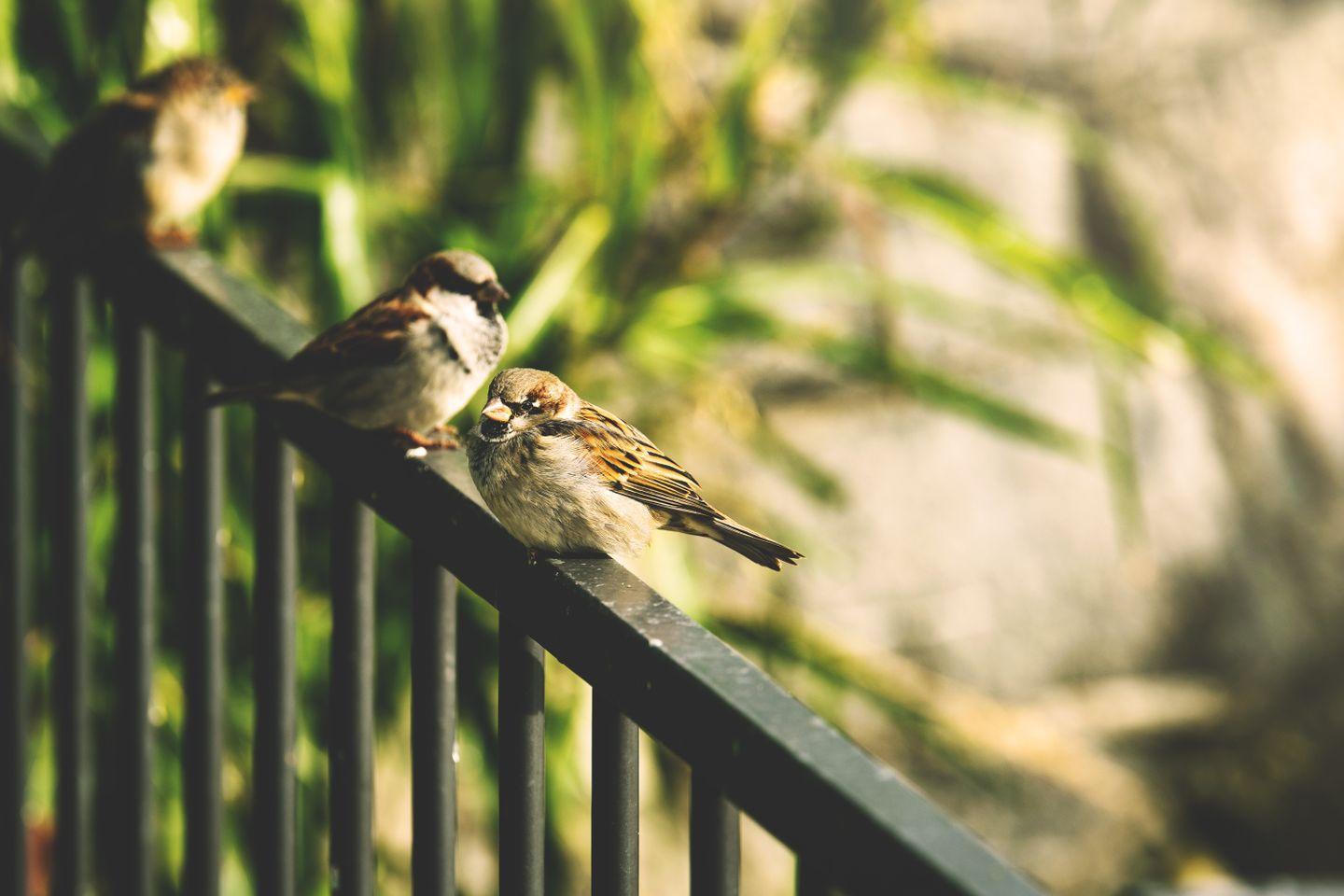
There was a time when the house sparrow was an inseparable part of Indian neighbourhoods. Their chirping could be heard outside kitchen windows, in balconies, around shops and beneath roof tiles. Smal
There was a time when the house sparrow was an inseparable part of Indian neighbourhoods. Their chirping could be heard outside kitchen windows, in balconies, around shops and beneath roof tiles. Small groups gathered around grains and nesting spaces, making them familiar companions of everyday urban life.
Today, many city residents say they rarely see them. Although house sparrows have not disappeared from India, their local abundance and distribution have changed in several urban areas. Their changing visibility raises an important question: what have our cities done to a bird that once lived so comfortably alongside humans?
The loss of nesting spaces
House sparrows traditionally nest in cavities, crevices and sheltered spaces in buildings. Older Indian houses often provided suitable nesting locations beneath roof tiles, inside ventilation openings and around wooden structures.
Modern buildings, however, frequently have smooth walls, sealed roofs, glass facades and fewer accessible cavities.
Renovation and construction can remove existing nesting sites without providing alternatives. As a result, sparrows may find it increasingly difficult to establish breeding territories.
The changing food environment
Sparrows feed on seeds and grains, while their chicks depend heavily on insects during early development.
Changes in traditional grain markets, food storage and the availability of suitable feeding areas can affect their food supply.
Pesticide use is another concern. When insect populations decline, parent birds may struggle to find sufficient food for their young.
Urban landscaping that prioritises decorative plants over native vegetation can further reduce food availability.
Are mobile towers responsible?
Electromagnetic radiation from mobile communication infrastructure has sometimes been blamed for sparrow declines. However, there is insufficient consistent scientific evidence to establish mobile towers as the principal cause of population decline.
Habitat loss, reduced nesting opportunities, changes in food availability and urban environmental changes are important factors to investigate. Conservation efforts should focus on addressing these established habitat-related pressures rather than relying on unproven explanations.
How can we help sparrows return?
Sparrow conservation does not require expensive infrastructure. Small interventions across thousands of homes can make a difference.
Residents can:
Install appropriately designed nest boxes in sheltered locations.
Provide clean drinking water in shallow containers.
Offer suitable grains in clean feeding stations.
Grow native plants that attract insects and produce seeds.
Avoid unnecessary pesticide use.
Retain safe nesting cavities during building renovations.
Keep cats away from nesting areas where possible.
Nest boxes must be cleaned and maintained appropriately. Feeding areas should also be kept hygienic to prevent disease transmission.
A small bird with a larger message
The house sparrow's changing presence is a reminder that urban development affects even the smallest inhabitants of our cities.
Conservation should not begin only when a species becomes critically endangered. It should begin when we notice that familiar wildlife is becoming less common.
A city where sparrows can nest, feed and raise their young is likely to be a city that offers better ecological conditions for many other species too.
Perhaps the return of their morning chirping would be one of the simplest signs that our cities are becoming more welcoming places for nature.
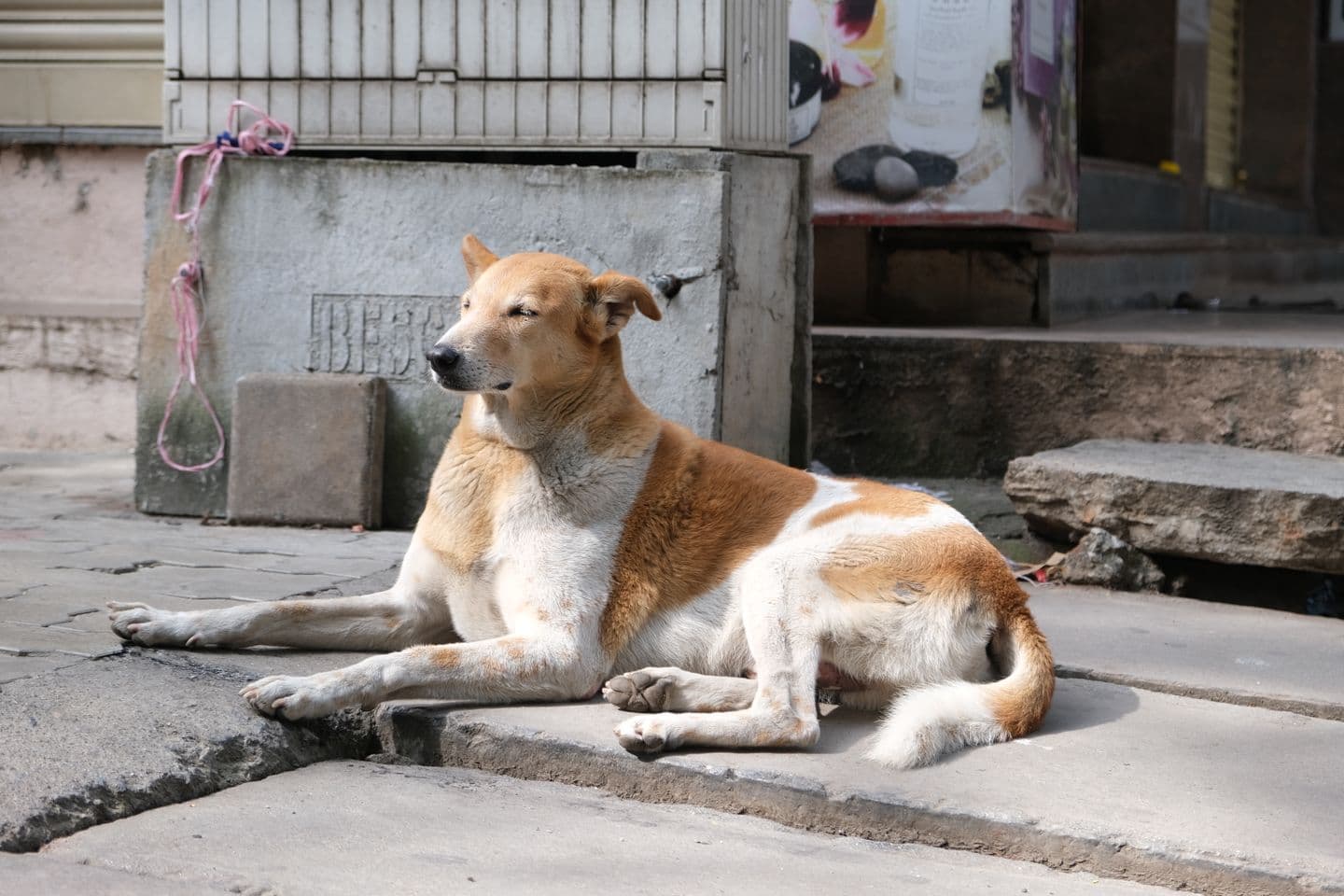
Street dogs are among the most visible yet misunderstood animals in Indian cities. They live outside our homes, sleep near shops, guard neighbourhoods and survive on the margins of human settlements.
A hospital is a place where people wait. Families wait for news, doctors wait for test results, and patients wait for someone to tell them that everything will be all right.