India's Disappearing Vultures: A Conservation Story We Cannot Ignore
Vultures are rarely celebrated. They are often associated with death, decay and unclean surroundings. Yet these birds perform one of nature's most important cleaning services. By consuming animal carc
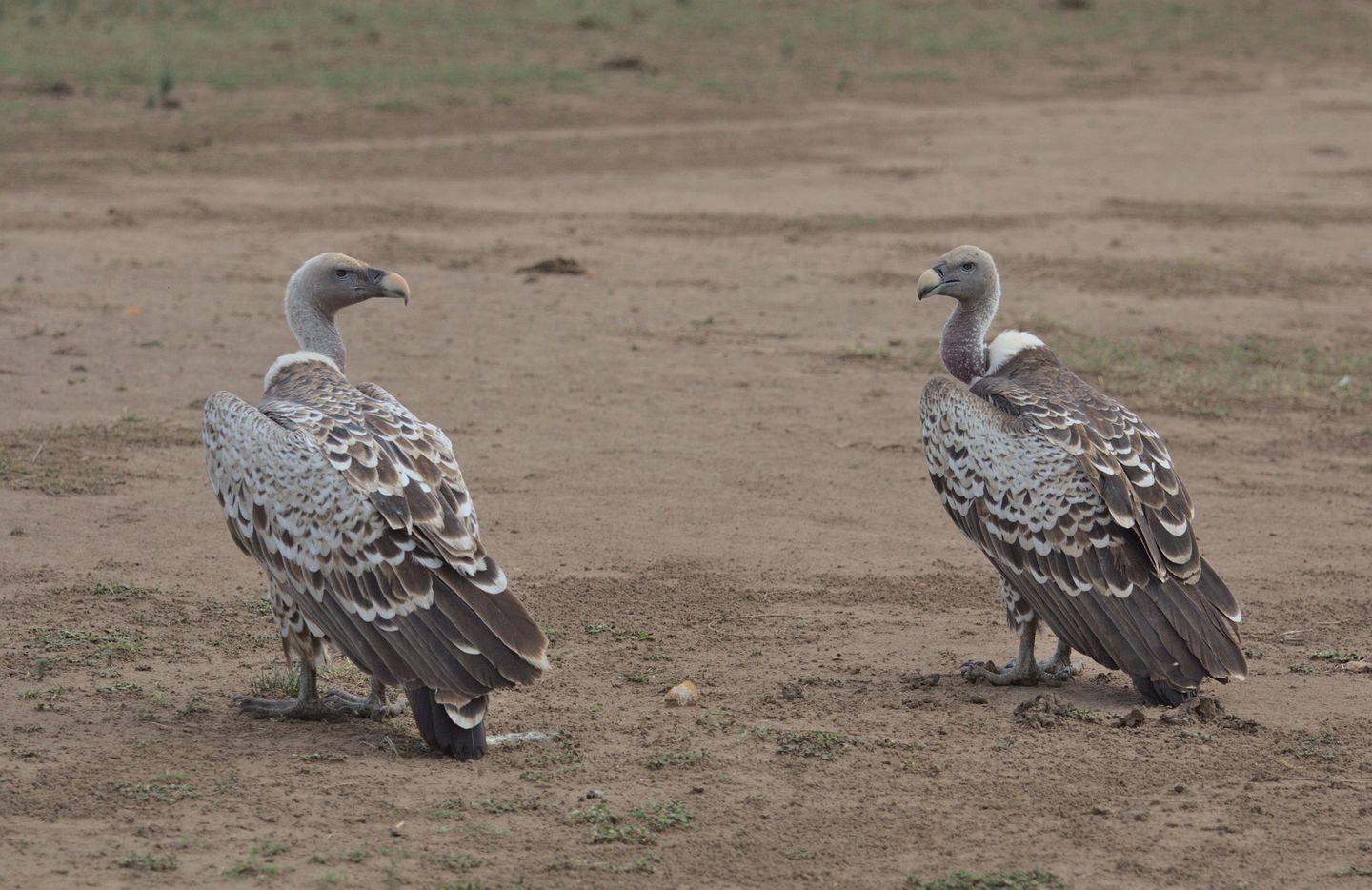
Vultures are rarely celebrated. They are often associated with death, decay and unclean surroundings. Yet these birds perform one of nature's most important cleaning services. By consuming animal carcasses, they help remove decomposing remains and contribute to the functioning of healthy ecosystems.
India's dramatic vulture decline is therefore not simply a conservation concern. It is an ecological crisis with consequences for biodiversity, livestock disposal practices and public health.
What happened to India's vultures?
During the 1990s and early 2000s, India experienced a catastrophic decline in several vulture species, particularly the white-rumped, Indian and slender-billed vultures.
The principal cause was diclofenac, a non-steroidal anti-inflammatory drug widely used in veterinary medicine to treat livestock.
When vultures consumed carcasses of cattle recently treated with diclofenac, the drug caused kidney failure and a fatal condition involving uric acid accumulation in their internal organs.
Scientific research established the connection between the drug and the population collapse.
India prohibited veterinary use of diclofenac through a government notification in 2008, following earlier regulatory action in 2006. Restrictions on multidose human diclofenac packaging were introduced in 2015 to prevent its misuse in livestock.
In July 2023, the government also prohibited the manufacture, sale and distribution of ketoprofen and aceclofenac formulations for veterinary use.
Why are vultures important?
Vultures are highly efficient scavengers. Their digestive systems allow them to consume decomposing carcasses and contribute to rapid removal of animal remains.
Their ecological contribution includes:
Rapid removal of livestock carcasses.
Reduction in the availability of carcasses to other scavengers.
Supporting natural nutrient recycling.
Limiting opportunities for certain pathogens to persist in exposed carcasses.
When vultures disappear, carcasses may remain in the environment longer. Other scavengers, including feral dogs and rats, may exploit this additional food source.
Research has also highlighted the potential public-health consequences of this ecological disruption. However, the extent of these effects varies by location and should not be assumed to be identical across India.
Why recovery remains difficult
Banning harmful drugs was essential, but it did not automatically restore vulture populations.
Other veterinary drugs must also be evaluated for their safety to scavenging birds. Veterinary practitioners and livestock owners need access to vulture-safe alternatives.
Conservation breeding programmes, population monitoring, habitat protection and vulture-safe zones are important components of recovery.
A 2024 study examining populations of three critically endangered Gyps vultures in India reported continuing concern about their extremely depleted populations. It highlighted the importance of sustained monitoring rather than assuming that the drug bans alone had solved the crisis.
What needs to happen next?
India needs stronger monitoring of veterinary drug use, enforcement of existing restrictions and greater awareness among veterinarians, livestock owners and pharmaceutical retailers.
Communities living near vulture habitats can contribute by reporting sightings, protecting nesting sites and supporting conservation organisations.
The government, scientific institutions and animal welfare organisations must work together to ensure that the mistakes responsible for the decline are not repeated.
A conservation lesson
Vultures remind us that every species has a role in nature, even those that humans find unattractive.
Their disappearance demonstrates how a decision in one sector, in this case veterinary medicine, can have devastating consequences for an entirely different part of the ecosystem.
Protecting vultures is not about saving an unpopular bird. It is about protecting the ecological systems on which all living beings depend.
References
Prakash, V. et al. (2024). Recent trends in populations of Critically Endangered Gyps vultures in India. Bird Conservation International. https://doi.org/10.1017/S0959270923000394
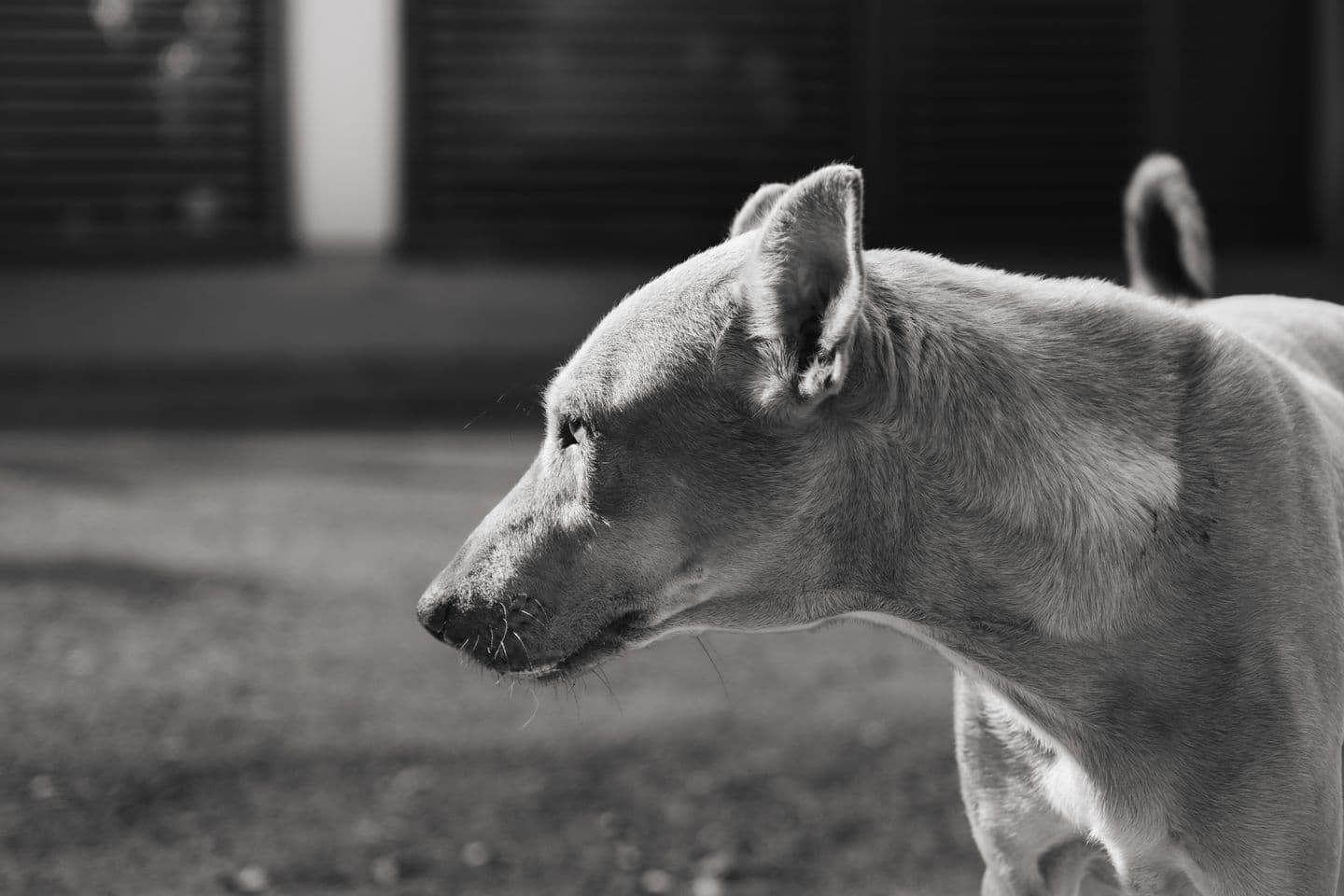
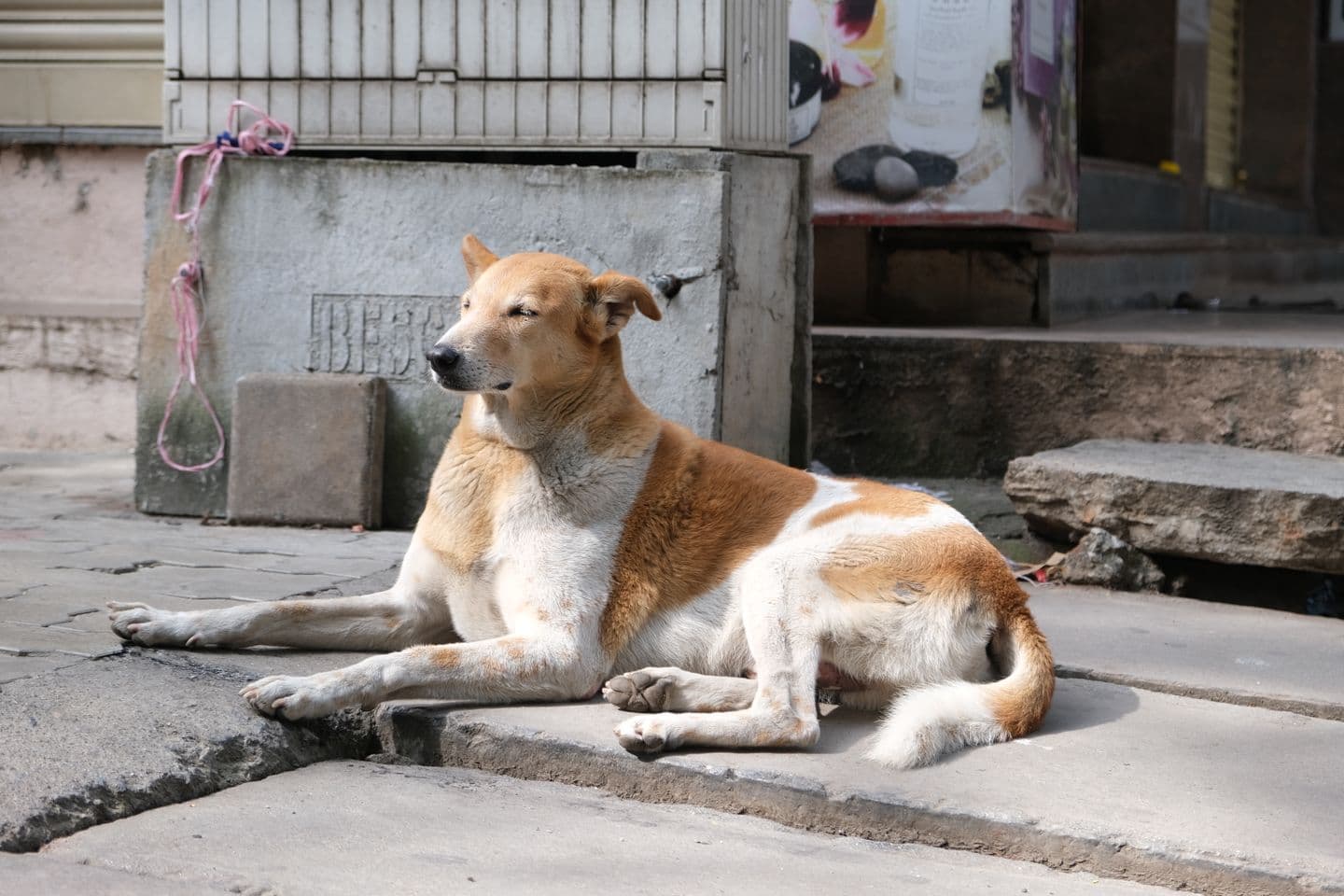
Street dogs are among the most visible yet misunderstood animals in Indian cities. They live outside our homes, sleep near shops, guard neighbourhoods and survive on the margins of human settlements.
A hospital is a place where people wait. Families wait for news, doctors wait for test results, and patients wait for someone to tell them that everything will be all right.