India's summers are becoming increasingly challenging for people and animals alike. Heatwaves, rising temperatures and prolonged periods without rainfall create dangerous conditions for animals that c
India's summers are becoming increasingly challenging for people and animals alike. Heatwaves, rising temperatures and prolonged periods without rainfall create dangerous conditions for animals that cannot escape the heat or access reliable drinking water.
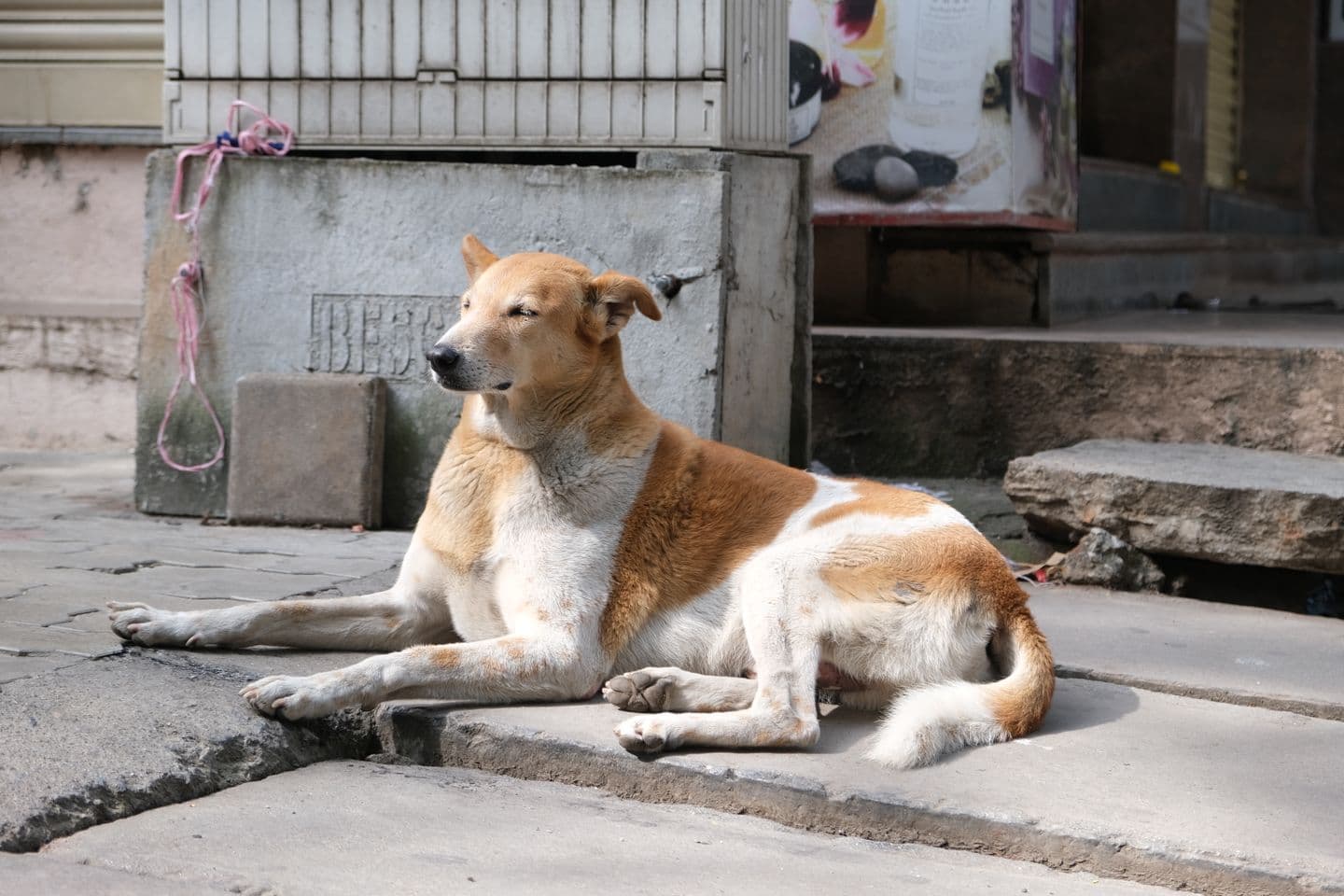
While people can seek shelter indoors, street animals, birds and urban wildlife must find ways to survive in an increasingly hostile environment.
For many animals, extreme heat is not merely uncomfortable. It can become life-threatening.
The struggle for water
Water is one of the most immediate requirements during a heatwave.
Street dogs and cats often depend on water sources such as roadside puddles, leaking taps and containers left by residents. These sources can disappear quickly during dry weather.
Birds face similar challenges. Small birds lose water rapidly and need regular access to drinking water. Natural water bodies may also shrink, while polluted sources can expose animals to additional health risks.
Providing clean water in shallow, stable containers can make a meaningful difference. These should be placed in shaded locations and cleaned and refilled regularly.
Heatstroke is a serious danger
Dogs cannot regulate body temperature through sweating in the same way humans do. They rely largely on panting and limited sweating through their paw pads.
During extreme temperatures, these cooling mechanisms may become insufficient.
Warning signs of heat stress in dogs include:
Excessive or unusually heavy panting.
Thick or excessive drooling.
Weakness and lethargy.
Rapid heartbeat.
Vomiting or disorientation.
Collapse or seizures in severe cases.
Cats may show excessive grooming, restlessness, lethargy or rapid breathing. Birds may pant with their beaks open and hold their wings away from their bodies.
What to do when an animal suffers heatstroke
Suspected heatstroke is a veterinary emergency.
Move the animal to a cooler, shaded and ventilated location. Begin gentle cooling with cool or room-temperature water, particularly over the body, while arranging immediate veterinary assistance.
Avoid ice baths, excessive cold exposure and forcing water into an unconscious animal. Do not assume that an animal has recovered simply because its breathing appears to improve.
Urban wildlife is equally vulnerable
Bats, squirrels, monkeys and other urban wildlife depend on trees, natural cavities and water sources.
When trees are removed, animals lose not only habitat but also shade. Concrete surfaces absorb and retain heat, creating urban heat islands where temperatures can remain elevated even after sunset.
Animals may also be forced to travel farther in search of water and food, increasing their exposure to traffic and human conflict.
How citizens can help
Small interventions can protect animals during extreme weather.
Keep clean drinking water in shaded locations.
Provide access to cool, ventilated shelter.
Avoid leaving pets in parked vehicles.
Never tie animals in direct sunlight without shade and water.
Avoid strenuous walks with dogs during peak afternoon temperatures.
Protect trees and natural vegetation.
Report animals showing signs of heatstroke to veterinary professionals or rescue organisations.
Water bowls should be placed where they do not obstruct pedestrians or create road hazards.
A responsibility that extends beyond pets
Heatwaves reveal how vulnerable urban animals are to environmental changes caused by human activity.
The responsibility to protect them cannot rest only with animal lovers or rescue organisations. Municipal authorities, resident associations, businesses and individual citizens all have a role.
A bowl of clean water, a shaded resting space or a timely rescue may seem like a small act. During an extreme heatwave, it could mean the difference between life and death.
References
Animal Welfare Board of India. Request to Ensure Care and Protection of Animals from Direct Heat During Extreme Hot Weather Conditions, 4 May 2026. https://awbi.gov.in/circulars
Street dogs are among the most visible yet misunderstood animals in Indian cities. They live outside our homes, sleep near shops, guard neighbourhoods and survive on the margins of human settlements.
A hospital is a place where people wait. Families wait for news, doctors wait for test results, and patients wait for someone to tell them that everything will be all right.