Cities are often described as concrete jungles, but they are also home to a surprising variety of wildlife. Beyond domestic pets and familiar street animals, many species quietly inhabit our neighbour
Cities are often described as concrete jungles, but they are also home to a surprising variety of wildlife. Beyond domestic pets and familiar street animals, many species quietly inhabit our neighbourhoods, parks, gardens, drains, abandoned buildings and lakesides.
Bats fly over apartment complexes, civets move through gardens at night, snakes shelter in undisturbed spaces and mongooses hunt among vegetation.
These animals are not necessarily visitors from distant forests. In many cases, urban and peri-urban environments have become part of their habitats.
Bats: The night-time residents
Fruit bats and smaller insect-eating bats are important components of urban ecosystems.
Fruit bats feed on fruits and nectar, helping with seed dispersal and pollination. Insect-eating bats consume large numbers of insects.
They frequently roost in large trees, caves and suitable structures. However, tree removal, habitat disturbance and deliberate persecution can threaten their colonies.
Despite their ecological importance, bats are often feared because of misconceptions about disease transmission. People should avoid touching bats or disturbing their colonies. An injured or grounded bat should be referred to a trained wildlife rescuer.
Civets: The elusive neighbours
Civets are nocturnal mammals that may inhabit urban green spaces and areas adjoining natural habitats.
They generally avoid human contact and become active after dark. Their diet can include fruits, insects and small animals.
As trees and natural vegetation disappear, civets may enter residential compounds while searching for food or shelter.
Leaving garbage uncovered and deliberately feeding wildlife can encourage unwanted interactions. A better approach is to secure waste and preserve natural vegetation.
Snakes: More than a frightening encounter
Snakes are among the most misunderstood urban animals.
Indian cities support several species, including rat snakes, cobras, kraits and various non-venomous snakes. Their presence can help regulate populations of rodents and other small animals.
Encounters may increase during the monsoon when flooding and changes in shelter conditions can drive snakes into buildings and other human spaces.
A 2024 study of urban Delhi documented 372 individual snakes belonging to 15 species during a 41-month survey. The researchers recorded encounters in residential streets, parks, buildings and drainage networks. The findings demonstrate that urban environments can support diverse snake populations. They should not, however, be interpreted as a national estimate.
If a snake enters a house, residents should move away, keep children and pets at a safe distance and contact trained rescuers. Attempting to catch or kill it can result in bites and unnecessary animal deaths.
Mongooses: Natural rodent controllers
Mongooses are adaptable mammals that may be found around scrubland, gardens and urban green spaces.
They feed on rodents, insects, reptiles and other small animals. Their presence contributes to the ecological balance of urban environments.
They should not be trapped, chased or fed by residents.
Learning to coexist
Urban wildlife encounters are likely to increase as cities expand into natural habitats.
The solution is not to eliminate wildlife but to reduce conflict through better urban planning and responsible behaviour.
Citizens can help by:
Protecting mature trees and natural vegetation.
Securing garbage and food waste.
Avoiding unnecessary wildlife feeding.
Keeping pets supervised.
Never handling wild animals.
Contacting authorised rescue organisations when animals are injured or trapped.
Municipal authorities must also protect green corridors, lakes, wetlands and remaining natural habitats.
Sharing our cities
The presence of wildlife in urban environments is not necessarily evidence of an ecological problem. It can also indicate that nature continues to survive alongside human development.
We need to understand that cities do not belong exclusively to people. They are shared spaces, and the animals living within them deserve the opportunity to exist without unnecessary fear, injury or persecution.
References
Barhadiya, G. et al. (2024). Spatial and temporal assessment of snake encounters in urban Delhi, India. Scientific Reports, 14, 5506. https://doi.org/10.1038/s41598-023-50373-0
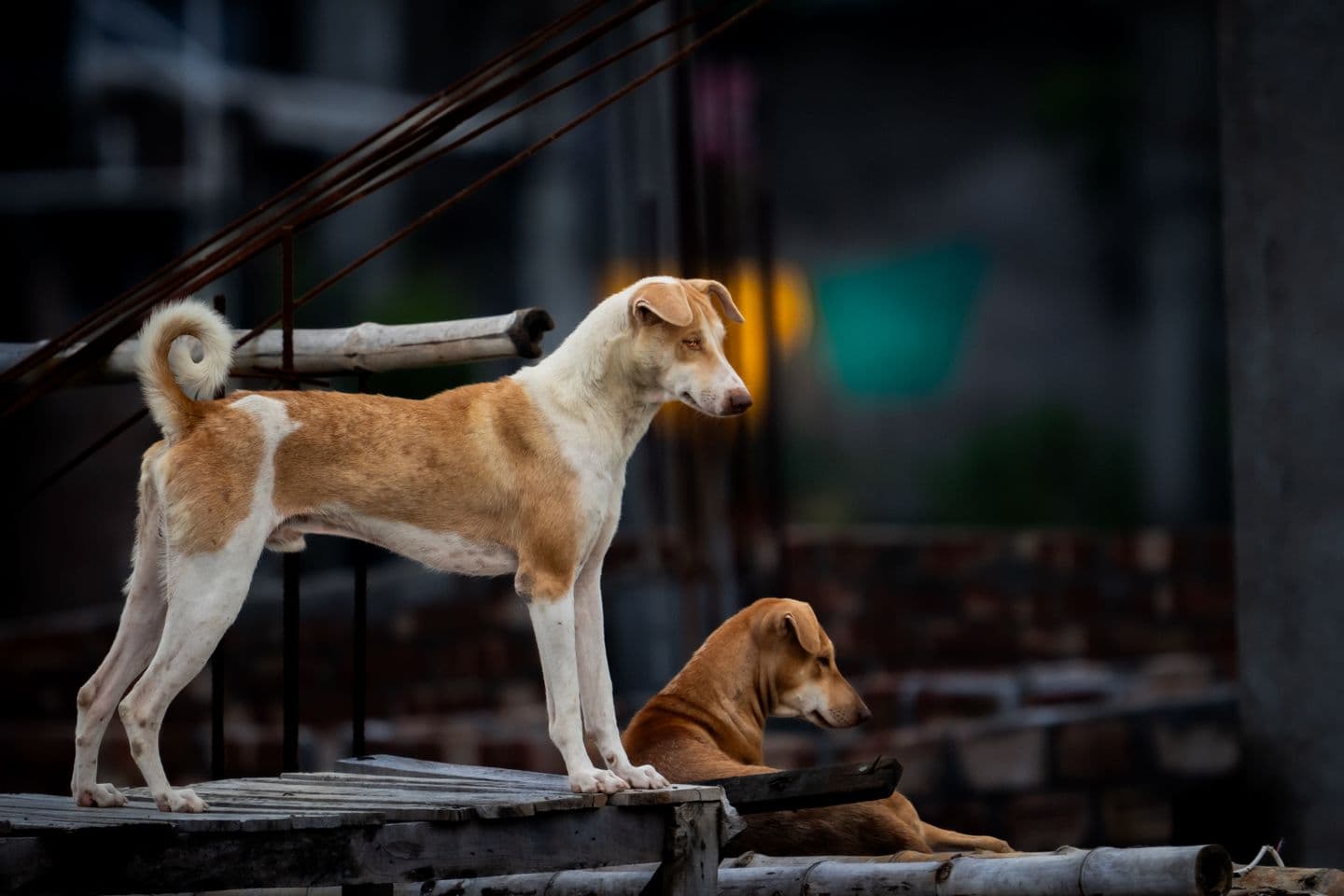
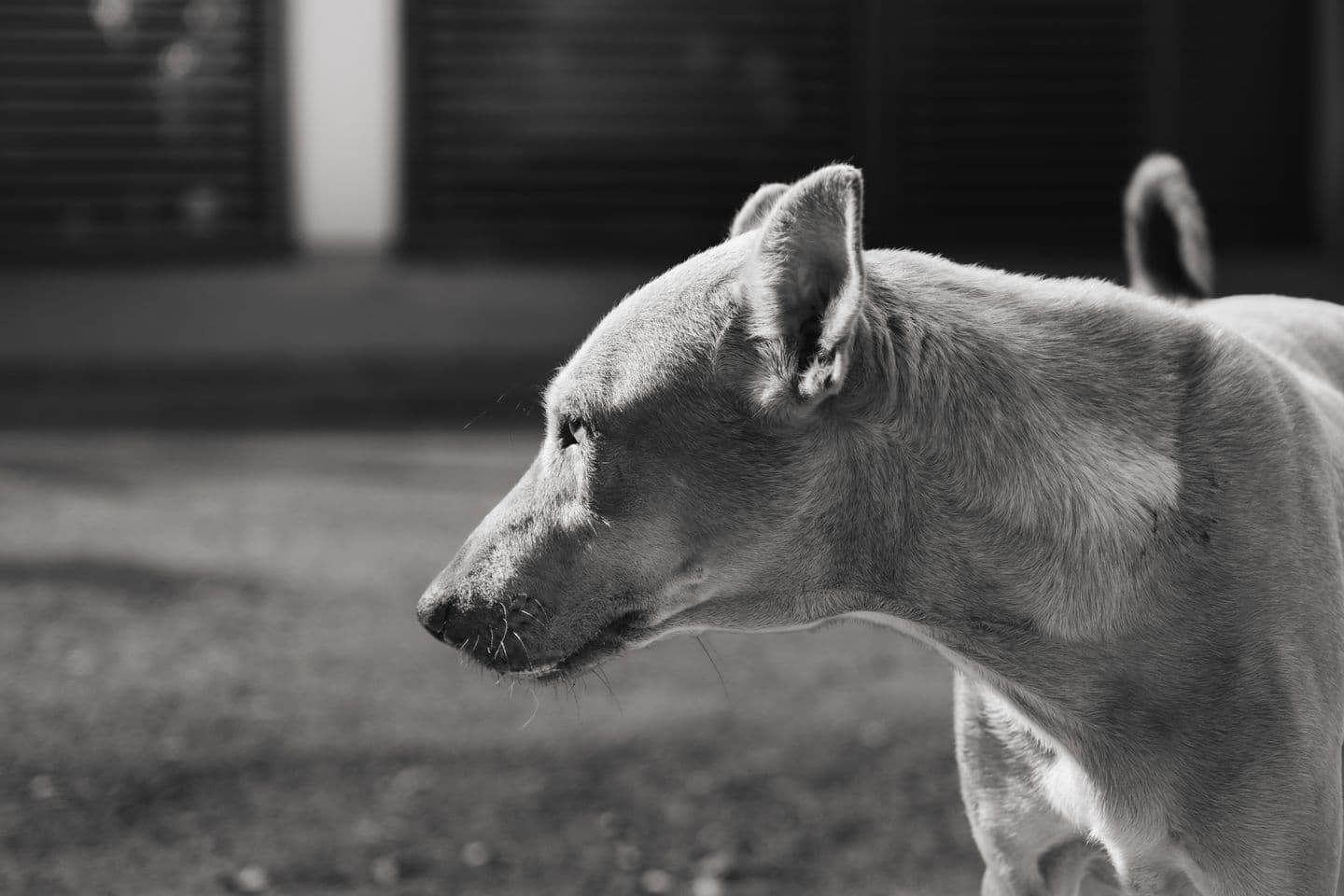
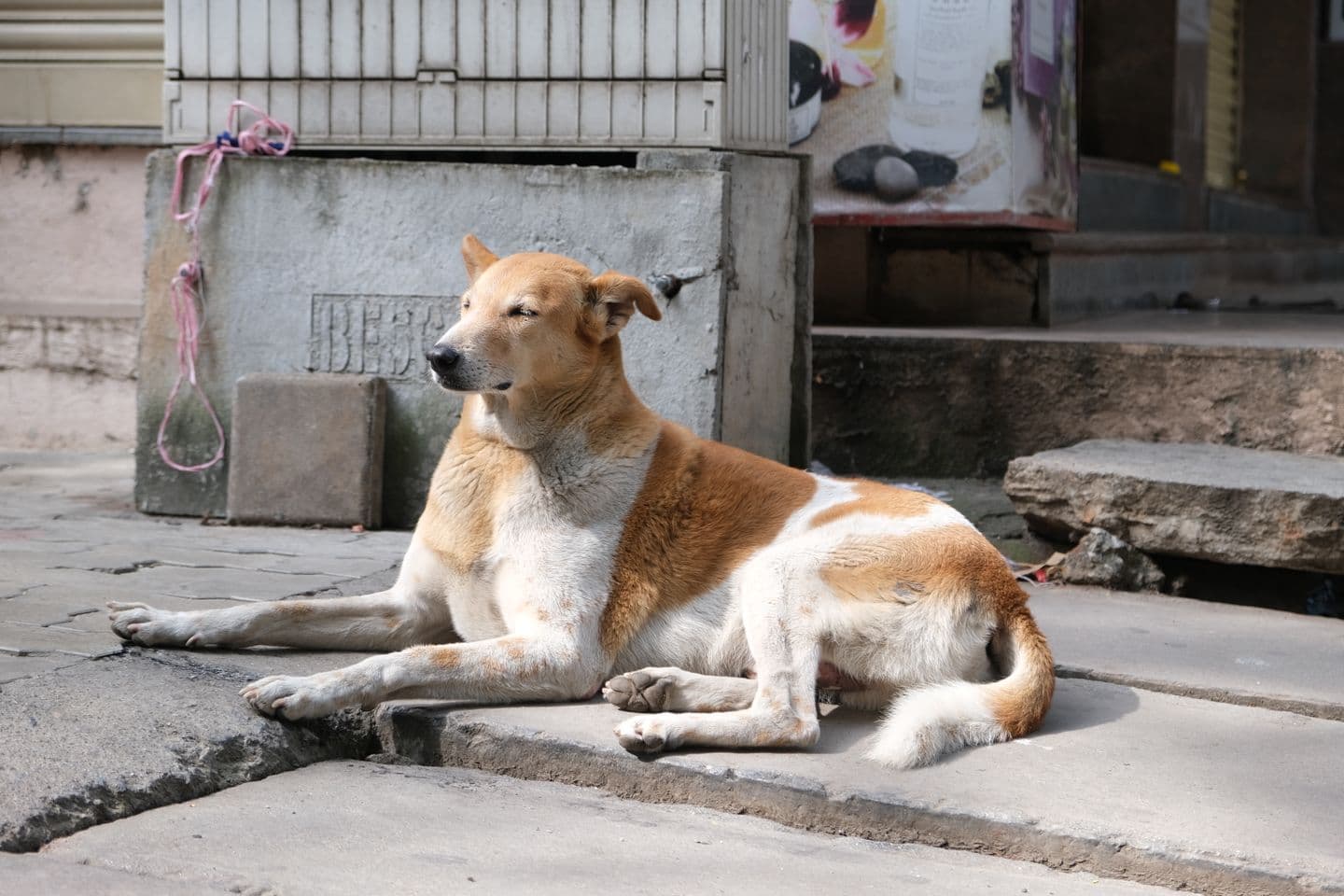
Street dogs are among the most visible yet misunderstood animals in Indian cities. They live outside our homes, sleep near shops, guard neighbourhoods and survive on the margins of human settlements.
A hospital is a place where people wait. Families wait for news, doctors wait for test results, and patients wait for someone to tell them that everything will be all right.