Adoption Is Not an Act of Charity. It Is an Act of Responsibility
Bringing an animal home is often described as a beautiful act of kindness. Adoption campaigns show photographs of rescued puppies, grateful dogs and affectionate cats finding loving families. These st
Bringing an animal home is often described as a beautiful act of kindness. Adoption campaigns show photographs of rescued puppies, grateful dogs and affectionate cats finding loving families. These stories are real, but they represent only one part of adoption.
The more important question is not whether we can give an animal a home. It is whether we can remain responsible for that animal throughout its life.
Adoption is not a temporary expression of compassion. It is a long-term commitment.
The excitement of bringing an animal home
A newly adopted puppy or kitten can bring enormous happiness. There is the excitement of choosing a name, preparing a sleeping area and introducing the animal to family members.
But the adjustment period can be challenging.
An adopted dog may be frightened by unfamiliar sounds. A rescued cat may hide for days. Some animals may have experienced neglect, hunger or abuse. Others may simply be uncomfortable in an unfamiliar environment.
House training, socialisation, feeding schedules and veterinary visits require patience. Behavioural challenges may emerge only after the animal begins feeling secure.
Adoption requires understanding that an animal's past cannot be erased simply by changing its surroundings.
The responsibilities people often underestimate
Before adopting, prospective pet parents must consider several practical factors.
Time: Dogs need exercise, companionship, training and regular attention. Cats also need stimulation, interaction and a suitable environment.
Money: Food, vaccinations, sterilisation, preventive healthcare, grooming and unexpected medical emergencies involve recurring expenses.
Space: The home must provide an appropriate environment for the animal's species, size, temperament and activity levels.
Family agreement: Everyone in the household should be comfortable with the decision.
Travel and lifestyle: Arrangements must exist for the animal when family members travel or work long hours.
Long-term care: An animal may live for 10–15 years or longer, depending on the species and individual.
A decision based entirely on emotion, without considering these responsibilities, can eventually lead to abandonment.
Why adopting an adult animal deserves consideration
Many people prefer puppies and kittens because they believe younger animals are easier to train or bond with. However, adult animals can make excellent companions.
Their personalities are often more established. Their activity levels may be easier to assess, and some may already be house-trained or accustomed to living with people.
Older animals also tend to wait longer for adoption. Giving them a home can transform the final years of their lives.
Responsible adoption begins before the adoption day
A good adoption process should include an understanding of the animal's health, temperament, vaccination history and special requirements.
Adoption organisations should help prospective families make informed decisions. They should also provide guidance on settling the animal into its new environment.
Foster-to-adopt arrangements, where available, can help establish whether the household and animal are compatible.
Adoption should never be treated as an impulse purchase or an emotional decision made after seeing a photograph on social media.
A commitment that cannot be returned
There will be difficult days. Animals fall sick, grow old, develop behavioural problems and sometimes require expensive treatment. They may damage furniture, create inconvenience or need more attention than initially expected.
Responsible pet parenting means accepting these realities.
An adopted animal does not understand promises, but it experiences their consequences. It depends on its human family for food, safety, healthcare and companionship.
Adoption is not charity because the animal is not receiving a favour that can be withdrawn at convenience. It is an agreement to take responsibility for another living being.
The real success of adoption is not the photograph taken on the day an animal comes home. It is the love, security and care that continue years later.
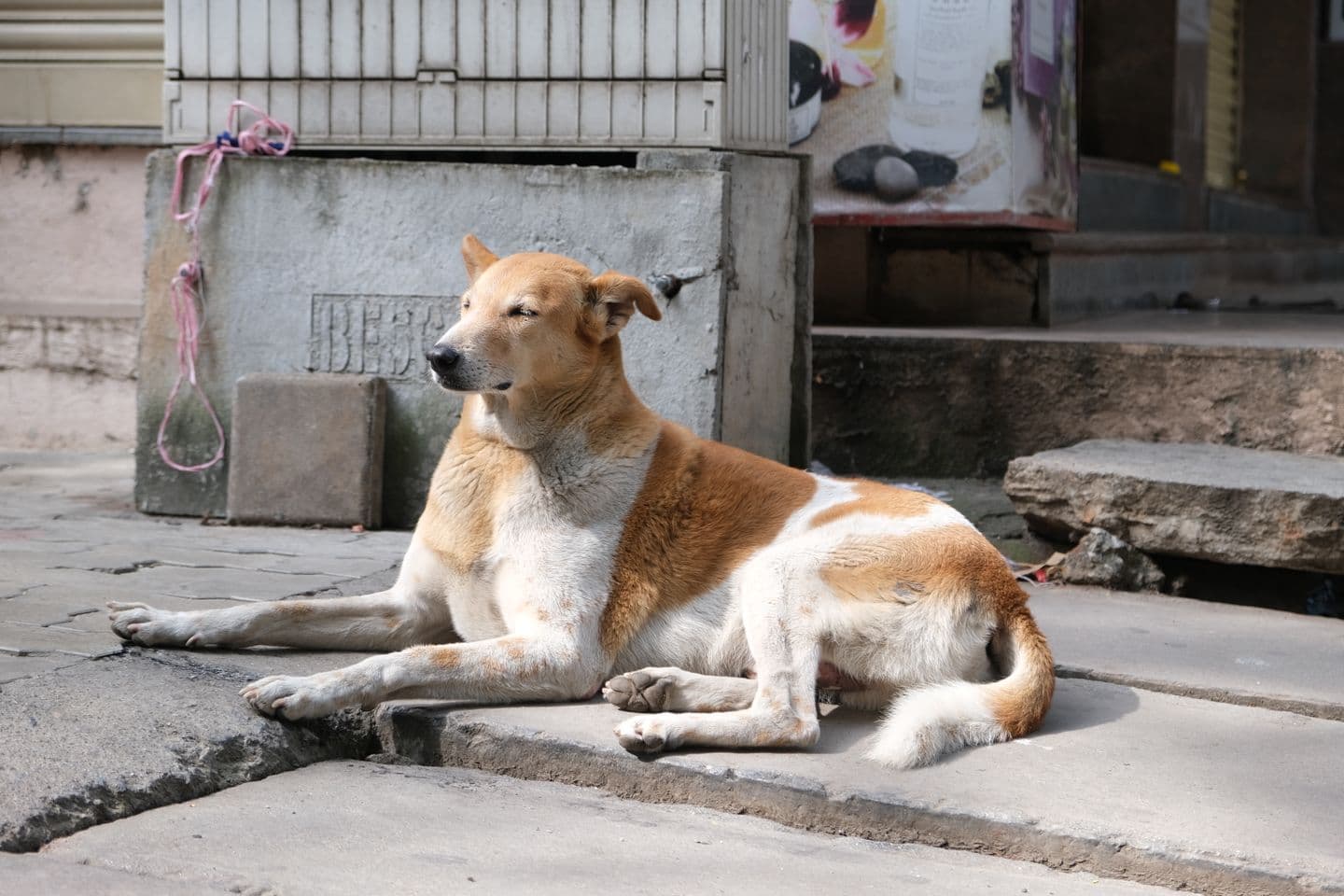
Street dogs are among the most visible yet misunderstood animals in Indian cities. They live outside our homes, sleep near shops, guard neighbourhoods and survive on the margins of human settlements.
A hospital is a place where people wait. Families wait for news, doctors wait for test results, and patients wait for someone to tell them that everything will be all right.