Travelling with Pets by Train, Flight and Car in India
Travelling with a pet requires considerably more preparation than booking a ticket for yourself. Transport regulations, carrier requirements, vaccination records and the animal's ability to tolerate t
Travelling with a pet requires considerably more preparation than booking a ticket for yourself. Transport regulations, carrier requirements, vaccination records and the animal's ability to tolerate travel must all be considered.
The safest journey is one in which convenience never takes priority over the animal's welfare.
Travelling by train
Indian Railways permits dogs to travel with passengers in AC First Class or First Class, provided the entire two-berth coupe or four-berth cabin is allotted exclusively to the passenger or group travelling with the dog.
Dogs can also be booked in designated dog boxes in certain luggage-cum-brake vans, subject to availability and railway rules. The owner remains responsible for feeding and caring for the animal during the journey.
IRCTC also provides an online booking facility for dogs and cats, subject to its applicable conditions. Small puppies and kittens carried in baskets have separate provisions. Always confirm the latest arrangements with the originating railway station.
Travelling by flight
Airline policies differ significantly. Air India, for example, permits eligible cats and dogs in the cabin or aircraft hold, subject to weight, carrier and documentation requirements.
Its published policy allows pets weighing up to 10 kg, including the carrier, in the cabin. Heavier animals may travel as checked baggage or cargo, depending on weight and eligibility.
Passengers generally need vaccination records, a veterinary health certificate, rabies vaccination documentation and airline-specific forms. Advance approval is essential.
Do not assume that all airlines accept pets or that a pet can travel on every route. Confirm the policy directly with the airline before purchasing your ticket.
Travelling by car
Car travel offers greater flexibility but requires safety precautions.
Use a crash-tested harness or appropriately secured travel crate.
Never allow a dog to sit on the driver's lap.
Keep cats in secure carriers.
Stop regularly for water, toilet breaks and movement.
Avoid feeding large meals immediately before departure if the animal experiences motion sickness.
Never leave a pet unattended inside a parked vehicle.
Preparing your pet
Introduce the carrier or crate several weeks before departure. Start with short journeys and gradually increase their duration.
Carry vaccination records, prescriptions, food, water, bowls, waste bags, a familiar blanket and emergency contact details.
For international travel, additional export and import permissions, quarantine requirements and health documentation may apply.
A journey is successful not simply when you reach your destination, but when your pet arrives safely and comfortably.
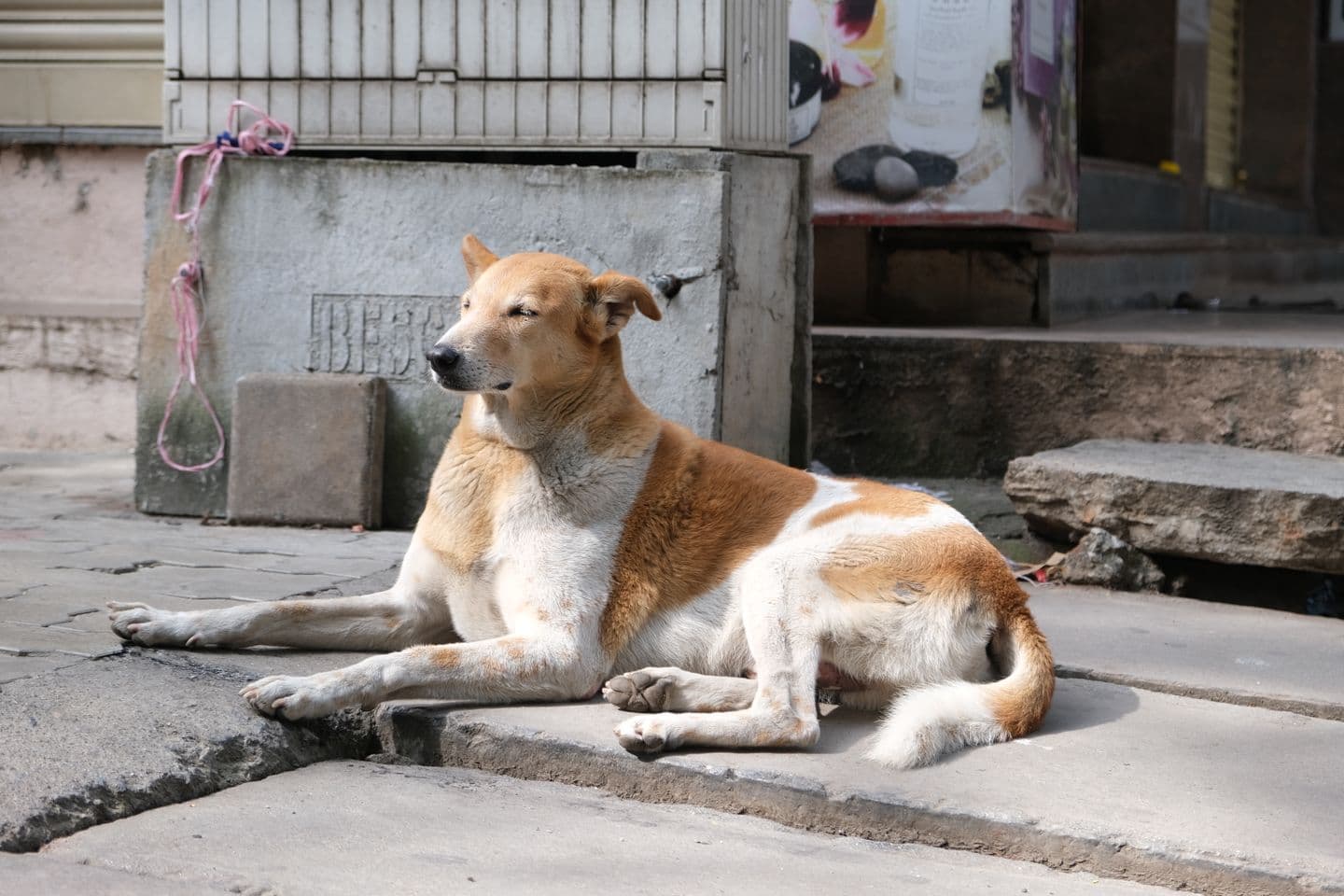
Street dogs are among the most visible yet misunderstood animals in Indian cities. They live outside our homes, sleep near shops, guard neighbourhoods and survive on the margins of human settlements.
A hospital is a place where people wait. Families wait for news, doctors wait for test results, and patients wait for someone to tell them that everything will be all right.