The Monsoon Survival Guide for India's Street Animals
The monsoon brings relief from India's scorching summer temperatures. For street animals, however, the arrival of heavy rain can introduce a different set of survival challenges.
The monsoon brings relief from India's scorching summer temperatures. For street animals, however, the arrival of heavy rain can introduce a different set of survival challenges.
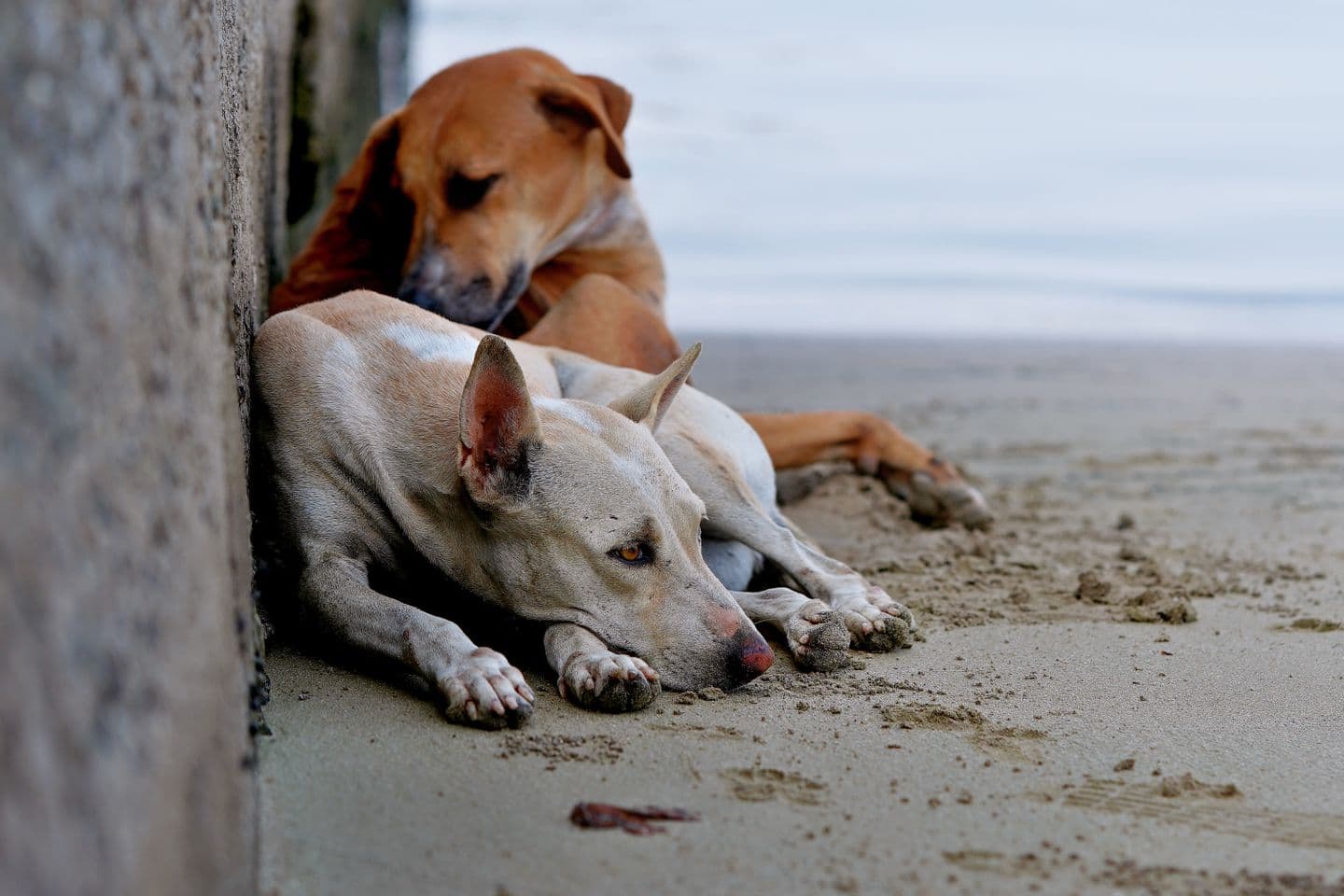
Unlike household pets, street dogs and cats cannot always find a dry place to rest. Their usual sleeping locations may become flooded, food sources become inaccessible and continuous exposure to wet conditions can affect their health.
For animals already struggling with poor nutrition, injuries or illness, the monsoon can be particularly difficult.
Finding shelter becomes a daily struggle
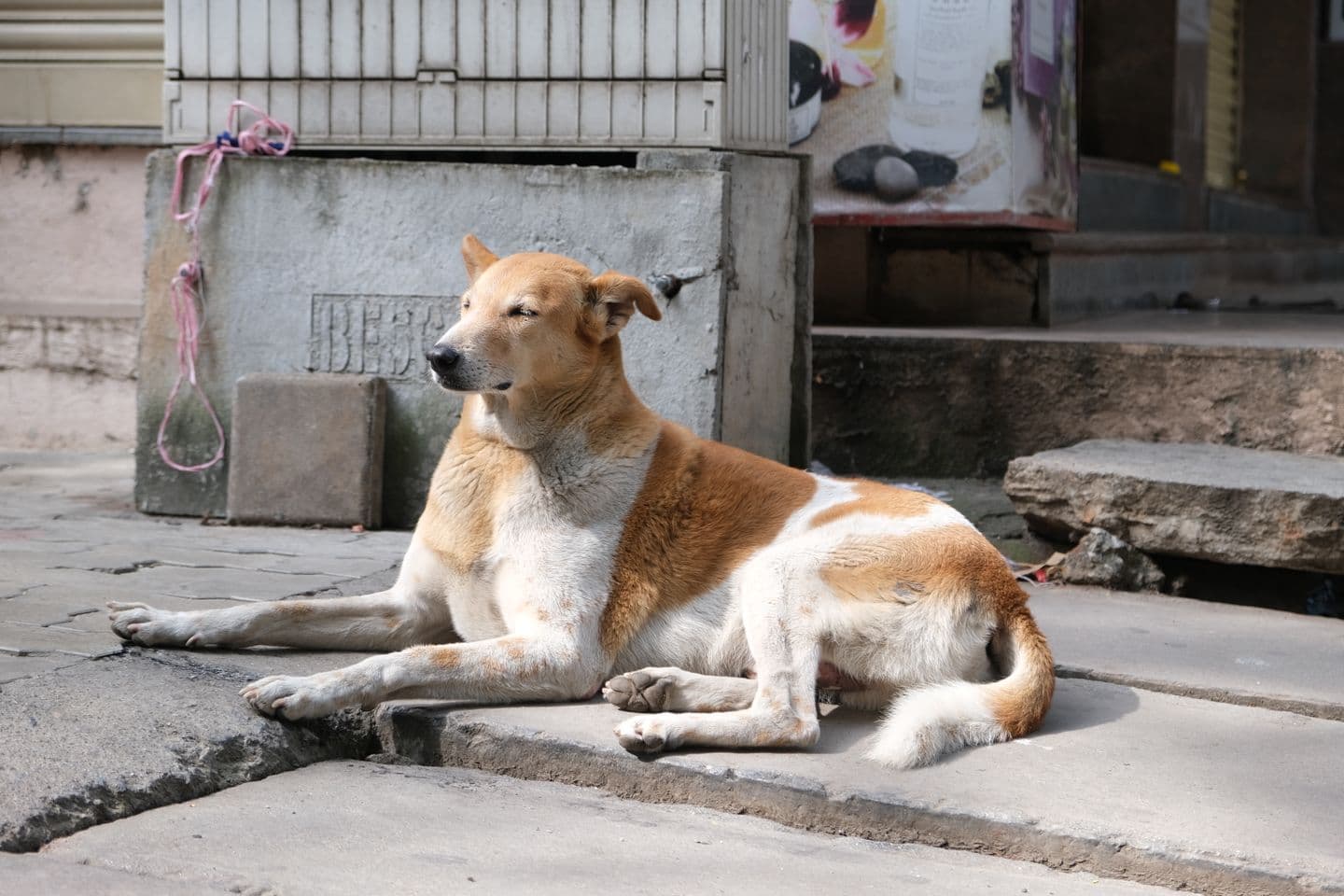
Street dogs frequently rest near shops, parking areas, building entrances and roadside structures. Heavy rainfall can make these spaces unusable.
Flooding is an even greater danger. Animals may become trapped in waterlogged areas, drains or low-lying roads.
Senior animals, puppies, disabled dogs and sick animals are particularly vulnerable because they may not be able to move quickly to safer locations.
Residents and apartment associations can help by identifying safe, temporary shelters in suitable areas.
These shelters should be:
Located on higher ground.
Protected from direct rainfall.
Properly ventilated.
Away from traffic and waterlogged areas.
Positioned without obstructing public access.
Food and drinking water
Rain can disrupt regular feeding routines. Food left outdoors may become contaminated by dirty water, insects and other pollutants.
Feeding volunteers should provide fresh food in sheltered locations and remove uneaten leftovers promptly.
Clean drinking water should remain available even during the rainy season. Rainwater collected in open containers may become contaminated.
Health problems during the monsoon
Prolonged exposure to damp conditions can aggravate skin problems and contribute to infections.
Animals may also develop:
Wounds and infections from contaminated water.
Tick and flea infestations.
Gastrointestinal problems.
Foot injuries from broken glass and debris.
Respiratory illness, particularly in vulnerable animals.
Puppies and kittens need special attention because their immunity and ability to regulate body temperature are less developed.
Persistent diarrhoea, vomiting, breathing difficulty, severe weakness or infected wounds require veterinary attention.
What citizens can do
A few simple steps can make neighbourhoods safer for street animals.
Provide temporary dry shelters.
Keep feeding locations clean and accessible.
Report injured or stranded animals.
Help move animals away from flood-prone areas when it is safe to do so.
Support local animal rescue groups.
Avoid driving through flooded roads at speeds that may endanger animals.
Never abandon pets because of travel or monsoon-related inconvenience.
During severe flooding, people should not enter dangerous water or attempt risky rescues without trained assistance.
The role of authorities
Municipal corporations, animal welfare organisations and disaster response teams must coordinate during periods of heavy rainfall.
The Animal Welfare Board of India issued a specific advisory on 14 July 2026 requesting temporary shelter and protection for stray animals during the monsoon. This reinforces the need for local authorities and communities to plan for animal welfare as part of disaster preparedness.
Local authorities should identify flood-prone animal habitats, establish emergency veterinary support and coordinate rescue arrangements.
A season of compassion
Monsoon preparedness is generally discussed in terms of human safety, infrastructure and flood management. Animal welfare deserves equal consideration.
A dry resting place, uncontaminated food and timely medical attention can prevent considerable suffering.
Street animals cannot prepare for the monsoon themselves. The responsibility lies with the communities and institutions that share their environment.
References
Animal Welfare Board of India. Request to Provide Temporary Shelter and Safeguard Stray Animals During the Monsoon Season, 14 July 2026. https://awbi.gov.in/circulars
Street dogs are among the most visible yet misunderstood animals in Indian cities. They live outside our homes, sleep near shops, guard neighbourhoods and survive on the margins of human settlements.
A hospital is a place where people wait. Families wait for news, doctors wait for test results, and patients wait for someone to tell them that everything will be all right.