The Stray Cat Population: Why Trap-Neuter-Return Matters
Street cats are a familiar sight in many Indian neighbourhoods. They live around apartment complexes, markets, restaurants, parking areas and residential streets. Some are cared for by residents, whil
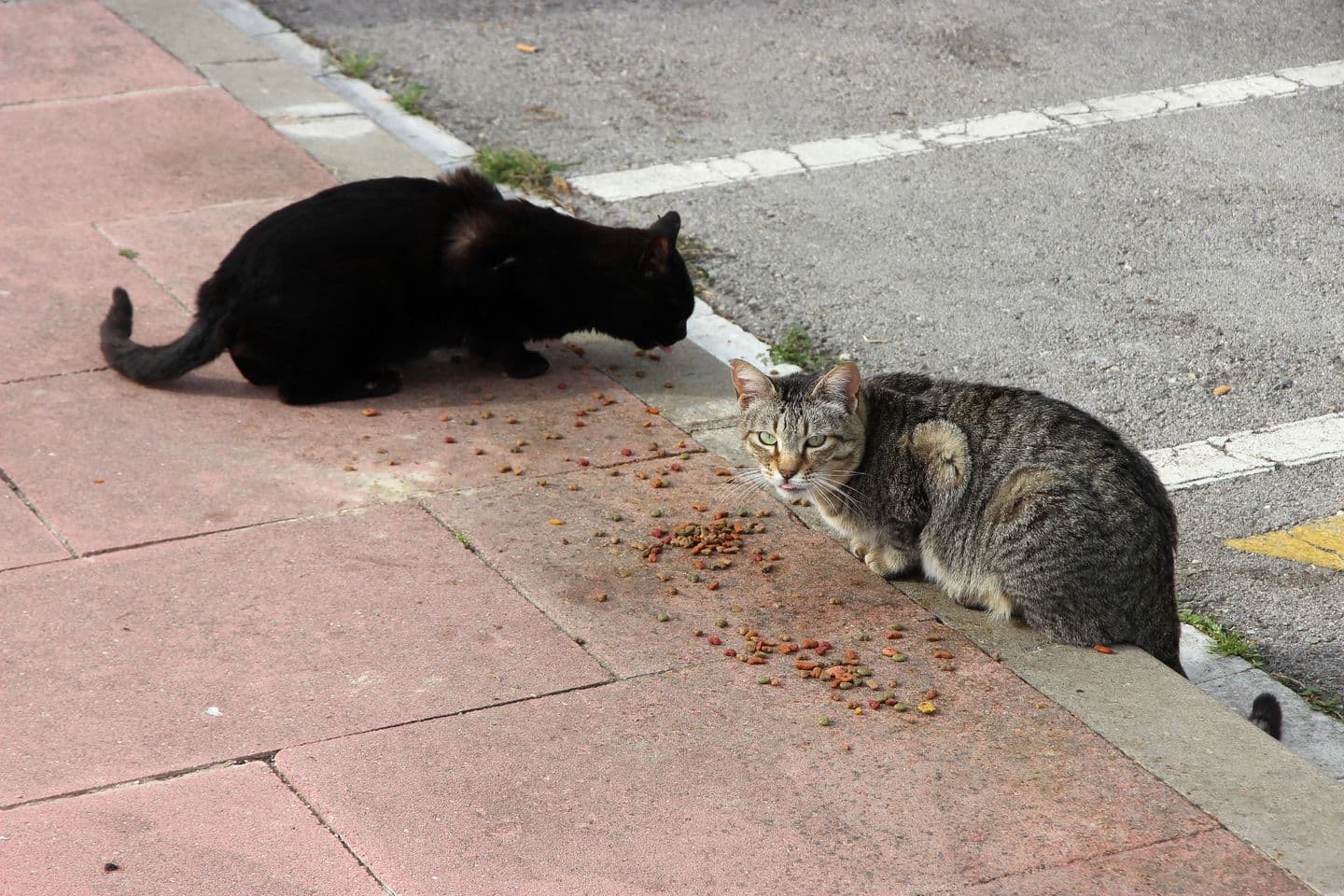
Street cats are a familiar sight in many Indian neighbourhoods. They live around apartment complexes, markets, restaurants, parking areas and residential streets. Some are cared for by residents, while others survive by scavenging for food.
As their numbers increase, communities often struggle with concerns about noise, sanitation, territorial behaviour and the welfare of kittens born outdoors.
Removing cats from neighbourhoods, however, is rarely a sustainable solution. A more humane and scientifically informed approach is Trap-Neuter-Return (TNR).
Understanding the street cat population
Unsterilised cats can reproduce rapidly. Female cats may become pregnant several times a year, depending on their age, health and environmental conditions.
When kittens are born outdoors, many face considerable risks. They may suffer from malnutrition, infections, road accidents, attacks by other animals and exposure to extreme weather.
Simply removing cats from an area does not necessarily prevent others from occupying the same territory. Where food and shelter remain available, new cats may move in and reproduce.
This phenomenon is sometimes called the vacuum effect. It is one reason why removal without addressing the conditions supporting the population may not provide lasting results.
What is Trap-Neuter-Return?
Trap-Neuter-Return is a humane population management programme involving three important steps.
1. Trap
Cats are safely captured using humane traps operated by trained individuals. The process should minimise stress and avoid injuries.
2. Neuter
The cats undergo veterinary examination and sterilisation surgery. They should also receive appropriate vaccinations, parasite treatment and post-operative care.
3. Return
After recovery, healthy community cats are returned to their original territories, subject to applicable legal requirements and veterinary assessment.
Returning them to familiar locations helps maintain territorial stability and avoids unnecessary relocation.
Sterilised cats can no longer reproduce, gradually reducing population growth over time.
Why is TNR important?
TNR offers several potential benefits:
Prevents unwanted litters.
Reduces mating-related behaviours such as yowling and fighting.
Helps reduce the number of kittens exposed to disease and starvation.
Reduces pressure on animal shelters.
Allows established community cats to remain in familiar territories.
Creates opportunities for regular veterinary monitoring.
However, TNR is not an instant solution. Its effectiveness depends on high sterilisation coverage, consistent implementation and the management of food sources.
What about birds and other wildlife?
Community cats are predators. They can kill birds, reptiles, small mammals and other wildlife, even when they are well-fed.
This is an important conservation consideration, particularly in neighbourhoods adjoining lakes, wetlands and bird habitats.
Responsible cat management should therefore include controlled feeding, removal of leftover food, protection of bird nesting areas and keeping owned cats indoors where possible.
TNR should not be treated as a substitute for responsible pet ownership or wildlife conservation.
The role of residents and authorities
Residents can help by identifying community cats, coordinating with recognised animal welfare organisations and supporting sterilisation programmes.
Feeding should take place at appropriate designated locations, with attention to hygiene and neighbourhood concerns.
The Animal Welfare Board of India issued guidelines for the birth control and immunisation of stray cats on 3 June 2021. The guidelines envisage implementation through local bodies and recognised animal welfare organisations with competent veterinary personnel. They provide an important policy foundation for humane cat population management.
Compassion with responsibility
Street cats are not a problem that can be solved through hostility or abandonment.
A humane, sustained and scientifically managed approach can improve their welfare while addressing legitimate community concerns.
TNR represents an important step towards that objective. Its success depends not on one organisation or individual, but on cooperation between residents, veterinarians, municipal authorities and animal welfare groups.
Street dogs are among the most visible yet misunderstood animals in Indian cities. They live outside our homes, sleep near shops, guard neighbourhoods and survive on the margins of human settlements.
A hospital is a place where people wait. Families wait for news, doctors wait for test results, and patients wait for someone to tell them that everything will be all right.