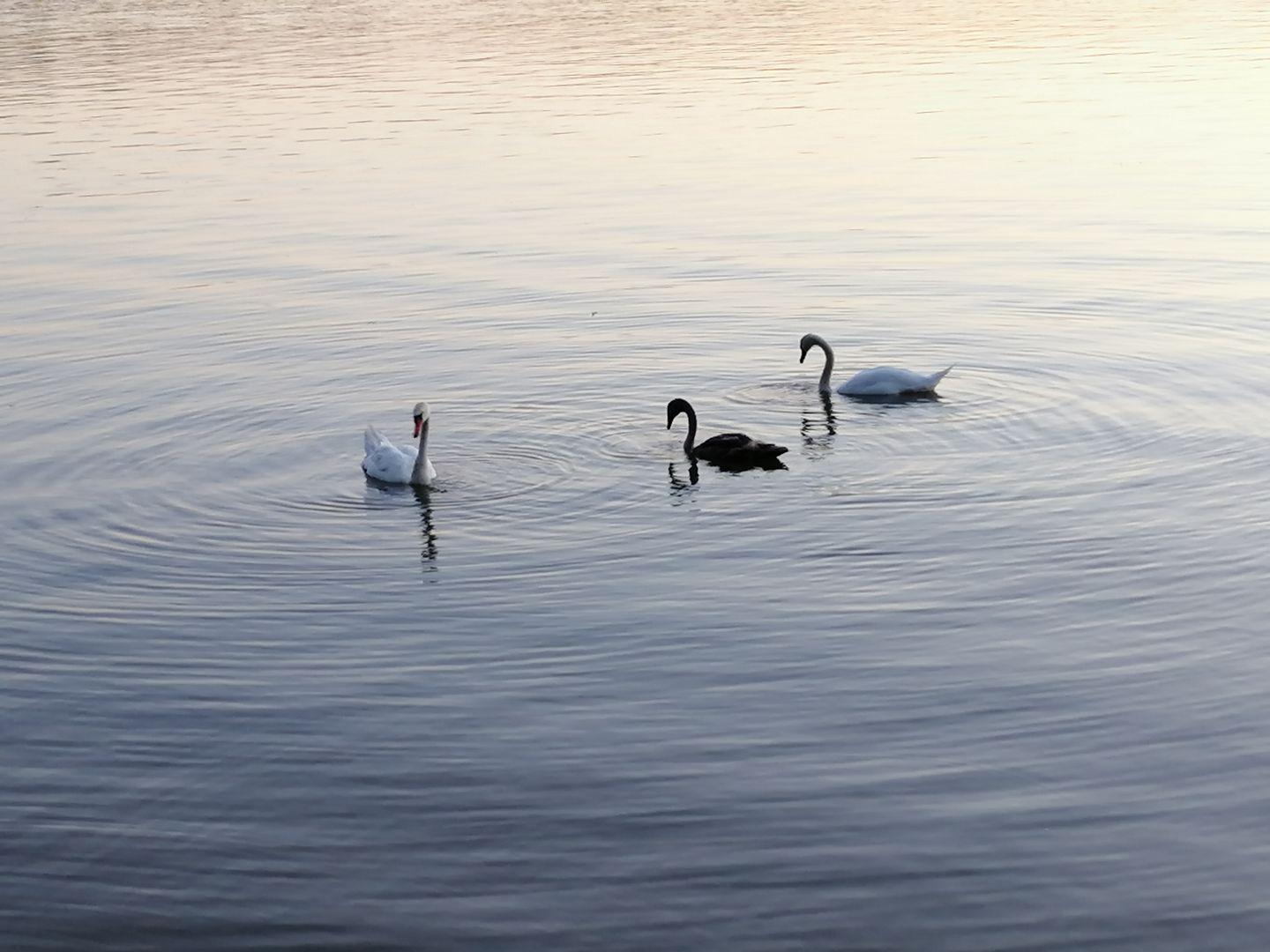
India's lakes are much more than attractive landscapes or convenient recreational spaces. They are living ecosystems supporting fish, frogs, turtles, insects, aquatic plants and numerous bird species.
India's lakes are much more than attractive landscapes or convenient recreational spaces. They are living ecosystems supporting fish, frogs, turtles, insects, aquatic plants and numerous bird species.
For many urban communities, lakes also contribute to groundwater recharge, flood management and local climate regulation.
Yet across India, these ecosystems are under increasing pressure from urbanisation, pollution, encroachment and poor waste management.
When a lake becomes polluted or disappears, the damage extends far beyond the loss of a water body. Entire ecological communities can be affected.
The disappearing lake ecosystem
Urban lakes are frequently treated as vacant land waiting for development.
Encroachments, construction, road expansion and the conversion of lake beds into commercial or residential spaces reduce their size and ecological value.
Natural drainage channels that once supplied water to lakes are also frequently blocked or diverted.
As a result, many lakes receive insufficient clean water while continuing to accumulate pollutants.
A 2016 study by the Indian Institute of Science examined 105 water bodies in Bengaluru. It reported that approximately 98% were encroached upon and around 90% were affected by sustained inflows of untreated sewage and industrial effluents. These are historical findings from that particular study, not current statistics for every Indian lake.
What happens when lakes become polluted?
Untreated sewage introduces excessive nutrients and organic matter into water bodies.
This can trigger eutrophication, a process in which excessive nutrient enrichment promotes algal and aquatic plant growth.
As algae and other organic material decompose, dissolved oxygen levels can fall. This creates difficult conditions for fish and other aquatic organisms.
The consequences are not limited to visible pollution. Some contaminants can accumulate in aquatic organisms and move through food chains.
What happens to the animals?
The destruction of lake ecosystems affects numerous species.
Fish: Reduced oxygen levels and toxic substances can cause fish deaths and reproductive problems.
Turtles: Pollution, plastic waste and the loss of suitable nesting areas threaten aquatic turtles.
Frogs: Amphibians are particularly sensitive to changes in water quality because their skin is permeable and many species depend on aquatic habitats during breeding.
Birds: Kingfishers, herons, egrets, ducks and other waterbirds depend on lakes for food, shelter and nesting opportunities.
Invertebrates: Insects, crustaceans and other small organisms form the foundation of aquatic food webs. Their decline affects larger species.
Water hyacinth: A symptom of imbalance
Water hyacinth is an invasive aquatic plant that can spread rapidly in nutrient-rich water bodies.
Large infestations may block sunlight, restrict water movement and contribute to oxygen depletion as plant material decomposes.
However, simply removing water hyacinth is not enough. Unless sewage inflows and nutrient pollution are controlled, the problem is likely to return.
What needs to change?
Restoring India's lakes requires more than beautification projects.
Authorities must:
Prevent untreated sewage from entering lakes.
Protect natural catchment areas and feeder channels.
Stop illegal encroachments.
Monitor water quality regularly.
Restore native aquatic vegetation.
Protect wetlands and natural shorelines.
Prevent dumping of plastic and construction waste.
Preserve breeding and feeding habitats for wildlife.
Citizens can contribute by reporting pollution, participating in lake conservation initiatives and avoiding the disposal of waste into stormwater drains.
Lake restoration projects should also involve ecologists and aquatic biodiversity experts, not just civil engineers.
Protecting a living ecosystem
A lake should not be judged by the appearance of its waterfront or the availability of walking tracks.
Its ecological health must be measured by the quality of its water, the diversity of its wildlife and its ability to support natural processes.
When we save a lake, we protect far more than water. We protect habitats, food chains, biodiversity and the ecological balance of the surrounding landscape.
India's lakes deserve to be treated as living ecosystems, not vacant urban real estate.
Street dogs are among the most visible yet misunderstood animals in Indian cities. They live outside our homes, sleep near shops, guard neighbourhoods and survive on the margins of human settlements.
A hospital is a place where people wait. Families wait for news, doctors wait for test results, and patients wait for someone to tell them that everything will be all right.