Wildlife Rescue in Indian Cities: Who Do You Call?
An injured bird on a pavement, a snake inside an apartment, a monkey trapped in a building or a bat lying helplessly on the ground. These are situations that urban residents encounter more often than
An injured bird on a pavement, a snake inside an apartment, a monkey trapped in a building or a bat lying helplessly on the ground. These are situations that urban residents encounter more often than they realise.
The first instinct is often to help. Unfortunately, well-intentioned attempts to rescue wild animals can sometimes cause further injury, stress or even death.
Wildlife rescue requires knowledge, appropriate equipment and an understanding of animal behaviour. Knowing whom to contact and what to do while waiting for assistance can make a significant difference.
Who should you call?
The appropriate rescue contact depends on the species, location and urgency of the situation.
1. Forest Department
The State Forest Department is the primary government authority for wildlife-related incidents. Its local range office, divisional forest officer or wildlife rescue team should be contacted when wild animals are found injured, trapped or inside residential premises.
In Karnataka, the Forest Department's helpline is 1926. Residents can use it to report wildlife emergencies and forest-related incidents.
2. Wildlife rescue organisations
Several non-governmental organisations work with forest departments and local authorities to rescue, treat and rehabilitate wild animals.
Wildlife SOS operates rescue helplines in selected locations, including Delhi, Agra, Vadodara and Srinagar. Its contact numbers are location-specific.
3. Bird rescue organisations
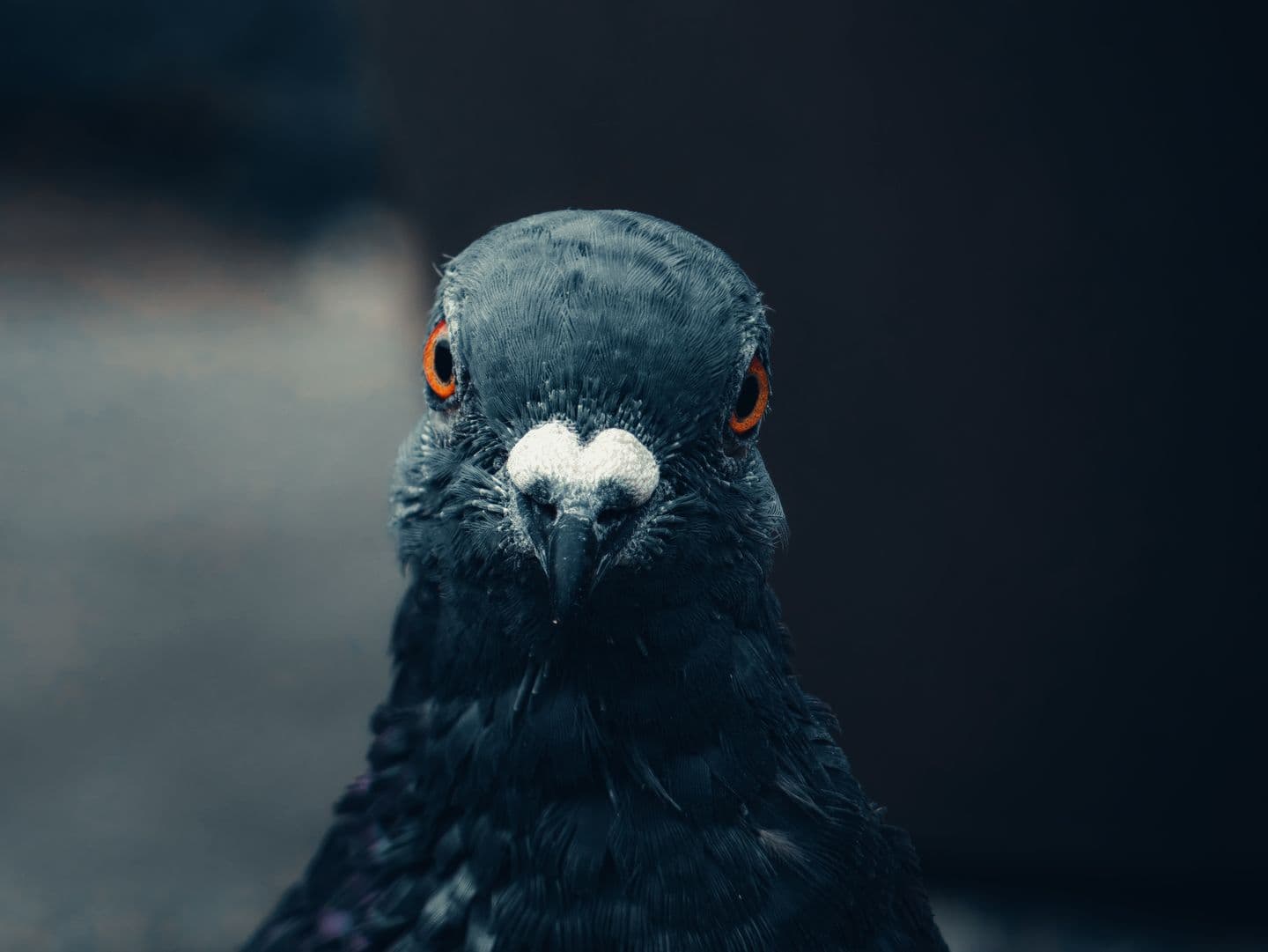
Birds injured by glass collisions, kite strings, electrical wires or road accidents may require specialist care.
Contact a local bird rescue organisation or the Forest Department. Do not assume that a general animal shelter has the facilities to treat wild birds.
4. Veterinary hospitals and wildlife rehabilitators
Wild animals often require specialised treatment. Contact a veterinarian or rehabilitation facility experienced in the relevant species. Not every veterinary clinic is equipped to handle wildlife.
What should you do when you encounter different animals?
1. A snake inside your home
Keep calm and move away.
Keep children and pets out of the area.
Do not attempt to catch, kill or corner the snake.
If possible, close the room without approaching the animal.
Contact the Forest Department or a trained snake rescuer.
Never use sticks, stones or household chemicals to drive a snake away.
2. An injured bird
Approach slowly and minimise noise.
If it is clearly injured and immediate containment is necessary, use a soft cloth and gently place it in a ventilated cardboard box.
Keep the box dark, quiet and away from pets.
Do not force-feed it or pour water into its beak.
Contact a trained bird rescuer promptly.
A fully feathered young bird hopping on the ground may be a normal fledgling. Its parents may still be caring for it. Do not remove it unless it is injured or in immediate danger.
3. A monkey or civet inside a building
Keep people and pets away.
Avoid surrounding or cornering the animal.
Secure access to the area if this can be done safely.
Do not attempt to feed or handle it.
Contact the Forest Department or an authorised wildlife rescue organisation.
4. An injured bat
Never pick up a bat with bare hands. Bats can bite when frightened and may carry infections. Keep people and pets away and seek professional assistance.
Why you should never attempt a DIY wildlife rescue
Wild animals can react unpredictably when frightened or injured. Even apparently harmless species can bite, scratch or transmit infections.
There are also legal considerations. Several native wild animals are protected under the Wild Life (Protection) Act, 1972. Unauthorised capture, possession, transport or handling may violate wildlife protection laws.
Rescue and rehabilitation should be undertaken by authorised personnel following appropriate procedures.
What information should you provide when calling for help?
A rescue team needs accurate information to respond effectively.
Provide:
Exact location and a nearby landmark.
Species, if identifiable.
Number of animals involved.
Whether the animal is injured, trapped or behaving unusually.
Whether people or pets are at immediate risk.
A photograph or video, only if it can be taken safely.
Do not approach the animal simply to obtain a photograph.
Building a responsible rescue network
India needs stronger local wildlife rescue networks, trained volunteers, accessible veterinary facilities and better coordination between forest departments and animal welfare organisations.
Resident associations, schools and community groups can maintain verified local rescue directories and display emergency contact information.
Citizens should also understand that rescuing an animal is not always about physically picking it up. Sometimes the best intervention is to keep people away, prevent further disturbance and allow a trained professional to do the work.
Compassion requires knowledge
Wild animals living in our cities are entitled to exist without unnecessary harm. When they are injured or trapped, they deserve timely and competent assistance.
The next time you encounter a snake, an injured bird or a frightened wild animal, resist the urge to become the rescuer yourself.
Make the call. Keep the animal safe. Let trained professionals take over.
Street dogs are among the most visible yet misunderstood animals in Indian cities. They live outside our homes, sleep near shops, guard neighbourhoods and survive on the margins of human settlements.
A hospital is a place where people wait. Families wait for news, doctors wait for test results, and patients wait for someone to tell them that everything will be all right.