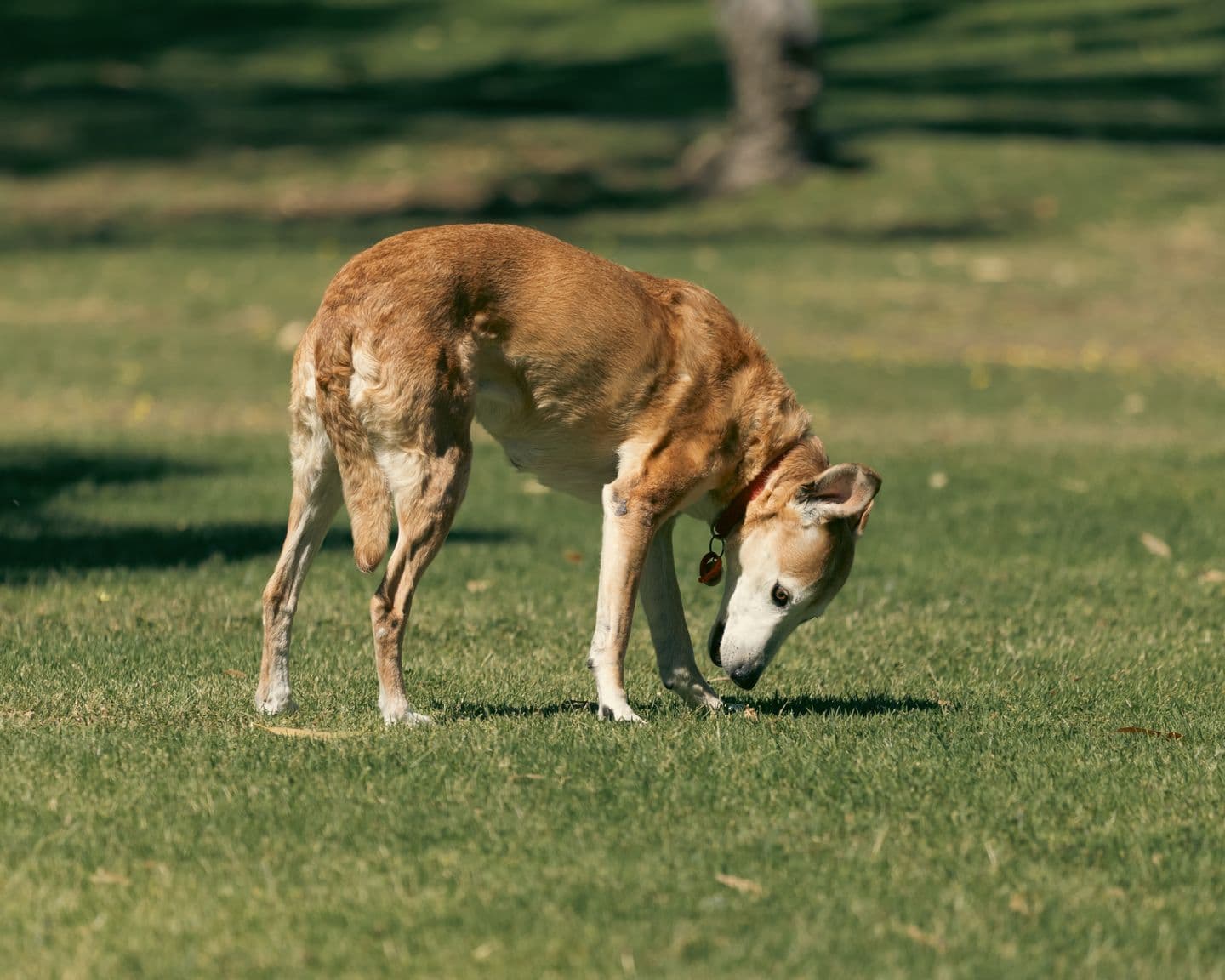
There are few walks more difficult than the last walk with a beloved pet. It may take place in a familiar park, along a favourite street or simply around the garden where the animal has spent years ex
There are few walks more difficult than the last walk with a beloved pet. It may take place in a familiar park, along a favourite street or simply around the garden where the animal has spent years exploring. The surroundings may be unchanged, but everything feels different.
For years, walks have represented excitement, exercise and companionship. Now, they may become an opportunity to say goodbye.
When the familiar routines begin to change
The hardest part of loving an animal is accepting that its life will probably be shorter than ours. We bring pets into our homes knowing that they will age, but knowing something intellectually does not prepare us emotionally for its arrival.
As illness progresses, familiar routines change.
A dog may struggle to climb stairs.
A cat may stop jumping onto its favourite windowsill.
Meals may become difficult.
Sleep may become restless.
Activities that once brought pleasure may no longer interest the animal.
While some changes are associated with ageing, others may indicate pain or underlying illness. Veterinary assessment is essential rather than assuming that discomfort is simply part of getting old.
The difficult decision of euthanasia
One of the hardest decisions is whether euthanasia is the kindest option.
It is not a decision that should be made casually or without veterinary guidance. When an animal has an incurable condition, persistent pain or a severely compromised quality of life, a veterinarian can help assess its condition and explain the available options.
The discussion should focus on the animal rather than the family's readiness to let go.
Some questions can help families evaluate quality of life:
Is the animal eating and drinking adequately?
Can it rest comfortably?
Does it still enjoy familiar interactions?
Can its pain and distress be managed?
Are good days becoming increasingly rare?
Can it move around without excessive difficulty?
Quality-of-life assessments can help families recognise patterns that emotions sometimes make difficult to see.
For some animals, palliative or hospice care may provide comfort for a period of time. For others, euthanasia may prevent further suffering.
Neither choice should be treated as a measure of how much someone loves their pet. What matters is whether the decision genuinely serves the animal's welfare.
Preparing for the goodbye
There is also the practical and emotional preparation. Families may wish to:
Spend quiet, uninterrupted time with their pet.
Arrange a peaceful setting where permitted.
Discuss the procedure and available options with the veterinarian.
Decide how they would like to remember their companion.
Explain the situation honestly to children in age-appropriate language.
Guilt is common. People may wonder whether they waited too long or acted too soon. They may revisit medical decisions and question whether they recognised every sign of discomfort.
But love does not always mean extending life for as long as possible. Sometimes it means accepting that the animal's comfort must come before our wish to keep it with us.
The last walk may not involve much walking at all. It may be a few steps in the garden, a gentle outing or simply sitting together in the sunshine.
There may be no perfect goodbye. There may only be gratitude for the years shared and the responsibility to ensure that the final chapter is filled with as much comfort and dignity as possible.
Dhaliwal, R. et al. (2023). 2023 AAHA Senior Care Guidelines for Dogs and Cats. Journal of the American Animal Hospital Association, 59(1), 1–21. https://pubmed.ncbi.nlm.nih.gov/36584321/
Street dogs are among the most visible yet misunderstood animals in Indian cities. They live outside our homes, sleep near shops, guard neighbourhoods and survive on the margins of human settlements.
A hospital is a place where people wait. Families wait for news, doctors wait for test results, and patients wait for someone to tell them that everything will be all right.