Why Losing a Pet Can Feel Like Losing a Family Member
The house is still there. The furniture has not moved. The food bowl may still be in its usual corner, and the leash may still hang behind the door. Yet something feels profoundly different.
The house is still there. The furniture has not moved. The food bowl may still be in its usual corner, and the leash may still hang behind the door. Yet something feels profoundly different.
The animal that once occupied these spaces is gone.
For people who have never shared their lives with an animal, the grief following pet loss can sometimes be difficult to understand. They may wonder why someone is crying over a dog or cat when there are other responsibilities to attend to.
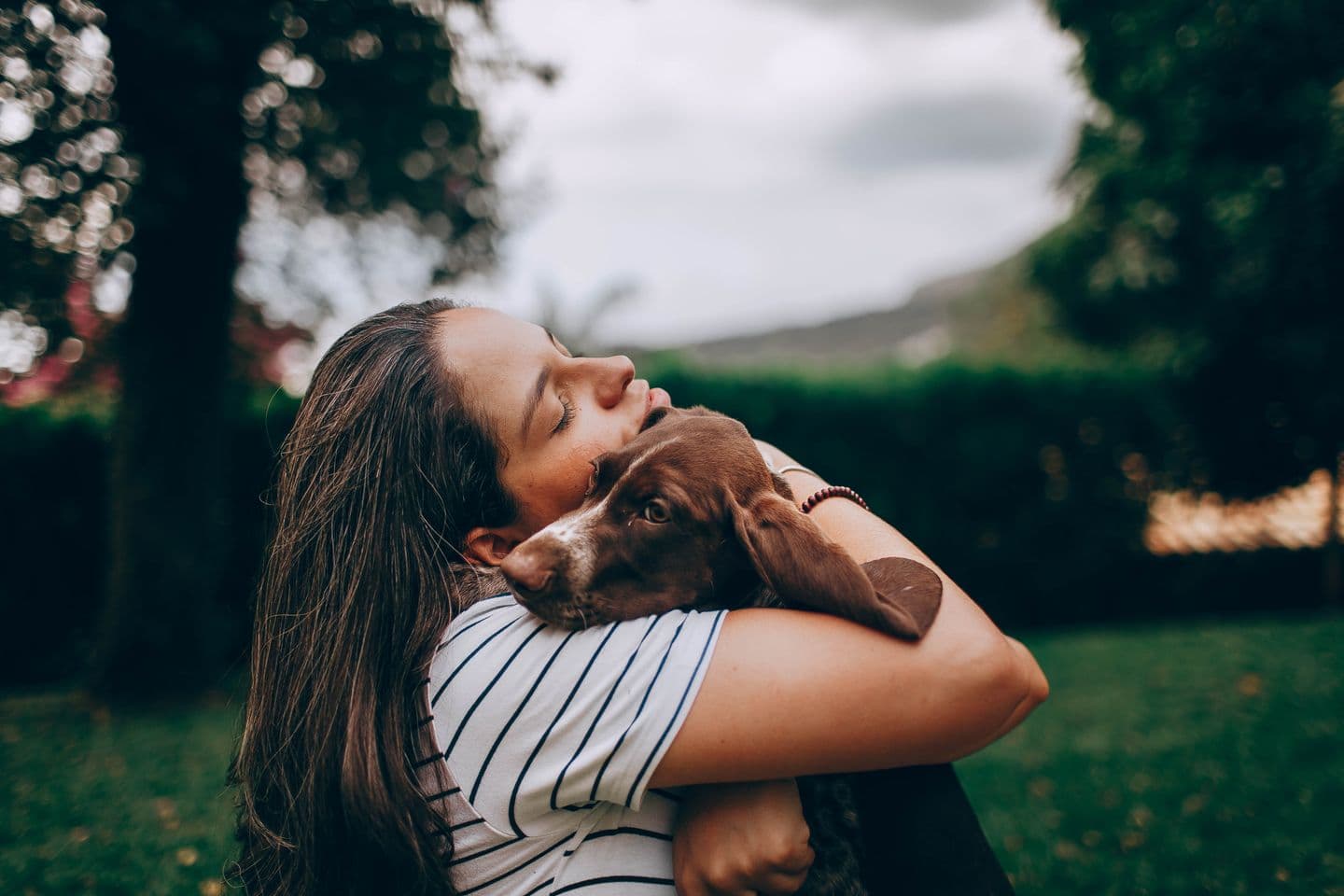
But for the person grieving, this is not simply the loss of an animal. It is the loss of a relationship.
The psychology of attachment
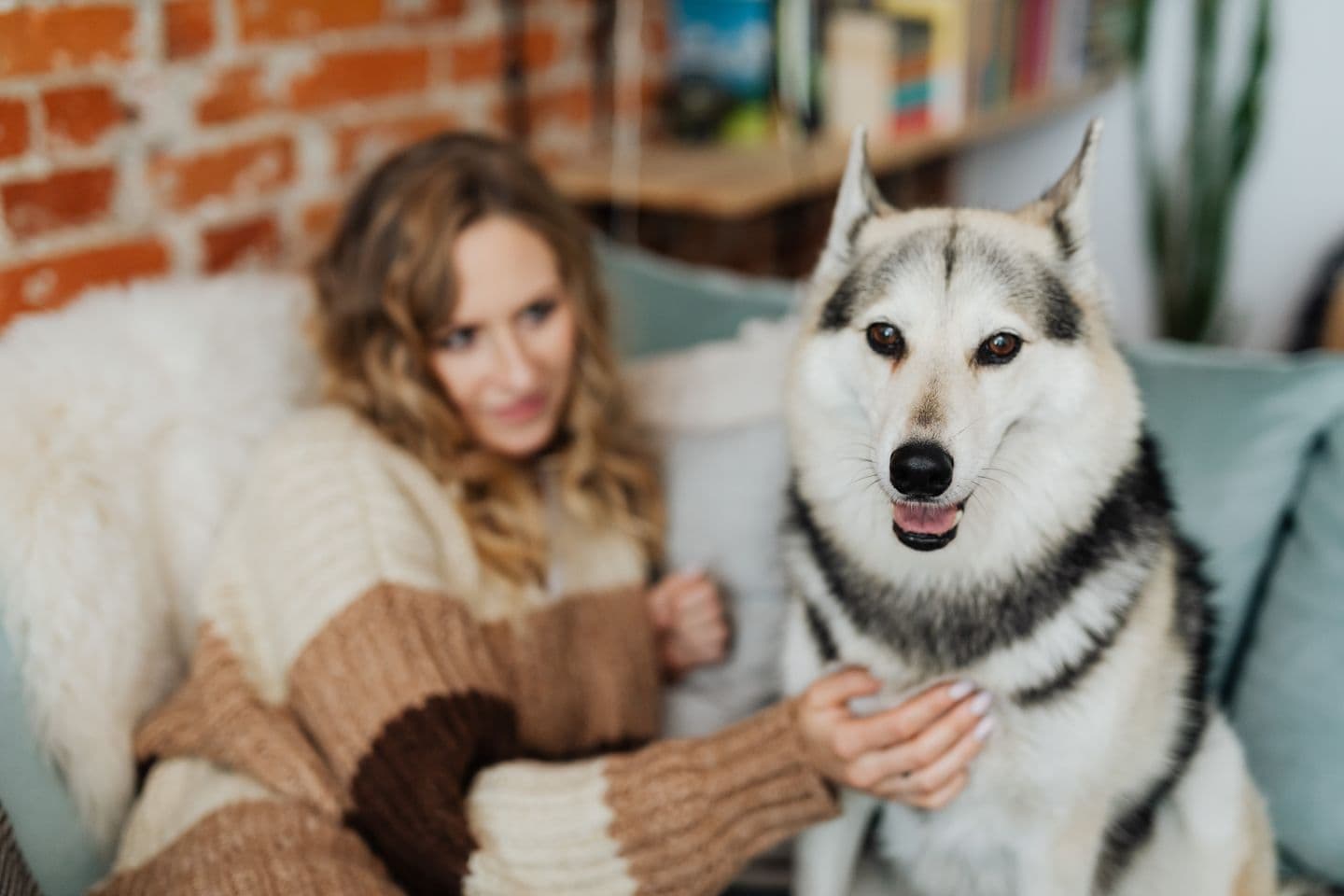
Pets become part of our everyday emotional lives. They are present when we wake up, return from work, celebrate occasions and experience difficult periods. They become familiar witnesses to our routines, our loneliness and our changing circumstances.
Unlike many human relationships, companionship with an animal often involves few social expectations. We do not need to explain our decisions, justify our failures or maintain a particular image.
The animal is simply part of our life.
Psychologically, this relationship can be understood through attachment. Humans form emotional bonds with animals that provide companionship, familiarity and a sense of security.
Why the loss hurts so deeply
The death of a companion animal can produce intense grief, guilt, loneliness and emotional distress.
The loss also disrupts everyday routines:
There is no longer anyone waiting at the door.
The familiar food bowl remains unused.
Morning walks and evening playtime disappear.
The sleeping place beside the bed becomes empty.
Small household rituals suddenly have no purpose.
These absences repeatedly remind us that the relationship has ended.
Another difficulty is that pet bereavement is not always socially recognised. Some people are told to get another pet, move on or remember that it was only an animal.
Such comments can make grieving owners feel embarrassed about expressing their emotions.
This experience is sometimes described as disenfranchised grief: grief that is not adequately acknowledged or supported by society.
Yet grief does not become less real because the person who died had four legs instead of two.
Helping children cope with pet loss
Children may also experience profound sadness after losing a pet. For them, the animal may have been a first companion, a source of comfort or an important part of growing up.
Parents can help by:
Explaining the loss honestly and sensitively.
Allowing children to express sadness.
Sharing photographs and happy memories.
Creating a small memorial if the child wishes.
Avoiding confusing explanations about death.
Learning to live with the memories
There is no universal timetable for recovery. Some people find comfort in photographs, memorials or planting a tree. Others may take time before considering another animal.
A new pet should never be expected to replace the one that has died.
The relationship may have ended physically, but memories remain. We remember the peculiar habits, the favourite sleeping place, the excitement at mealtimes and the small rituals that made the animal unique.
Perhaps the most important thing society can do is stop measuring grief according to the species of the loved one.
If an animal was part of someone's family, its absence deserves understanding.
Losing a pet can feel like losing a family member because, in the emotional life of that person, that is precisely what has happened.
References
Adams, C. L., Bonnett, B. N. and Meek, A. H. (2000). Predictors of owner response to companion animal death in 177 clients from 14 practices in Ontario. Journal of the American Veterinary Medical Association.
Lykins, A. D. et al. (2024). Attachment Styles, Continuing Bonds, and Grief Following Companion Animal Death. Death Studies, 48(7), 698–705. https://pubmed.ncbi.nlm.nih.gov/37801468/
Street dogs are among the most visible yet misunderstood animals in Indian cities. They live outside our homes, sleep near shops, guard neighbourhoods and survive on the margins of human settlements.
A hospital is a place where people wait. Families wait for news, doctors wait for test results, and patients wait for someone to tell them that everything will be all right.