An animal that has been hurt does not always run towards the person offering help. It may hide, growl, retreat or refuse food. A rescued dog may be frightened of a raised hand. A neglected cat may tak
An animal that has been hurt does not always run towards the person offering help. It may hide, growl, retreat or refuse food. A rescued dog may be frightened of a raised hand. A neglected cat may take weeks before allowing someone to approach.
Trust is not automatically restored because someone has decided to be kind.
Yet, given patience and a safe environment, many animals gradually begin to accept human companionship again. They may approach for food, sit a little closer or eventually allow themselves to be touched.
These small changes can be extraordinary.
Can animals forgive?
We often describe such experiences as forgiveness. Strictly speaking, we cannot know whether animals understand forgiveness in the same moral or emotional terms as humans.
What we can observe is their capacity to learn, adapt and sometimes rebuild relationships after negative experiences.
Their behaviour offers us an important lesson about trust.
Trust cannot be demanded. It must be earned through consistency.
An animal that has experienced cruelty may associate particular sounds, movements or situations with danger. Shouting at it, forcing physical contact or punishing fearful behaviour can deepen its anxiety.
What it needs instead is predictable care, patience and positive reinforcement.
The importance of patience
The process can be slow. Some animals recover quickly, while others retain certain fears throughout their lives.
Rehabilitation is not a race, and progress should never be measured against an unrealistic expectation of complete transformation.
A frightened animal may demonstrate progress in small ways:
Eating comfortably in someone's presence.
Exploring a room without immediately hiding.
Accepting food from a familiar caregiver.
Resting in an open space rather than remaining constantly alert.
Gradually accepting gentle interaction.
These changes may seem ordinary, but for an animal that has experienced fear, they can represent important steps towards security.
Relationships without judgement
There is also something important about the absence of judgement in many human-animal relationships.
Animals do not evaluate our professional success, social standing or financial circumstances. They respond to what they experience from us.
That does not mean they are incapable of fear, discomfort or negative associations. It means that relationships with them can be rebuilt through everyday behaviour rather than explanations or promises.
A frightened dog does not need a speech about how much we love it. It needs someone who will not hurt it.
A rescued cat does not need to be forced into our arms to prove that it trusts us. It needs the freedom to approach when it feels safe.
Becoming worthy of trust
We often expect people to forgive quickly, move on and forget what happened. Animals remind us that recovery requires time and that safety must come before closeness.
They also remind us that a second chance is not a reward for being perfect. It is an opportunity to experience something better.
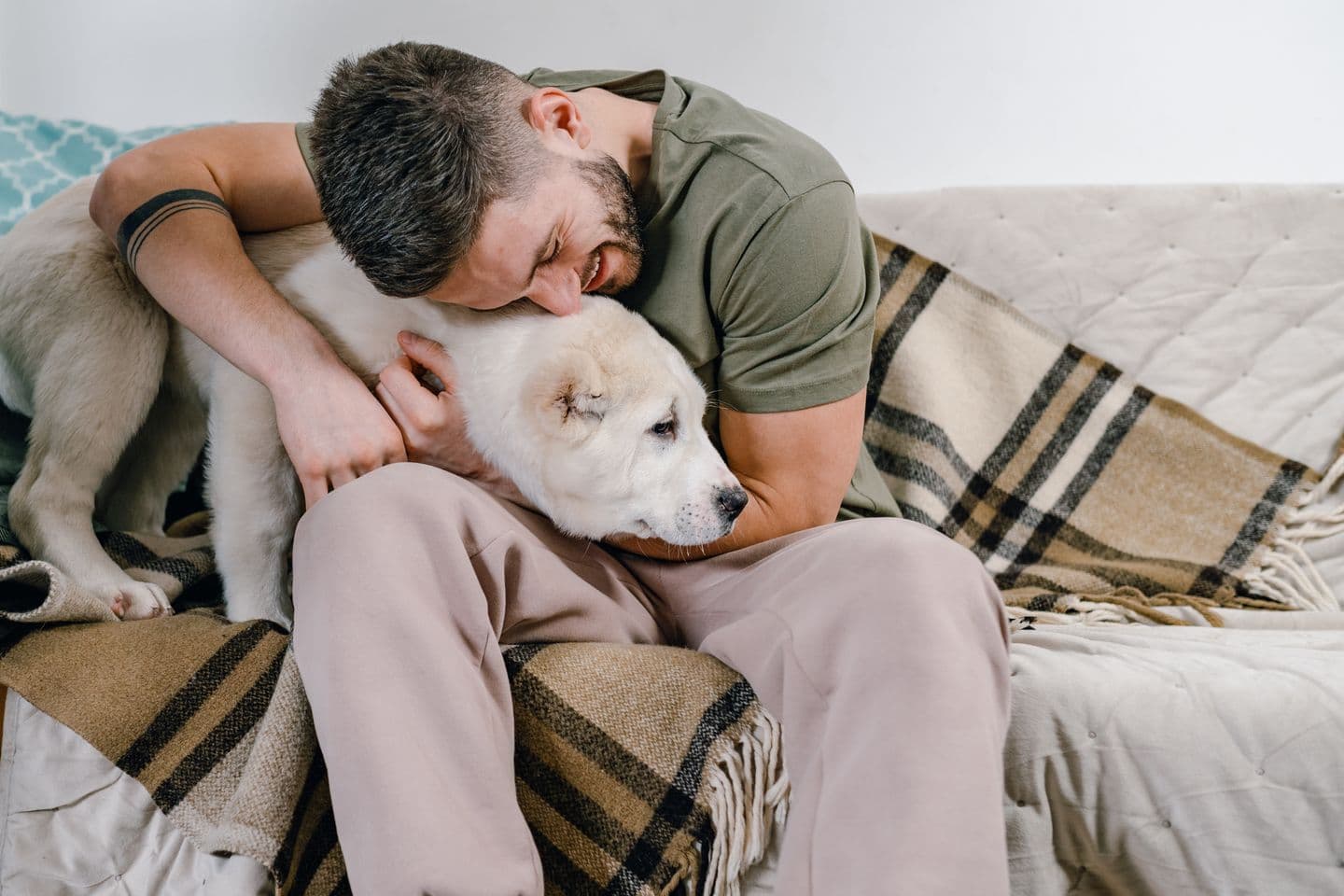
When an animal that once trembled at our approach finally rests peacefully beside us, it is a moment worth cherishing.
Perhaps animals do not teach us forgiveness in the way we traditionally understand it. They teach us something equally valuable: to become worthy of another living being's trust.
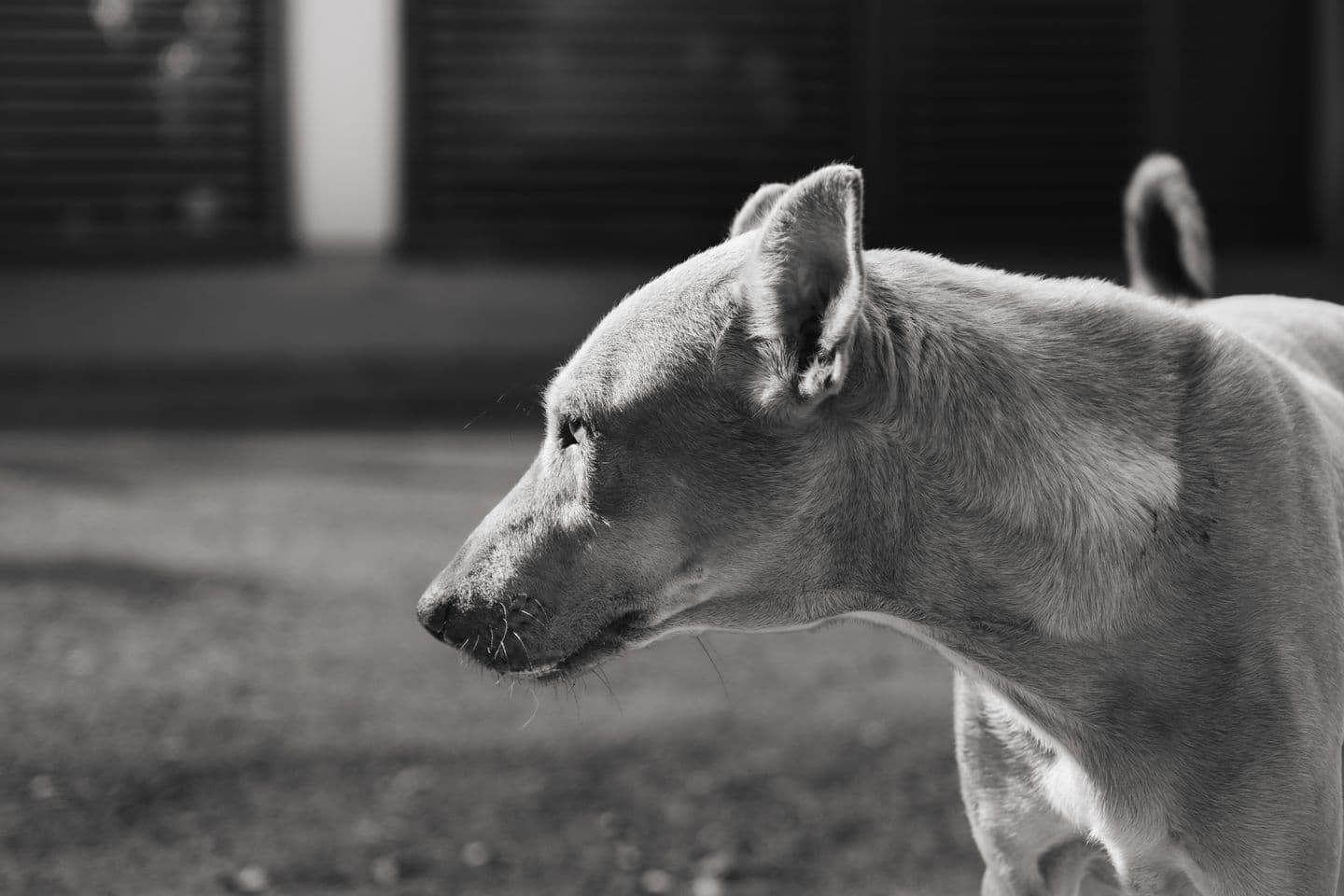
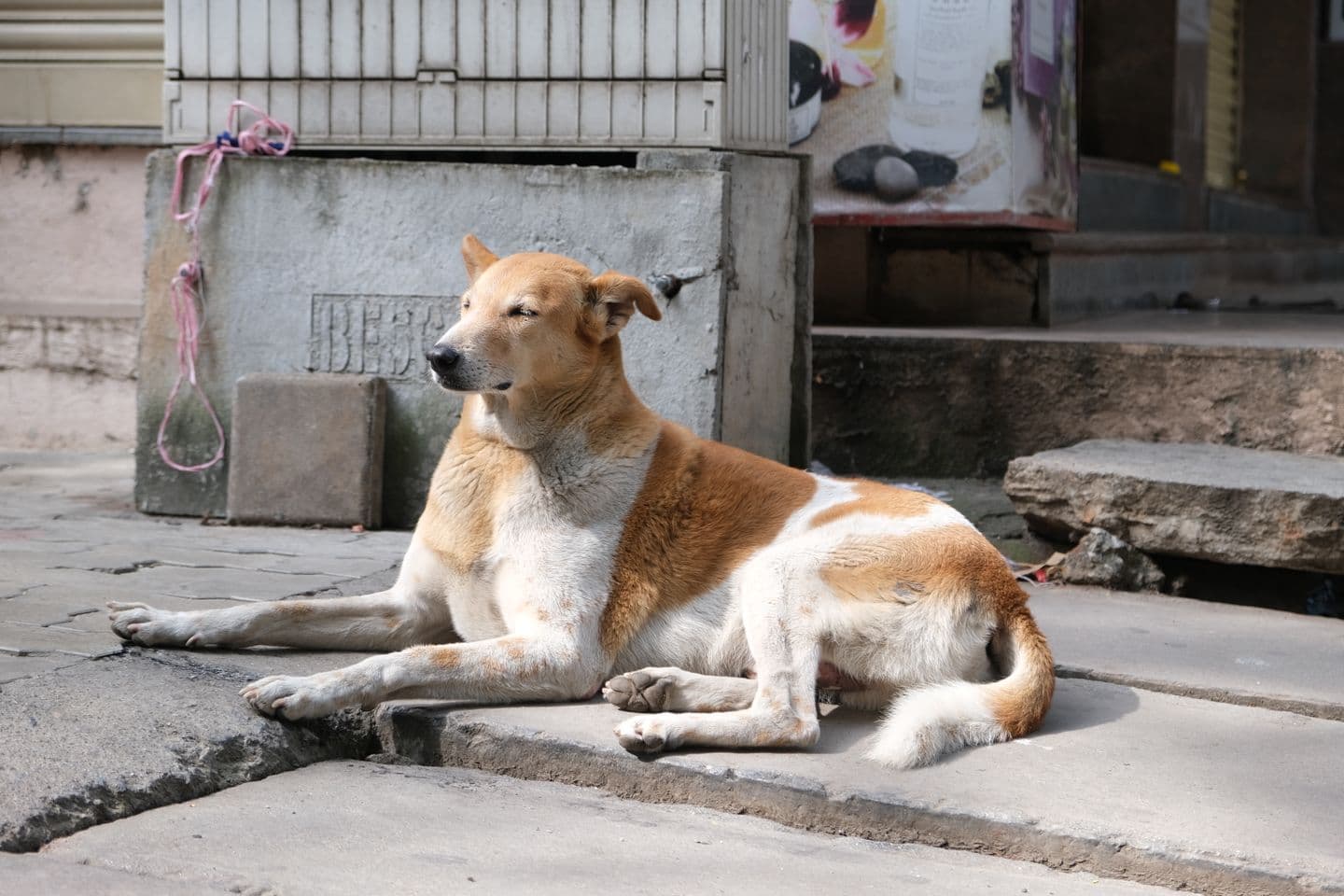
Street dogs are among the most visible yet misunderstood animals in Indian cities. They live outside our homes, sleep near shops, guard neighbourhoods and survive on the margins of human settlements.
A hospital is a place where people wait. Families wait for news, doctors wait for test results, and patients wait for someone to tell them that everything will be all right.