The Unconditional Love of an Animal That Was Once Abandoned
A dog may remain near the door, uncertain whether it is allowed to settle down. A cat may hide beneath furniture, watching every movement. Even when food is offered and a comfortable bed is provided,
The first few days in a new home can be confusing for an abandoned animal.
A dog may remain near the door, uncertain whether it is allowed to settle down. A cat may hide beneath furniture, watching every movement. Even when food is offered and a comfortable bed is provided, the animal may hesitate.
Its previous experiences have taught it to be cautious.
Abandonment is not simply the loss of a place to live. It can mean losing familiar people, surroundings, routines and sources of security. For an animal accustomed to human companionship, suddenly finding itself alone can be deeply distressing.
Yet many abandoned animals eventually learn to trust again.
The journey from abandonment to security
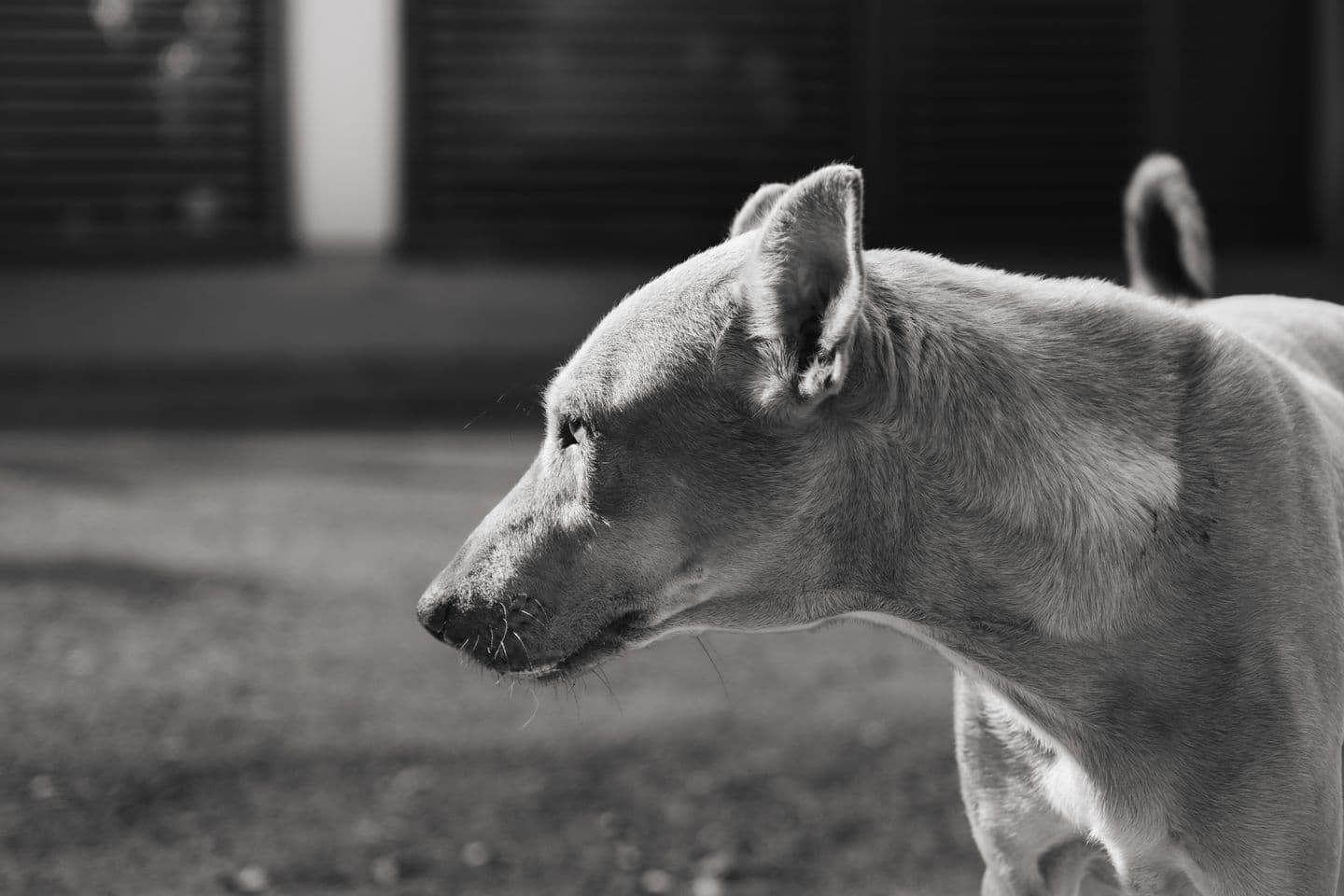
Consider a rescued dog that has spent months on the street. It may have learned to avoid vehicles, search for food and remain alert to possible threats.
When it enters a home, it encounters a completely different environment. It must learn that meals will arrive regularly, that it has a safe place to sleep and that human contact does not necessarily mean danger.
This transition takes time.
Some animals begin exploring within hours. Others need weeks or months. A few may always remain cautious about certain sounds, movements or situations.
The mistake is to expect gratitude.
Adoption is not a transaction in which humans provide shelter and animals must repay them with affection. An animal does not owe us immediate companionship because we have rescued it.
It deserves safety regardless of how quickly it responds.
What responsible rehabilitation involves
Responsible rehabilitation requires more than food and shelter. It may involve:
Veterinary examinations and treatment.
Appropriate nutrition and clean drinking water.
Vaccinations and parasite control.
Behavioural assessment where necessary.
Gradual introduction to new surroundings.
Positive reinforcement and predictable routines.
Families should also allow rescued animals to develop relationships at their own pace. Experienced veterinary professionals and qualified behaviour specialists can help address persistent fear, anxiety and other difficulties.
Small signs of growing trust
There is something deeply moving about watching a frightened animal change.
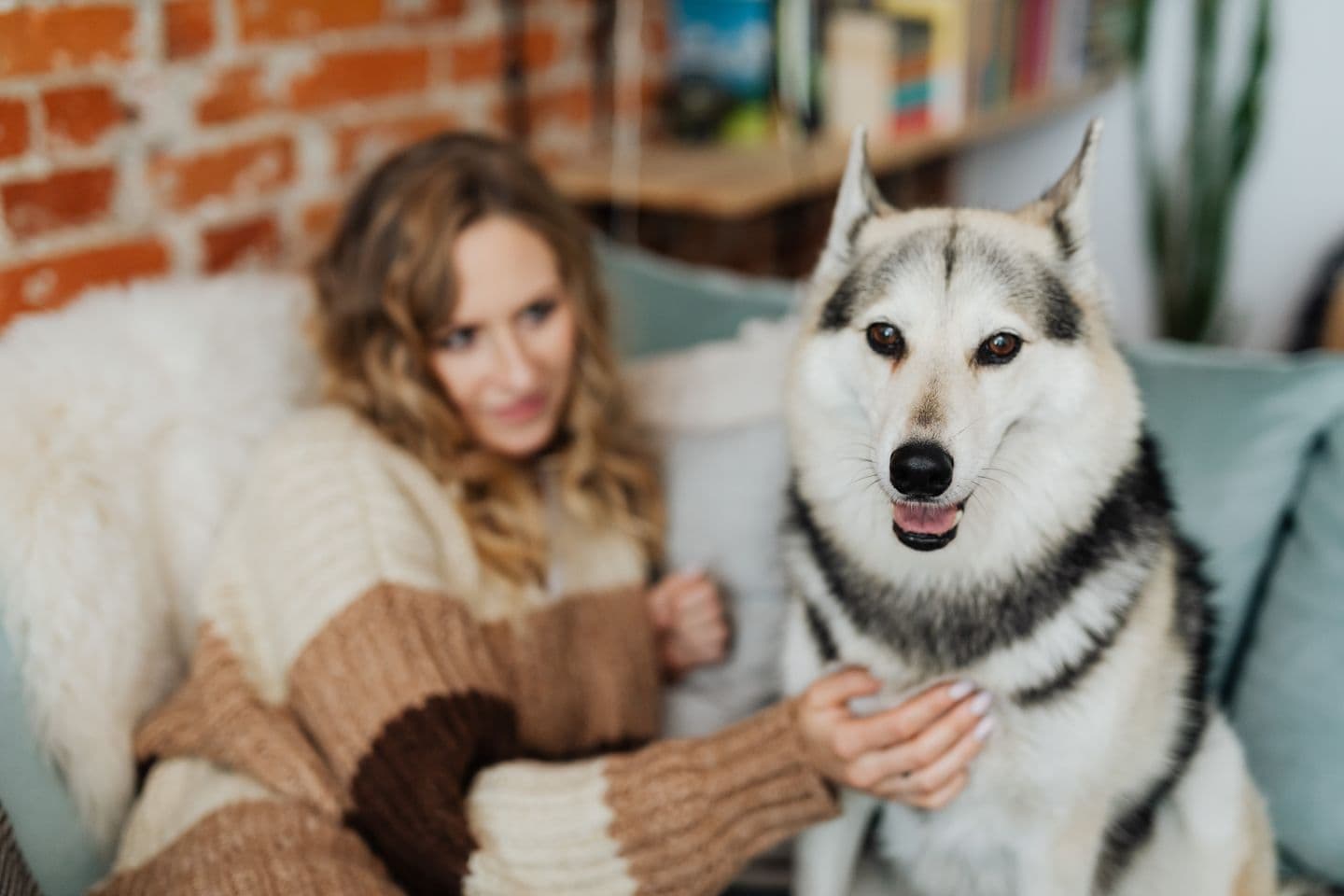
The dog that once slept with one eye open begins to stretch comfortably. The cat that hid whenever someone entered the room eventually chooses to sit nearby. A previously anxious animal begins to recognise the sound of its caregiver returning home.
These are not dramatic transformations. They are small indications that the animal is beginning to feel secure.
But the idea of unconditional love needs to be understood responsibly. Animals that have experienced abandonment may still be fearful, defensive or uncomfortable with certain forms of contact. Their affection does not mean that their past experiences have disappeared.
What matters is that they are given the opportunity to live without repeated uncertainty.
Giving a second chance
There are thousands of animals that need homes, but adoption should never be an impulsive decision.
Families must be prepared for years of responsibility, including medical expenses, behavioural challenges and changes associated with ageing.
The most beautiful part of rescuing an animal is not that it eventually becomes affectionate. It is that it no longer has to struggle for the basics of life.
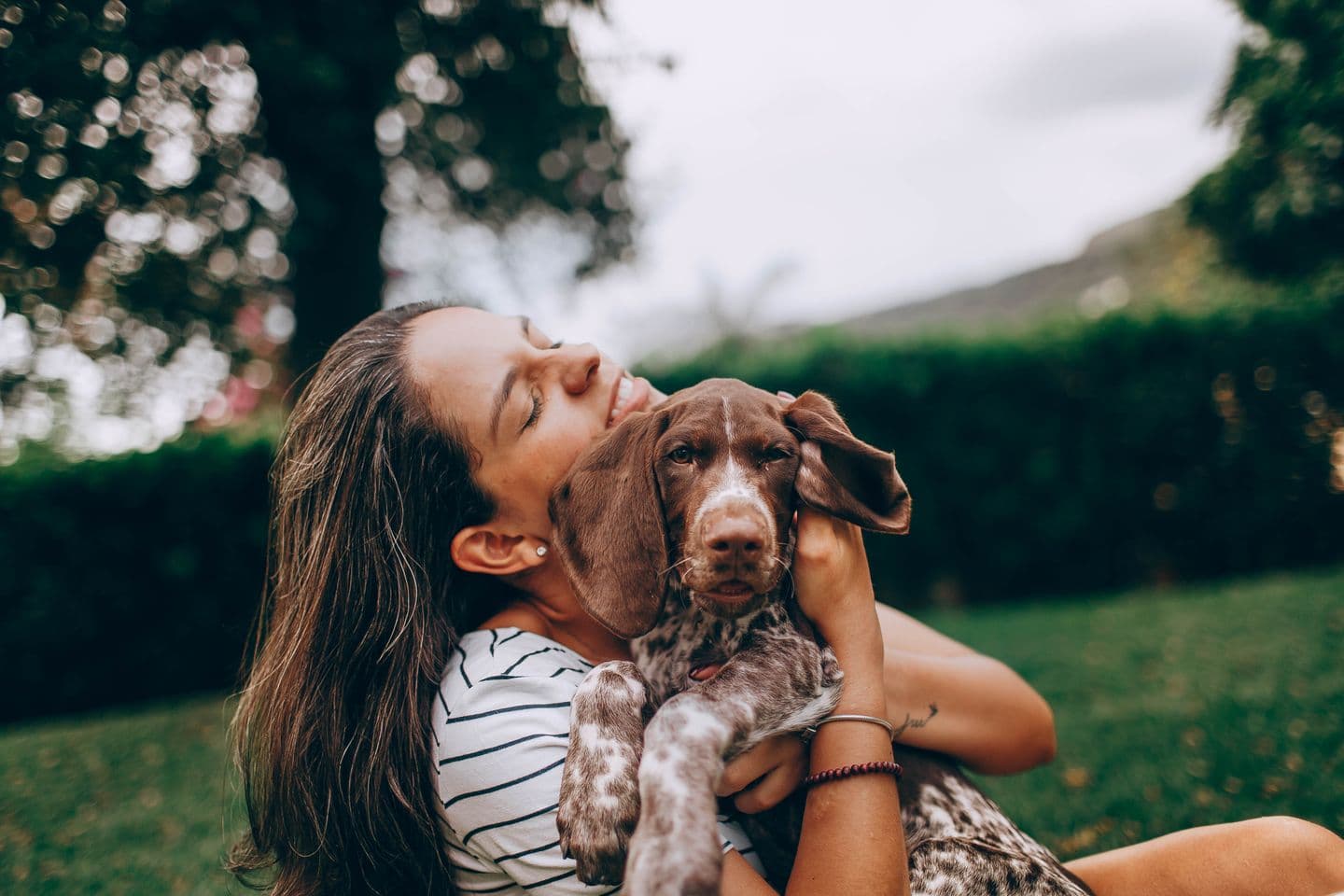
A rescued animal may never know why someone chose to take it home. But it can experience the difference between being unwanted and being protected.
Sometimes, the greatest expression of love is giving another living being the security it should never have lost.
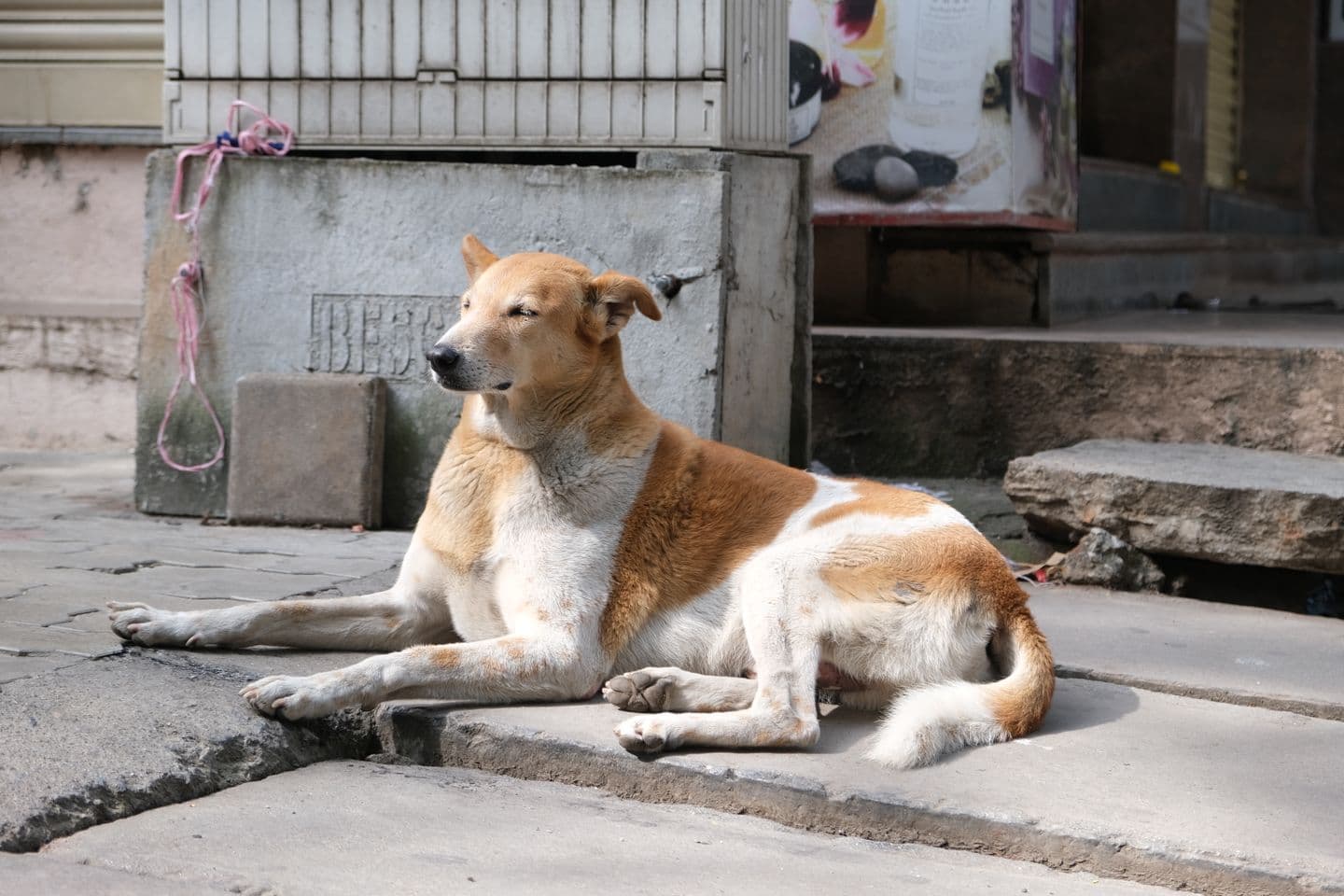
Street dogs are among the most visible yet misunderstood animals in Indian cities. They live outside our homes, sleep near shops, guard neighbourhoods and survive on the margins of human settlements.
A hospital is a place where people wait. Families wait for news, doctors wait for test results, and patients wait for someone to tell them that everything will be all right.