If Animals Could Speak, What Would They Ask of Us?
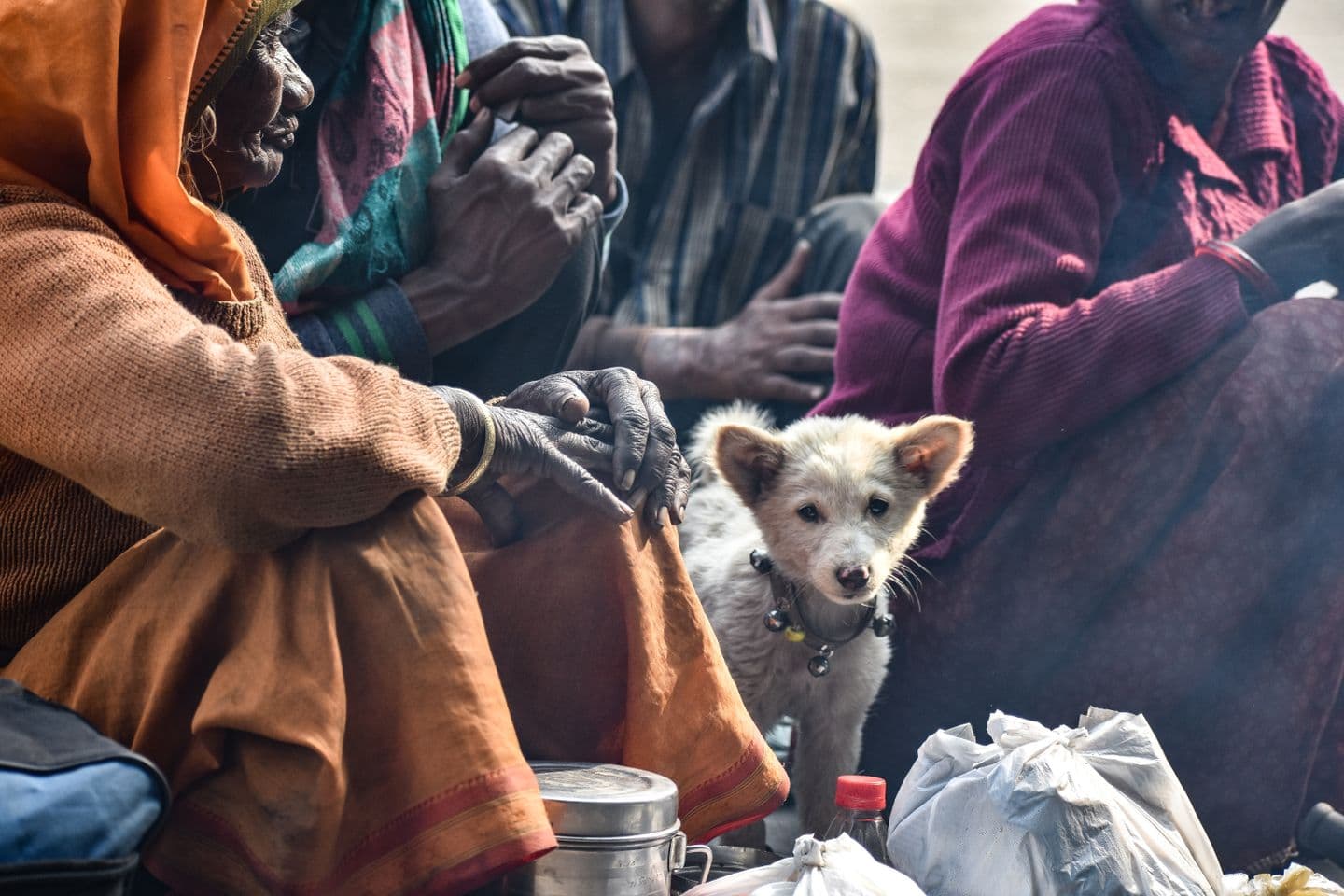
Imagine a street dog looking at us and asking why it has to search through rubbish for food when there is enough food in the world. Imagine a cat asking why it was abandoned because its family moved t
Imagine a street dog looking at us and asking why it has to search through rubbish for food when there is enough food in the world. Imagine a cat asking why it was abandoned because its family moved to another house. Imagine a bird asking why the sky that once belonged to it has become a cage.
Perhaps their questions would make us uncomfortable.
We often speak about animals in terms of what they provide us. Dogs offer companionship, cats provide affection, horses help with recreation and birds bring beauty into our homes.
But how often do we consider the world from their perspective?
Their silence does not mean they do not suffer
Animals experience hunger, fear, pain, comfort and distress. They have behavioural and physical needs that are often very different from ours.
Their inability to communicate through human language does not make these needs any less important.
Consider the animals whose suffering often goes unnoticed:
A dog chained outside a house throughout the day.
A cow left without adequate food or water.
A monkey kept in unsuitable conditions.
A bird confined without adequate space or enrichment.
A street animal suffering from an untreated injury.
Their silence should never be mistaken for an absence of suffering.
What might they ask us to change?
Perhaps animals would ask us to stop treating them as disposable possessions.
They might ask why some people welcome them into their homes only to abandon them when circumstances change. They might ask why affection is sometimes offered without responsibility.
They might also ask us to respect their natural behaviour.
A bird needs opportunities to move and express natural behaviours. A dog needs exercise, companionship and mental stimulation. A cat needs an environment that allows it to climb, explore, hide and play. Wildlife needs habitats in which it can survive without constant human interference.
Responsible animal care begins when we recognise that animals have interests of their own.
Our responsibility extends beyond pets
In India, this responsibility extends well beyond household pets.
Street dogs, cattle, working animals, wildlife and animals used in entertainment or commercial activities all depend, in different ways, on human decisions.
The Prevention of Cruelty to Animals Act, 1960, provides a legal framework against unnecessary pain and suffering. But legislation alone cannot create compassion.
That requires individual choices, community participation and responsible institutions.
Small actions can make a difference
We can begin with simple actions:
Provide clean drinking water during summer.
Support legitimate animal rescue organisations.
Adopt responsibly rather than treating animals as impulse purchases.
Seek veterinary help for injured animals.
Avoid products and activities involving cruelty.
Teach children to respect animals rather than fear or exploit them.
Support habitat conservation and responsible wildlife protection.
Most importantly, we must understand that kindness is not an occasional act. It is a responsibility that should influence our everyday behaviour.
Learning to listen without words
If animals could speak, perhaps they would not ask us for grand gestures or extraordinary sacrifices.
They might simply ask us to stop hurting them, stop abandoning them and allow them to live with dignity.
But they cannot ask these questions in our language.
That is why we must learn to recognise their needs without waiting for them to speak.
Perhaps the true measure of a compassionate society is not how it treats those who can demand their rights, but how it treats those who cannot speak for themselves.
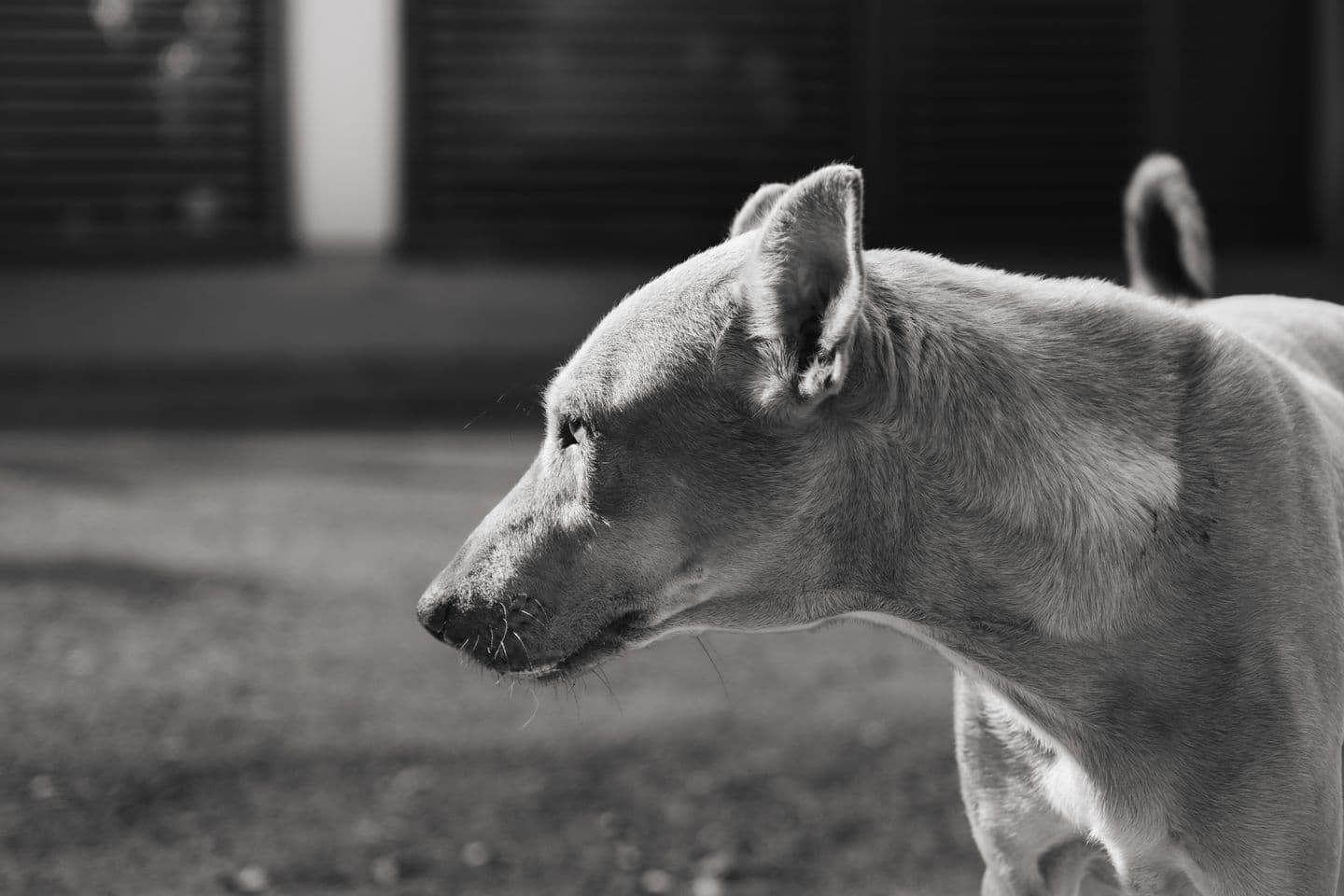
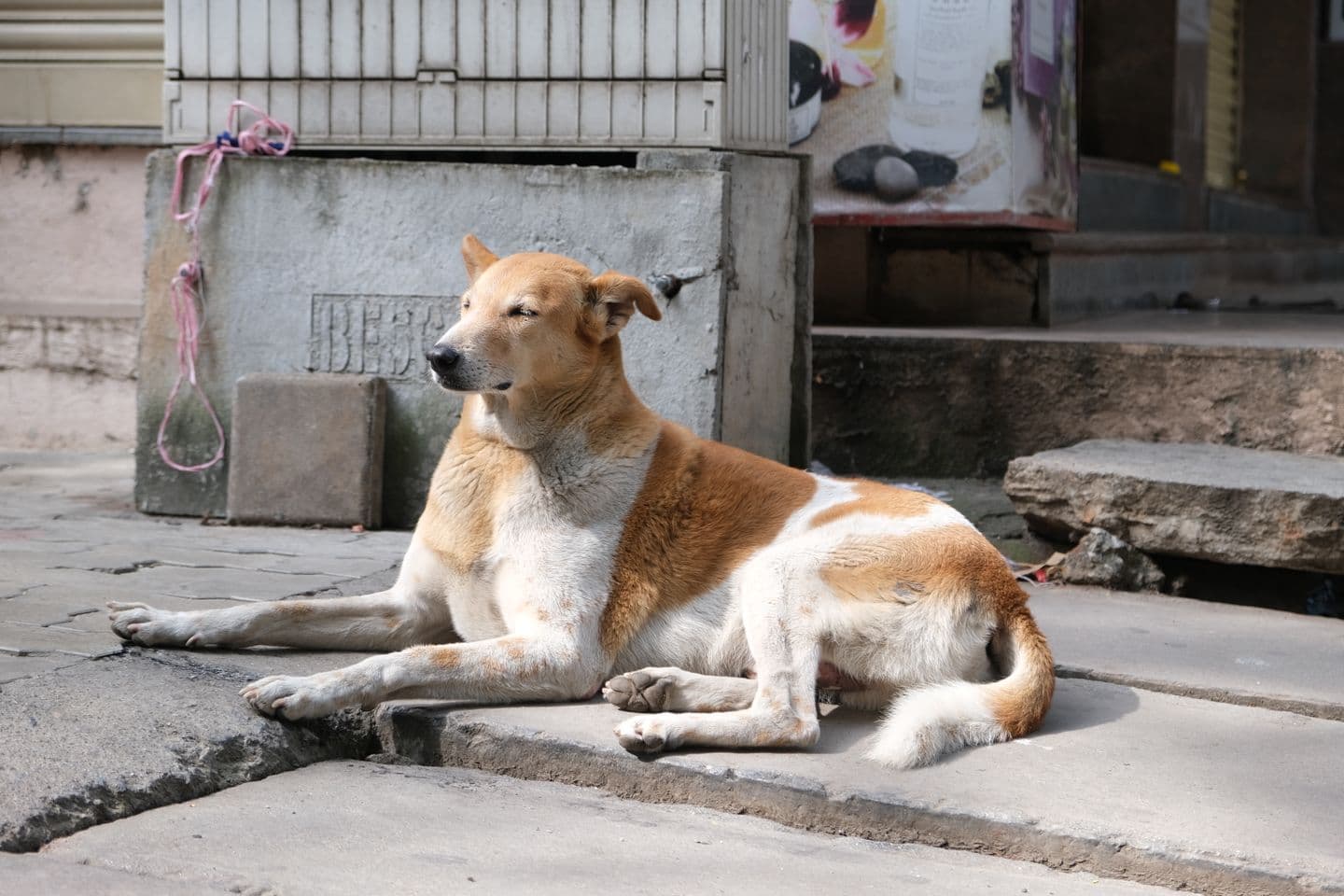
Street dogs are among the most visible yet misunderstood animals in Indian cities. They live outside our homes, sleep near shops, guard neighbourhoods and survive on the margins of human settlements.
A hospital is a place where people wait. Families wait for news, doctors wait for test results, and patients wait for someone to tell them that everything will be all right.