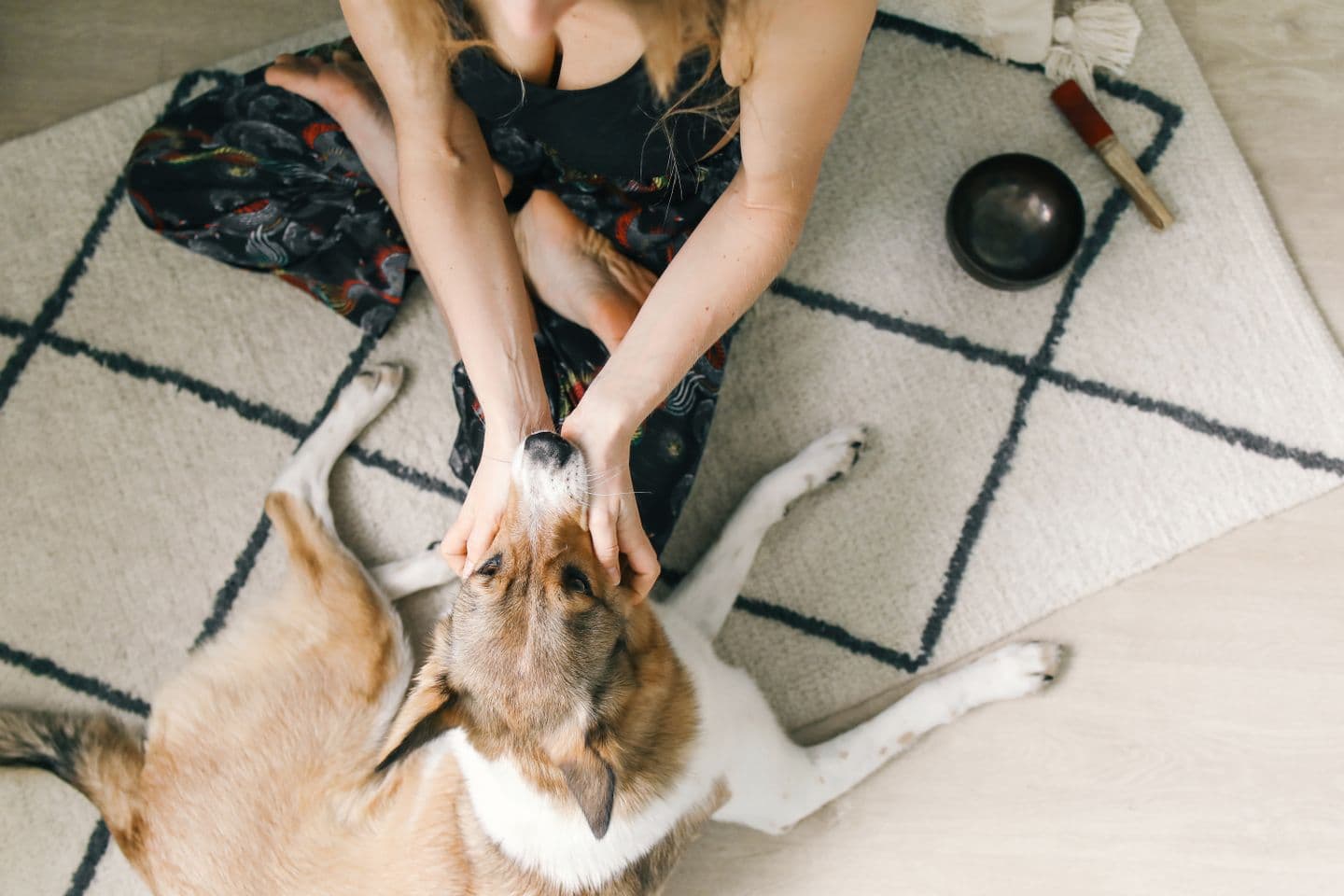
A favourite sleeping spot remains empty. The sound of paws running towards the door disappears. Nobody waits beside the dining table, and there is no familiar face looking up when we enter the room.
There are certain absences that never quite become ordinary.
A favourite sleeping spot remains empty. The sound of paws running towards the door disappears. Nobody waits beside the dining table, and there is no familiar face looking up when we enter the room.
The house continues to function, but something is missing.
Anyone who has lost a beloved animal understands this feeling. The death of a pet is often accompanied by a strange combination of silence, memories and the sudden realisation that an important part of everyday life has ended.
The little things we remember
We remember the little things.
The dog that insisted on sleeping in the same corner every night. The cat that occupied the warmest chair in the house. The animal that knew exactly when we were preparing to leave and positioned itself near the door. The companion that could recognise the sound of our vehicle long before we reached home.
These memories may seem insignificant to someone who never knew the animal. To the family, they represent years of shared life.
Sometimes, the memories are attached to objects:
An old collar hanging behind the door.
A favourite toy that nobody has the heart to put away.
A photograph from a memorable holiday.
An unused food bowl.
A familiar blanket that still carries the animal's scent.
These objects can become unexpectedly difficult to look at.
Understanding the grief of losing an animal
People may find themselves continuing familiar routines. They may look towards the usual sleeping place or briefly expect to hear a familiar sound.
These responses are understandable expressions of attachment and grief.
Research into companion-animal bereavement has documented that the loss can be intensely distressing. People may experience sadness, guilt, loneliness and difficulty adjusting to the absence; the intensity of grief varies with the individual and the relationship.
Unfortunately, people grieving an animal sometimes encounter comments that minimise their feelings.
But the depth of a relationship cannot be measured by whether the loved one was human or animal.
For many families, an animal has been present through important stages of life. It may have:
Accompanied children through childhood.
Offered companionship during loneliness.
Provided comfort during difficult personal circumstances.
Become part of daily family routines.
Shared years of ordinary but meaningful experiences.
Its life may have been shorter, but its influence can remain for decades.
Finding ways to remember
There are different ways of remembering an animal.
Some families preserve photographs, create memory books or keep a small collection of meaningful objects. Others plant a tree, make donations to animal welfare organisations or support the adoption of abandoned animals in its memory.
Some people eventually welcome another animal into their lives. Others choose not to.
Neither decision diminishes the relationship they shared.
A new companion cannot replace the one who died. Every animal has its own personality, habits and place in a family's story.
Love does not end with goodbye
There is also a difficult but important lesson in remembering animals who have passed away: their lives should be celebrated for more than the sadness of their final days.
Remember the walks, the games, the excitement, the mischief and the quiet companionship. Remember the times they made ordinary days feel special.
And remember the responsibility we had towards them. We gave them shelter, food and care, but they also gave us years of companionship that cannot be recreated.
Perhaps heaven must have paw prints because so many of the beings we miss most have left their marks without ever saying a word.
They may no longer be waiting at the door, but their place in our lives remains.
And perhaps that is the closest thing to immortality that an animal can leave behind: a lifetime of memories that continue to live in the hearts of those who loved it.
Lykins, A. D. et al. (2024). Attachment Styles, Continuing Bonds, and Grief Following Companion Animal Death. Death Studies, 48(7), 698–705. https://pubmed.ncbi.nlm.nih.gov/37801468/
Hughes, B. and Harkin, B. L. (2025). The Impact of Continuing Bonds Between Pet Owners and Their Pets Following the Death of Their Pet: A Systematic Narrative Synthesis. Omega, 90(4), 1666–1684. https://pmc.ncbi.nlm.nih.gov/articles/PMC11776356/
Street dogs are among the most visible yet misunderstood animals in Indian cities. They live outside our homes, sleep near shops, guard neighbourhoods and survive on the margins of human settlements.
A hospital is a place where people wait. Families wait for news, doctors wait for test results, and patients wait for someone to tell them that everything will be all right.