Moving to a new city involves considerable disruption for a pet. Familiar smells, surroundings, routines and people suddenly disappear. What may be an exciting new beginning for the family can be conf
Moving to a new city involves considerable disruption for a pet. Familiar smells, surroundings, routines and people suddenly disappear. What may be an exciting new beginning for the family can be confusing and stressful for an animal.
Dogs may become restless or clingy, cats may hide or refuse food, and small animals may show signs of stress through changes in their behaviour.
A little preparation can make the transition considerably easier.
Before the move
Start preparing your pet several weeks in advance.
If travelling by car, train or flight, familiarise the animal with the carrier or transport arrangements. Introduce crates gradually, using treats and positive reinforcement.
Arrange a veterinary check-up before departure. Ensure vaccinations, parasite prevention and prescribed medicines are up to date.
Collect copies of medical records, vaccination certificates and prescriptions. Research veterinary hospitals and emergency clinics in the destination city.
If travelling by air or rail, confirm the applicable transport regulations well in advance.
Preparing the new home
Before bringing your pet into the new property:
Check for open balconies, unsecured windows and gaps through which animals could escape.
Remove poisonous plants and exposed electrical wires.
Secure cleaning chemicals, medicines and household pesticides.
Check fencing, gates and balcony railings.
Identify a quiet area where the pet can settle.
Cats should initially be given access to one secure room containing their litter tray, food, water, bedding and hiding places.
Dogs should be introduced to the new surroundings gradually, without overwhelming them with visitors or unfamiliar animals.
Maintain familiar routines
Animals find security in predictable routines. Try to maintain established feeding, walking, play and sleeping schedules.
Bring familiar bedding, toys, feeding bowls and other objects carrying familiar scents. Avoid changing food immediately after the move unless medically necessary.
For cats, retain the same litter type initially. Sudden changes in litter or litter-box location can cause toileting problems.
Helping your pet explore
Allow the animal to explore at its own pace.
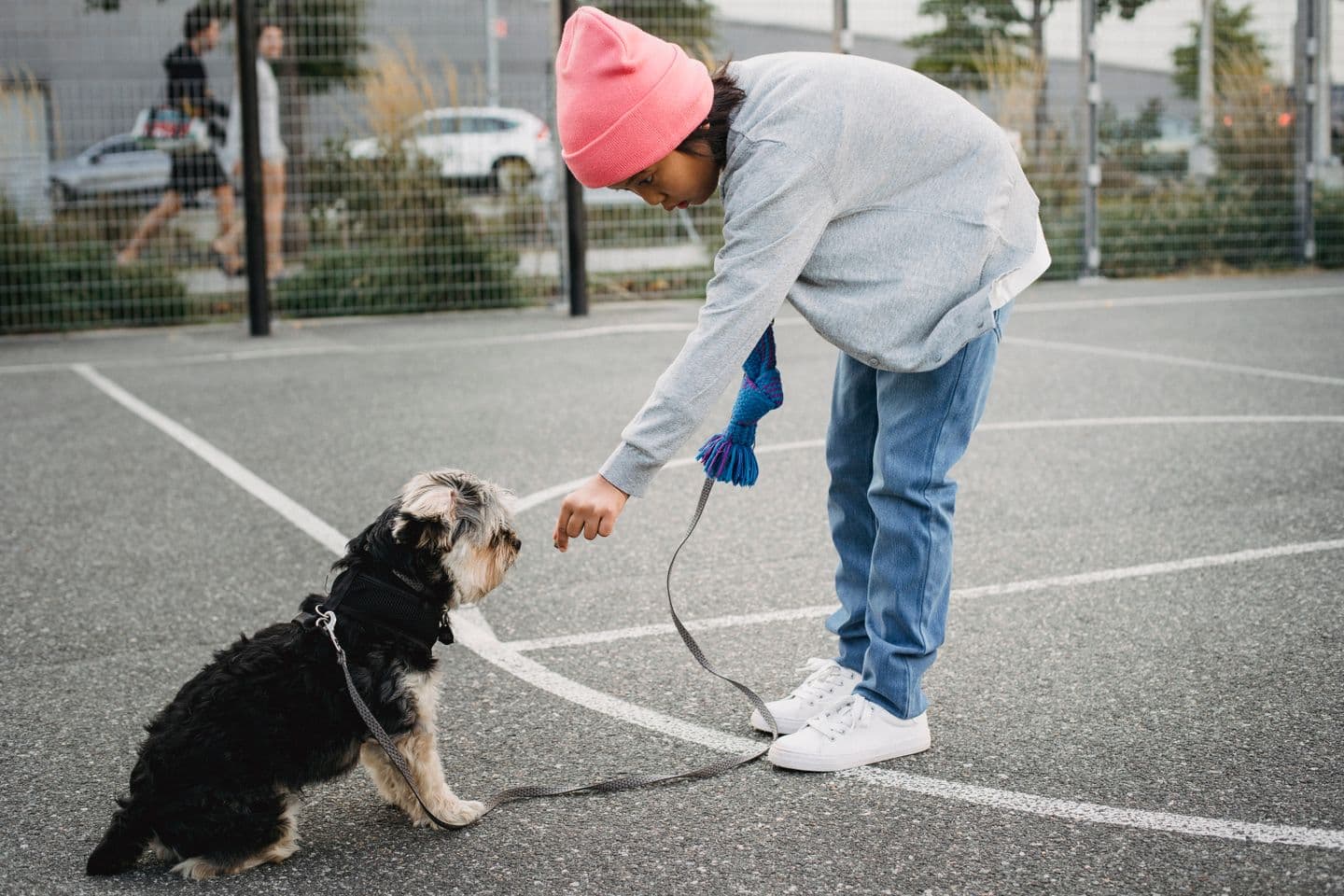
Dogs should be introduced to the neighbourhood through short, supervised walks. Gradually expose them to traffic, other dogs, sounds and unfamiliar environments.
Keep cats indoors while they adjust. Outdoor access should only be considered after they are securely settled and the risks of the new location have been assessed.
Do not allow pets to roam freely in an unfamiliar neighbourhood.
Watch for signs of stress
Loss of appetite, excessive vocalisation, hiding, inappropriate elimination, destructive behaviour and changes in sleep patterns may indicate adjustment difficulties.
Some stress is temporary, but persistent symptoms require veterinary attention. Refusal to eat, repeated vomiting, diarrhoea or other physical symptoms should not automatically be dismissed as relocation stress.
Find a new veterinarian
Identify a reliable veterinarian before an emergency occurs. Transfer medical records and discuss ongoing treatment requirements.
Also identify nearby pet pharmacies, grooming facilities, boarding centres and emergency services.
Give it time
Every animal adjusts differently. Some settle within days, while others need several weeks or longer.
Moving home should not mean losing everything familiar. Maintaining routines, familiar objects and reassuring human companionship helps pets understand that, although their surroundings have changed, their family remains with them.
Street dogs are among the most visible yet misunderstood animals in Indian cities. They live outside our homes, sleep near shops, guard neighbourhoods and survive on the margins of human settlements.
A hospital is a place where people wait. Families wait for news, doctors wait for test results, and patients wait for someone to tell them that everything will be all right.