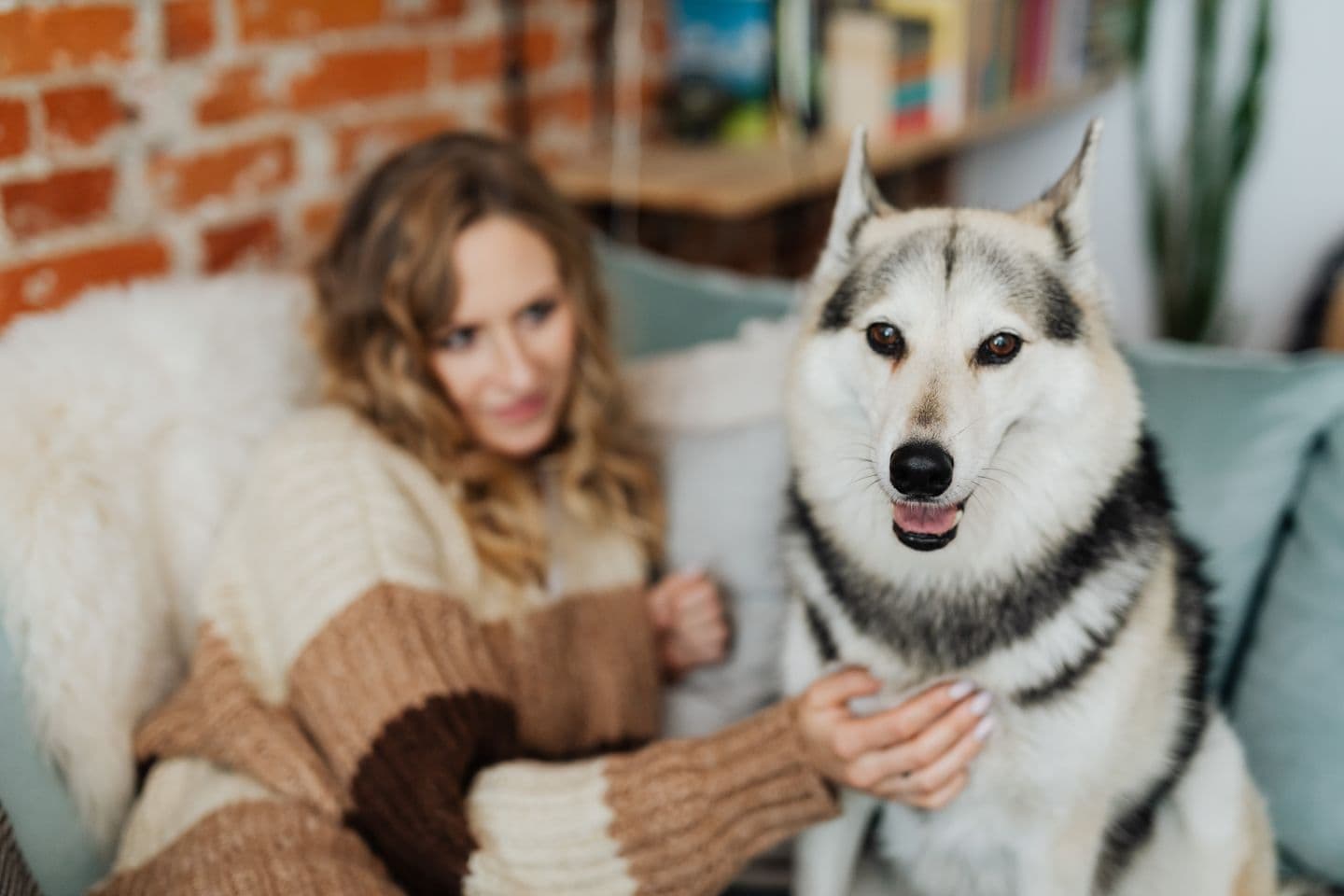
Behind every successful animal adoption photograph is often a much longer story. There are animals that wait for months, sometimes years, before someone considers taking them home.
Behind every successful animal adoption photograph is often a much longer story. There are animals that wait for months, sometimes years, before someone considers taking them home.
They live in shelters, rescue centres and foster facilities, often depending entirely on the dedication of people who struggle to provide food, medicines and basic care.
While puppies and kittens frequently attract attention, many other animals remain overlooked.
They are the forgotten residents of India's animal shelters.
Not every rescue ends with adoption
An animal shelter is often imagined as a temporary stop between rescue and a loving home. In reality, this journey can be considerably longer.
Some animals arrive with serious injuries. Others have experienced abuse, neglect or abandonment. Certain dogs and cats have chronic illnesses or disabilities that require ongoing treatment.
Older animals may also find it difficult to attract adopters.
Shelters sometimes become permanent homes for animals that are unlikely to be adopted, even though they were originally established to provide temporary care.
Why some animals wait longer
Several factors influence adoption prospects.
Age: Older dogs and cats often receive less attention than young animals.
Appearance: Animals with visible injuries, disabilities or unusual physical features may be overlooked.
Health: Chronic illnesses can involve additional financial and caregiving responsibilities.
Behaviour: Animals that are fearful or require patient socialisation may take longer to find suitable homes.
Breed preferences: Some prospective adopters focus exclusively on particular breeds.
These preferences can leave perfectly loving animals waiting indefinitely.
The challenges of running a shelter
Shelters operate under considerable pressure. Food, veterinary treatment, medicines, cleaning supplies, staff salaries and maintenance involve recurring expenses.
Space is another major constraint.
When rescue organisations accept more animals than their facilities can comfortably accommodate, the quality of care can suffer. Overcrowding increases stress and the risk of infectious diseases.
Caregivers must also manage animals with different temperaments, medical requirements and dietary needs.
Many organisations depend on donations and volunteers. Their financial position can change dramatically from month to month.
A shelter is not necessarily a home
Even a well-managed shelter cannot always replicate the experience of living with a family.
Animals may receive food, treatment and protection, but individual attention can be limited when caregivers have to look after dozens of residents.
Dogs need exercise, stimulation and social interaction. Cats need appropriate enrichment, hiding spaces and opportunities for natural behaviour.
Long periods in confined environments can affect physical and psychological well-being.
This is why responsible fostering and adoption programmes are so important.
How can people help?
Adoption is one of the most meaningful ways to support a shelter, but it is not the only option.
People can offer temporary foster homes, sponsor veterinary treatment, donate food, provide medicines or volunteer their professional skills.
Photographing shelter animals and sharing accurate adoption profiles can also improve their chances of finding families.
Corporate organisations can support shelters through structured funding, veterinary camps and infrastructure improvements.
Importantly, donations should go to organisations whose work, animal-care standards and financial requirements can be verified.
The animals that nobody chooses
A shelter's success should not be measured only by the number of animals adopted in a year.
It should also be measured by the quality of life provided to those who remain.
The elderly dog that will never attract many enquiries, the injured cat that requires regular medication and the frightened animal that needs months to develop trust deserve the same consideration as an adorable puppy.
An animal does not become less deserving of affection because it has spent years waiting for it.
Sometimes, the most meaningful adoption is not choosing the cutest animal. It is choosing the one that everyone else has overlooked.
Street dogs are among the most visible yet misunderstood animals in Indian cities. They live outside our homes, sleep near shops, guard neighbourhoods and survive on the margins of human settlements.
A hospital is a place where people wait. Families wait for news, doctors wait for test results, and patients wait for someone to tell them that everything will be all right.