Walk into a pet adoption event in India and you may notice something interesting. While many people admire the dogs, some immediately ask whether they are a particular breed.
Walk into a pet adoption event in India and you may notice something interesting. While many people admire the dogs, some immediately ask whether they are a particular breed.
Indian native dogs, commonly called Indies or Indian Pariah-type dogs, often receive less attention than imported or pedigree breeds.
This preference is difficult to understand when one considers how well these dogs have adapted to India's climate, environment and living conditions.
Perhaps it is time to reconsider what makes a dog desirable.
A dog shaped by its environment
Indian native street dogs have evolved over generations in the country's varied climatic and environmental conditions.
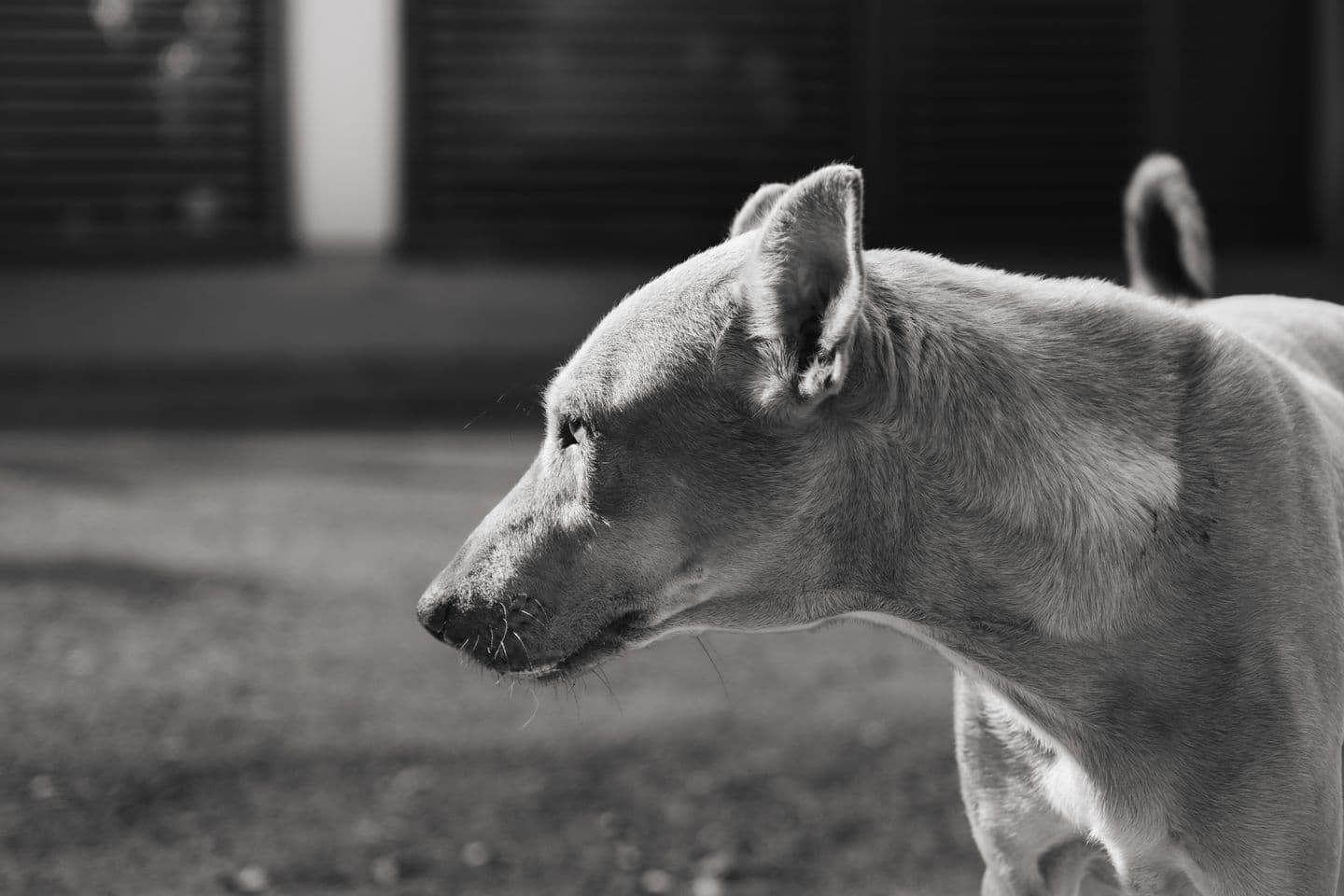
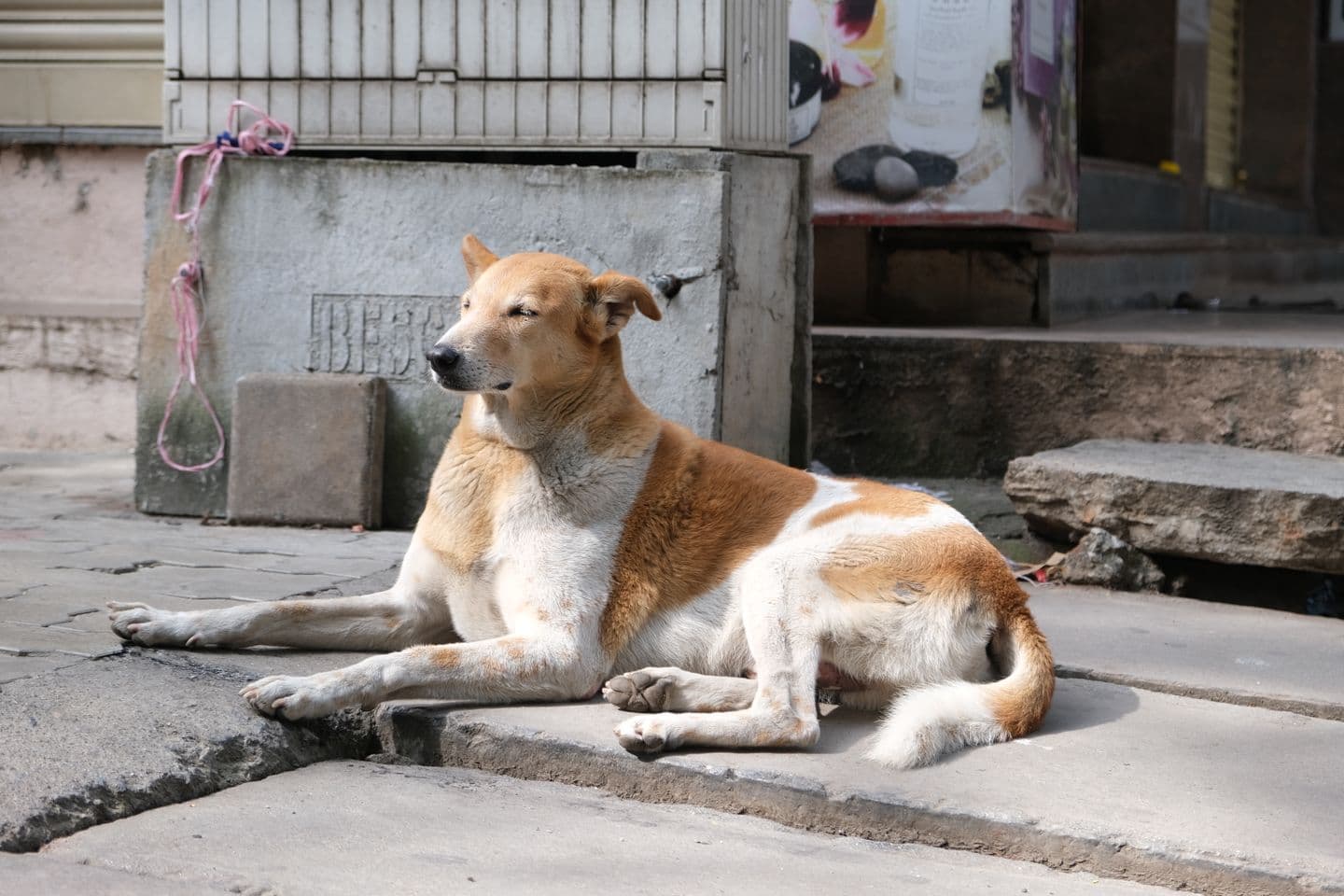
They are generally medium-sized, short-coated dogs with lean, athletic bodies and alert temperaments. Their appearance varies considerably across regions and individuals.
Many have developed an ability to cope with local weather conditions and a range of living environments.
However, adaptation does not mean they are immune to heat, infections, parasites or other health problems. They still require preventive healthcare, nutrition and responsible veterinary attention.
Why Indies make excellent companions
There is no single personality that describes every Indie. Like all dogs, their temperament depends on genetics, early experiences, socialisation and individual character.
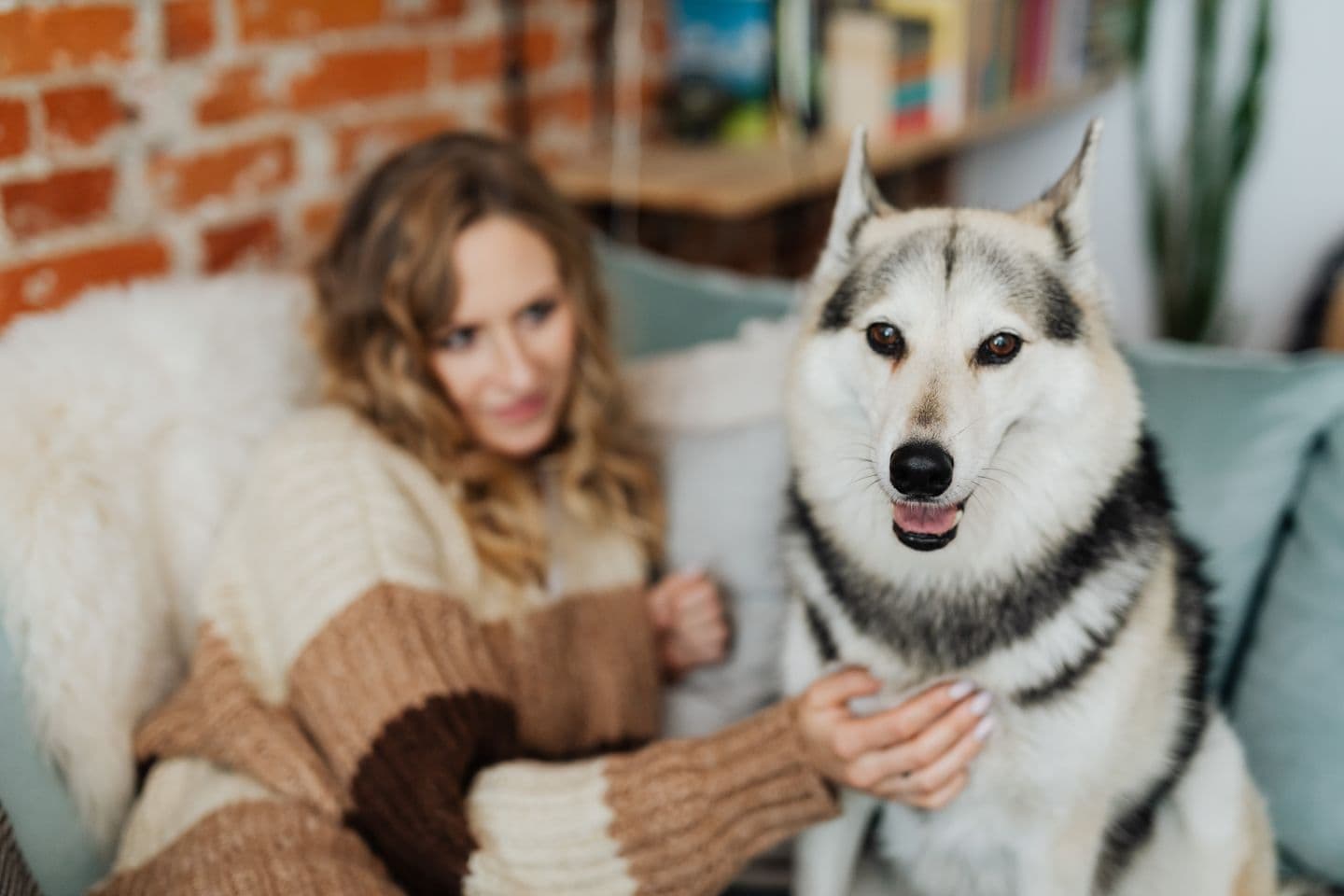
Many are intelligent, observant and capable of forming strong bonds with their families.
They can make affectionate companions when provided with appropriate training, exercise and positive reinforcement.
Their adaptability can also make them suitable for different households, provided their individual needs are understood.
A healthier alternative to breed-driven demand?
Some pedigree breeds have inherited characteristics that predispose them to specific health problems. Extreme body shapes, breathing difficulties and certain inherited conditions can affect quality of life.
Indian native dogs do not share all the health risks associated with particular selectively bred populations. However, they are not disease-free, and responsible veterinary care remains essential.
Choosing an Indie can help reduce demand for irresponsible commercial breeding.
The economics of adoption
Adopting an Indie from a credible rescue organisation or shelter can be more affordable than purchasing a pedigree puppy.
The adoption process may include vaccinations, deworming, sterilisation and veterinary assessment, depending on the organisation.
However, adoption does not eliminate the long-term expenses of food, healthcare, preventive treatments and emergencies.
The real advantage is not that an Indie is a cheaper dog. It is that adoption gives an existing animal a home rather than creating additional commercial demand.
Changing social perceptions
One reason Indies remain underappreciated is the association of pedigree dogs with status and lifestyle.
Breed-specific marketing, celebrity ownership and social media trends have reinforced this perception.
But companionship is not a competition in appearance.
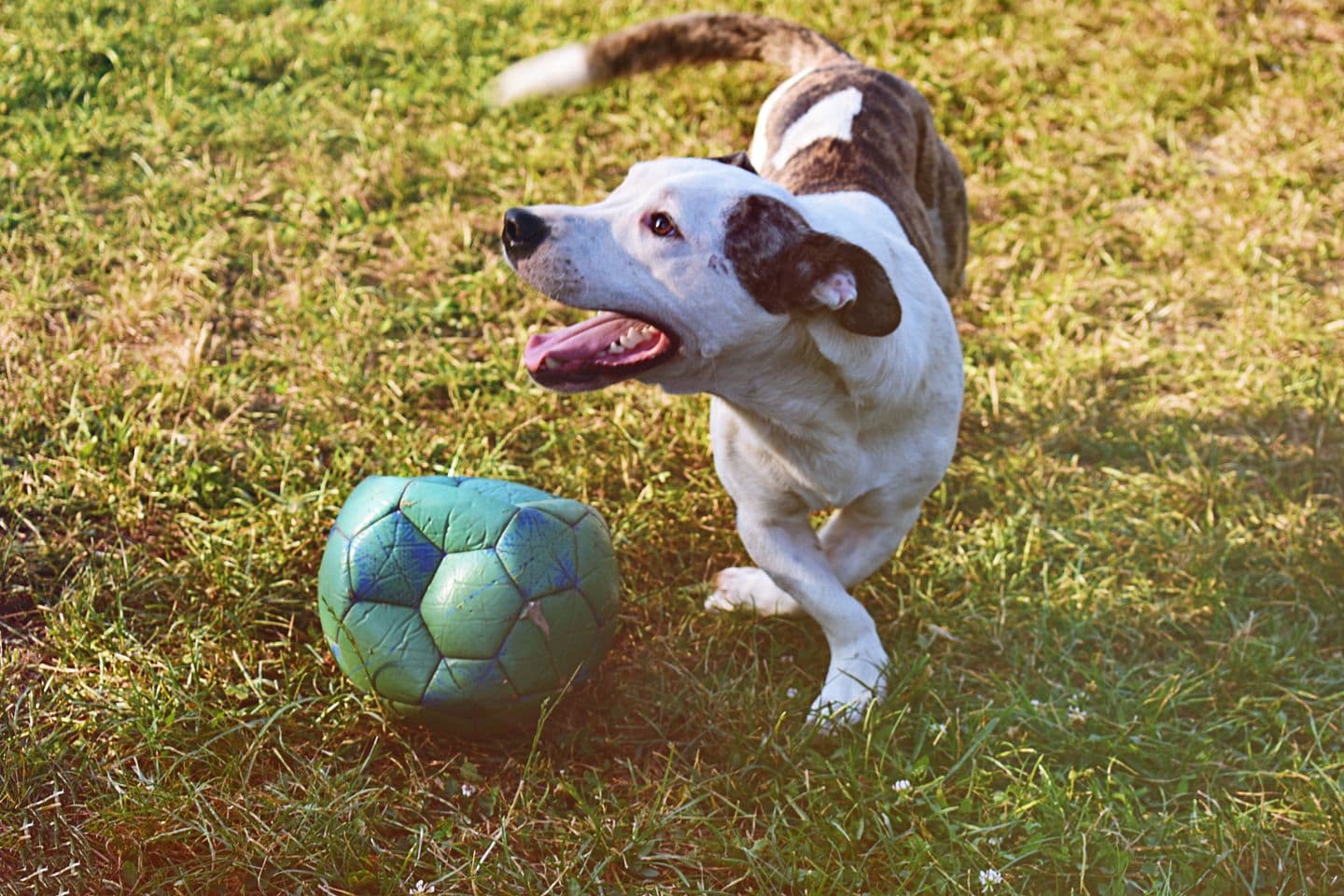
An Indie can be playful, protective, affectionate, energetic or relaxed, just like a dog of any other background.
The most important consideration is whether the animal's temperament and requirements match the household.
Give an Indie a chance
If you are considering bringing a dog home, visit a local shelter or rescue organisation. Spend time with the animals. Ask about their history, temperament and health.
Consider adult dogs as well as puppies. Many adult Indies have established personalities and are waiting for someone to give them a permanent home.
India's native dogs deserve recognition not because they are an alternative to foreign breeds, but because they are valuable companions in their own right.
They do not need a pedigree certificate to prove their worth.
They need responsible families willing to see them for what they are: dogs capable of giving and receiving affection.
Street dogs are among the most visible yet misunderstood animals in Indian cities. They live outside our homes, sleep near shops, guard neighbourhoods and survive on the margins of human settlements.
A hospital is a place where people wait. Families wait for news, doctors wait for test results, and patients wait for someone to tell them that everything will be all right.