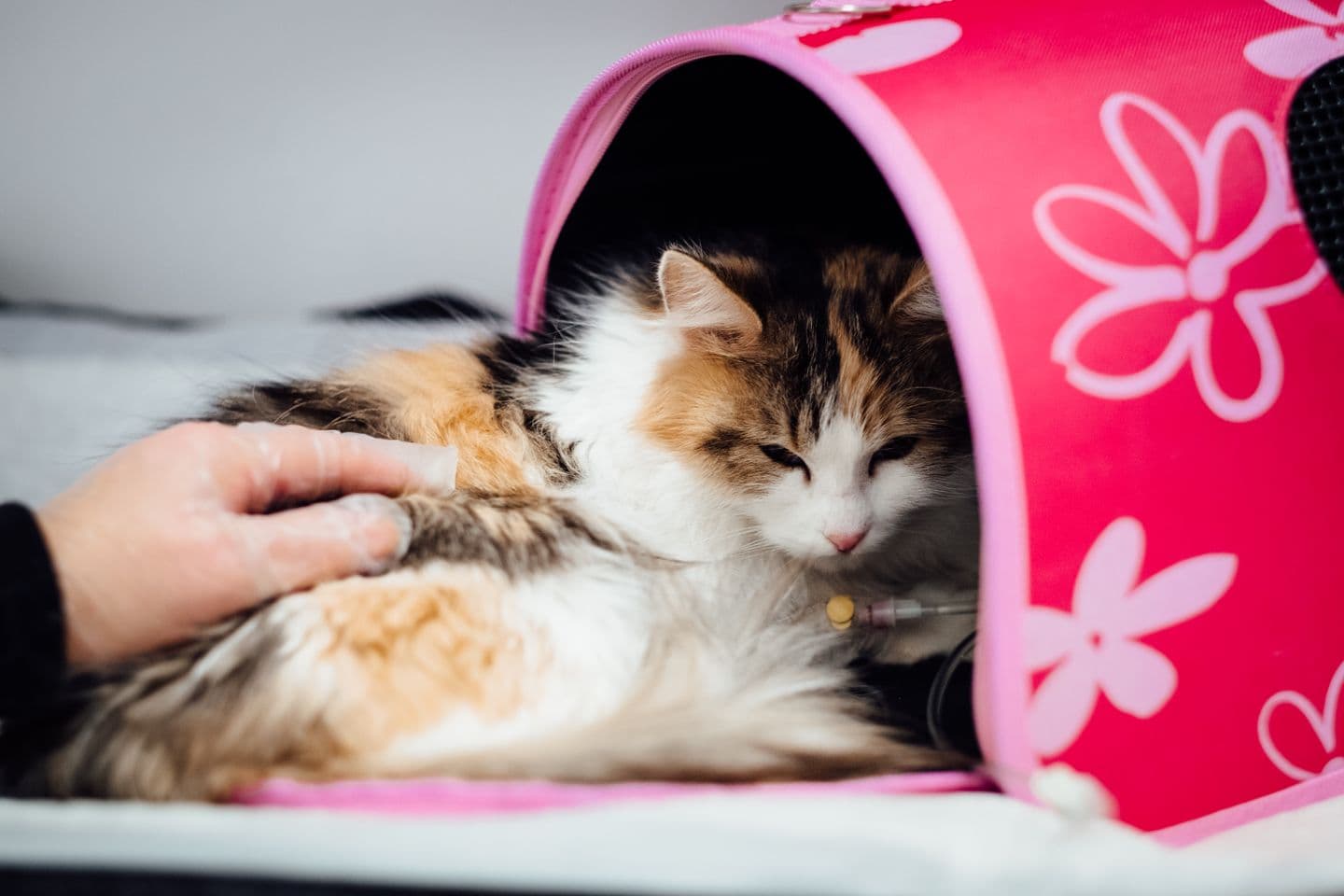
Bringing a pet home involves a long-term financial commitment. Food, accessories and grooming are visible expenses, but veterinary costs can sometimes be considerably higher.
Bringing a pet home involves a long-term financial commitment. Food, accessories and grooming are visible expenses, but veterinary costs can sometimes be considerably higher.
Routine preventive care is relatively predictable. Accidents, infections, chronic illnesses and emergency surgeries are not.
Understanding the different categories of veterinary expenditure helps pet parents plan responsibly.
Routine veterinary expenses
Every pet requires regular preventive healthcare. Depending on the species, age and health condition, expenses may include:
Initial veterinary consultations.
Core and recommended vaccinations.
Deworming.
Tick and flea prevention.
Annual health examinations.
Dental examinations and cleaning.
Diagnostic tests.
Sterilisation or neutering.
Puppies and kittens generally require more frequent veterinary visits during their early months because of vaccination schedules and developmental monitoring.
Older animals may require more frequent consultations and diagnostic investigations.
Unexpected medical expenses
Emergency veterinary treatment can be significantly more expensive than routine care.
Examples include:
Road accidents and fractures.
Gastrointestinal obstructions.
Poisoning.
Severe infections.
Kidney and liver conditions.
Cancer diagnosis and treatment.
Emergency caesarean sections.
Hospitalisation and intensive care.
The final bill depends on the severity of the condition, diagnostic requirements, treatment complexity, hospital facilities and duration of care.
How much should pet parents budget?
There is no single reliable veterinary cost applicable across India. Fees vary between cities, clinics, specialists and hospitals.
As an illustration, a pet parent in a metropolitan city might budget for the following categories:
Expense
Planning approach
Routine consultations
Keep a regular annual allowance
Vaccinations
Budget according to the veterinary schedule
Parasite prevention
Include recurring monthly or quarterly expenses
Diagnostic tests
Maintain an additional reserve
Dental care
Plan for periodic assessment
Emergency treatment
Maintain a separate contingency fund
Chronic medication
Budget as a recurring expense
Obtain quotations from local veterinary clinics rather than relying on national averages.
Build an emergency veterinary fund
One of the most practical approaches is to maintain a separate savings account for pet healthcare.
Make regular monthly contributions, even when the animal is healthy.
Pet insurance can provide additional protection, but remember that exclusions, deductibles and waiting periods may leave certain expenses uncovered.
Preventive care reduces long-term costs
Prevention is generally more affordable than treating advanced disease.
Monitor changes in appetite, weight, drinking habits, mobility and behaviour. Early diagnosis can improve treatment outcomes and may prevent complications.
Avoid self-medication or delaying veterinary consultations to save money. These decisions can make conditions more serious and expensive to treat.
Consider lifetime costs before adopting
A pet may live for 10–15 years or longer, depending on the species. Financial planning must cover the entire lifespan, including ageing-related healthcare.
Different species also have different requirements. Dogs and cats need routine veterinary care, while rabbits, birds, reptiles and other exotic pets may require specialised veterinary services that are less readily available.
Responsible ownership includes financial preparedness
Adopting an animal is not a one-time expenditure. It is a continuing responsibility.
A financially prepared pet parent is better positioned to make medical decisions based on the animal's needs rather than immediate affordability.
The objective is not to spend unnecessarily, but to ensure that financial limitations do not prevent an animal from receiving essential care.
Street dogs are among the most visible yet misunderstood animals in Indian cities. They live outside our homes, sleep near shops, guard neighbourhoods and survive on the margins of human settlements.
A hospital is a place where people wait. Families wait for news, doctors wait for test results, and patients wait for someone to tell them that everything will be all right.