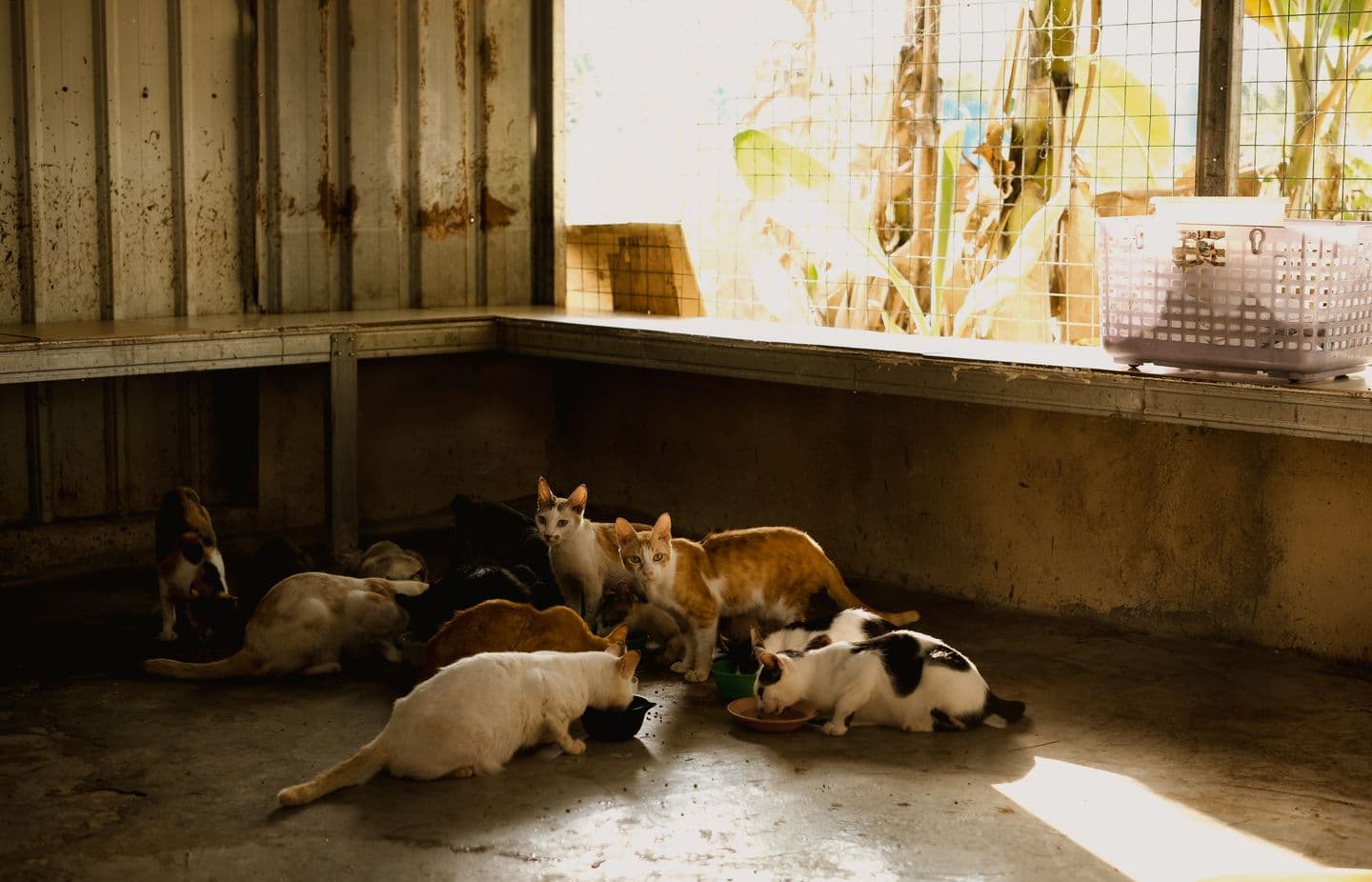
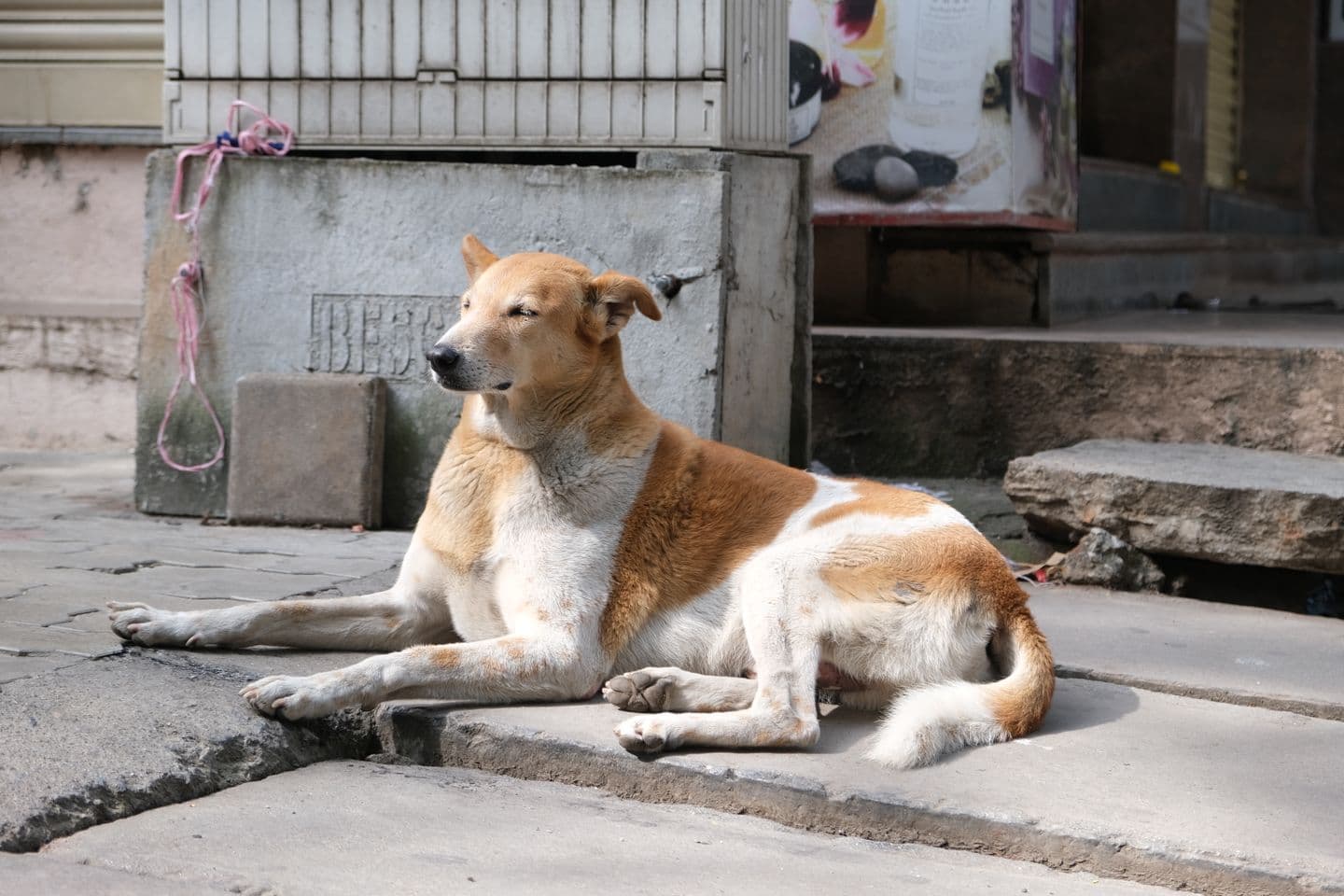
An injured dog on the roadside, a litter of abandoned puppies or a cat trapped in a drain can trigger an immediate emotional response.
Someone makes a call, arranges transportation and takes the animal to a veterinarian. A rescue is completed, and the person who intervened feels relieved.
But what happens next?
For many independent rescuers, the rescue does not end when the animal leaves the roadside. It marks the beginning of a much longer responsibility.
The first rescue is often the beginning
Many rescuers begin without any formal plan.
They may help one injured animal, foster an abandoned puppy or arrange treatment for a sick cat. Gradually, more cases arrive through neighbours, social media and word of mouth.
People begin calling them whenever they find an animal in distress.
Before long, a temporary act of kindness becomes a regular commitment involving time, money and emotional energy.
The financial burden
Rescue work is expensive.
Veterinary consultations, diagnostic tests, surgery, medication, food, transportation and rehabilitation all involve costs.
Animals with serious injuries may require multiple procedures. Puppies and kittens may need frequent monitoring. Animals with disabilities or chronic conditions can require lifelong care.
Independent rescuers often depend on personal savings and donations. Financial uncertainty makes planning difficult.
A single complicated medical case can consume resources intended for several other animals.
The emotional cost
Rescuers frequently encounter suffering that is difficult to process.
Some animals recover and find loving homes. Others die despite treatment. Some are repeatedly abandoned, while others remain in shelters because nobody is willing to adopt them.
There is also the emotional pressure of receiving distress calls at all hours.
Rescuers may struggle with guilt when they cannot help every animal. They may experience frustration when promised donations do not arrive or when an adopted animal is returned.
Compassion fatigue is a genuine risk.
Rescue cannot depend on one person
A sustainable rescue effort requires a support network.
Veterinarians, foster families, volunteers, transport providers, donors and adoption coordinators all play important roles.
Rescuers should maintain medical records, track expenses and establish clear procedures for handling donations.
They must also recognise their limits. Accepting more animals than they can safely accommodate can compromise the welfare of animals already under their care.
Saying no to a case because resources are unavailable does not automatically mean someone lacks compassion.
The importance of fostering and adoption
Foster homes can provide temporary care while animals recover or wait for permanent families.
This reduces pressure on rescue facilities and allows animals to experience a more familiar domestic environment.
Responsible adoption is equally important. Rescuers should assess prospective families, explain the animal's requirements and provide accurate medical and behavioural information.
An animal should not simply be transferred from one uncertain situation to another.
Supporting the people behind the rescue
People often donate food or money to animal rescue organisations, but they rarely consider the well-being of the rescuers themselves.
Financial support, volunteer assistance, transportation, veterinary partnerships and temporary respite can make an enormous difference.
Rescue organisations also benefit from professional help with accounting, communications, fundraising and legal compliance.
Compassion needs sustainability
The world will always need people willing to help animals in distress. But rescue should not become an exhausting responsibility carried by a handful of individuals.
The most effective animal welfare ecosystem is one in which communities, governments, veterinarians and organisations share responsibility.
Rescuers may begin with the desire to save one life. Their commitment often extends much further.
Street dogs are among the most visible yet misunderstood animals in Indian cities. They live outside our homes, sleep near shops, guard neighbourhoods and survive on the margins of human settlements.
A hospital is a place where people wait. Families wait for news, doctors wait for test results, and patients wait for someone to tell them that everything will be all right.