The Indian monsoon brings relief from summer heat, but it also creates several health and safety challenges for pets. High humidity, stagnant water, muddy surroundings and damp indoor spaces can incre
The Indian monsoon brings relief from summer heat, but it also creates several health and safety challenges for pets. High humidity, stagnant water, muddy surroundings and damp indoor spaces can increase the risk of infections, parasites and skin problems.
Dogs and cats need particular attention during this season, although rabbits, birds and other companion animals also face weather-related risks.
Skin and fungal infections
Persistent moisture can encourage bacterial and fungal growth.
Pets that frequently get wet may develop skin irritation, redness, itching, unpleasant odours and inflamed patches.
Pay particular attention to skin folds, paws, ears and areas beneath thick coats.
Dry your pet thoroughly after walks or exposure to rain. Use a clean towel and pay attention to the spaces between the toes.
Avoid excessive bathing, which can remove natural skin oils and aggravate irritation.
Ticks, fleas and other parasites
Warm, humid conditions can favour the survival and activity of external parasites.
Ticks and fleas can cause itching, skin irritation, anaemia in severe infestations and transmit diseases.
Check your pet regularly, particularly after outdoor walks. Follow a veterinarian-recommended parasite prevention programme.
Never use agricultural pesticides or household insecticides directly on animals.
Leptospirosis and contaminated water
Leptospirosis is a bacterial infection transmitted through exposure to water or soil contaminated by the urine of infected animals, particularly rodents.
Floodwater and stagnant water can increase exposure risks.
Dogs may develop fever, lethargy, vomiting, loss of appetite, jaundice or kidney-related complications.
Vaccination may be recommended for dogs depending on local disease prevalence and individual risk.
Prevent pets from drinking from roadside puddles, drains and stagnant water. Consult a veterinarian immediately if symptoms develop after possible exposure.
Ear infections
Moisture trapped inside the ear canal can contribute to inflammation and secondary infections.
Watch for head shaking, frequent scratching, redness, discharge and unpleasant smells.
Clean ears only with veterinarian-approved products. Avoid inserting cotton buds deep into the ear canal.
Paw and foot problems
Wet roads, muddy surfaces, broken glass and sharp debris can injure paws.
Wash and dry paws after walks. Check for cuts, swelling, lodged objects and signs of irritation.
Avoid walking dogs through heavily flooded streets.
Indoor safety during heavy rain
Keep pets away from open drains, flooded basements and electrical hazards.
Secure windows and balconies during storms. Provide dry bedding and adequate ventilation.
Birds and small mammals should be protected from cold draughts and sudden temperature changes.
Maintain exercise and nutrition
Rain should not mean abandoning exercise. Indoor play, enrichment activities and short walks during breaks in rainfall can maintain physical and mental wellbeing.
Continue feeding a balanced diet and ensure drinking water remains clean and fresh.
When should you visit a veterinarian?
Persistent itching, hair loss, ear discharge, vomiting, diarrhoea, fever, lethargy and loss of appetite warrant veterinary assessment.
Do not assume that every monsoon-related symptom is a minor seasonal problem.
The monsoon can be enjoyable for pets if their hygiene, environment and preventive healthcare receive appropriate attention.
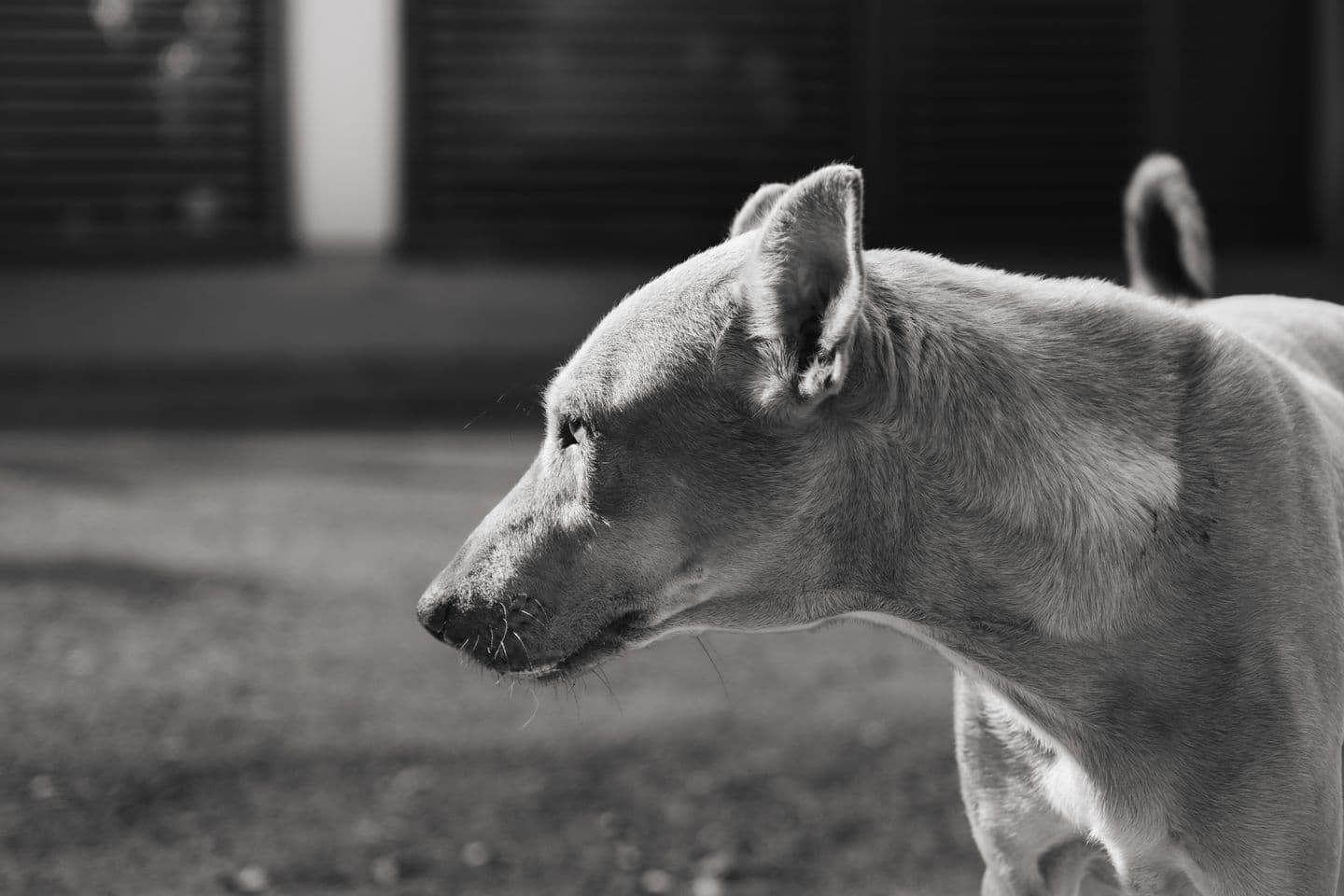
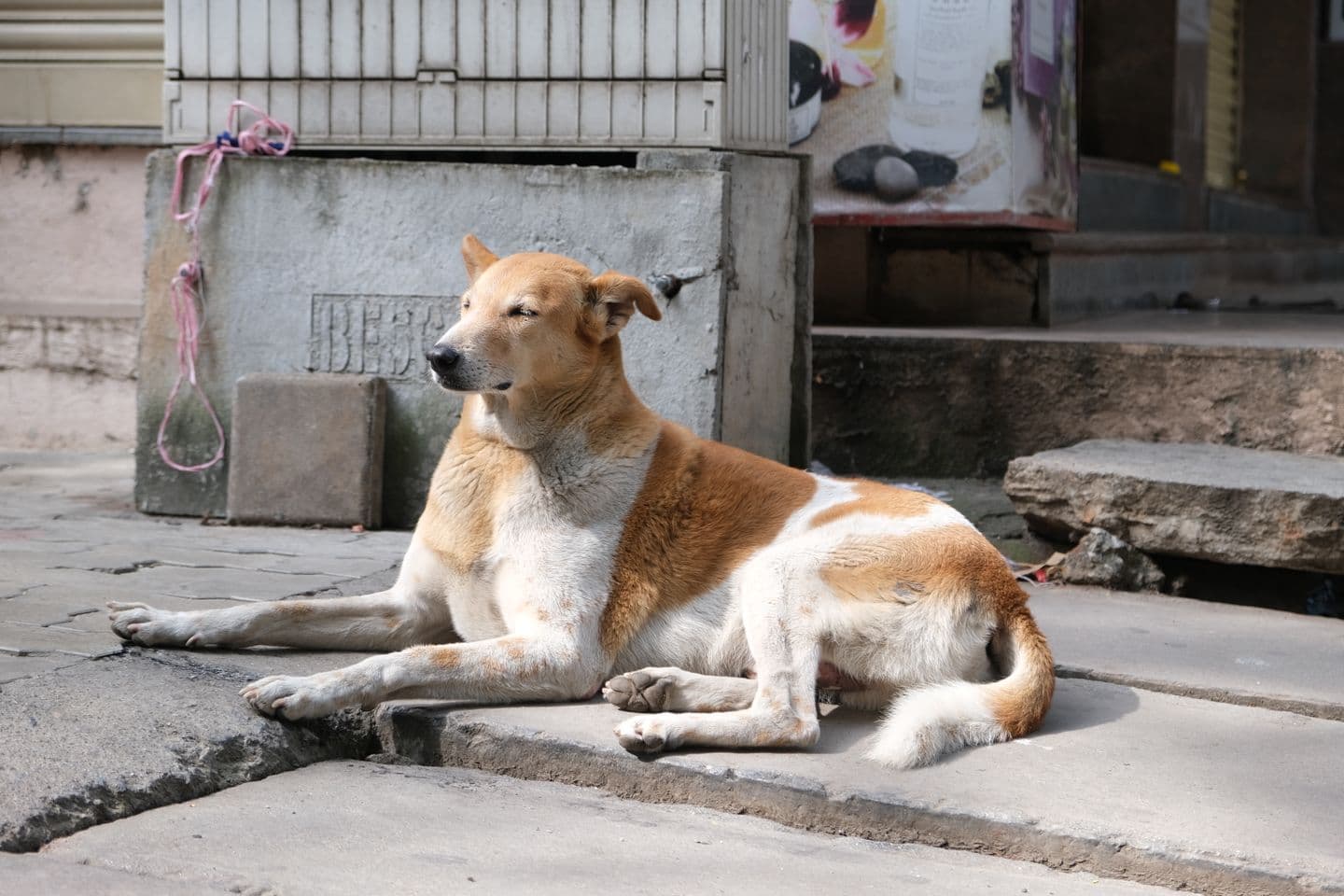
Street dogs are among the most visible yet misunderstood animals in Indian cities. They live outside our homes, sleep near shops, guard neighbourhoods and survive on the margins of human settlements.
A hospital is a place where people wait. Families wait for news, doctors wait for test results, and patients wait for someone to tell them that everything will be all right.