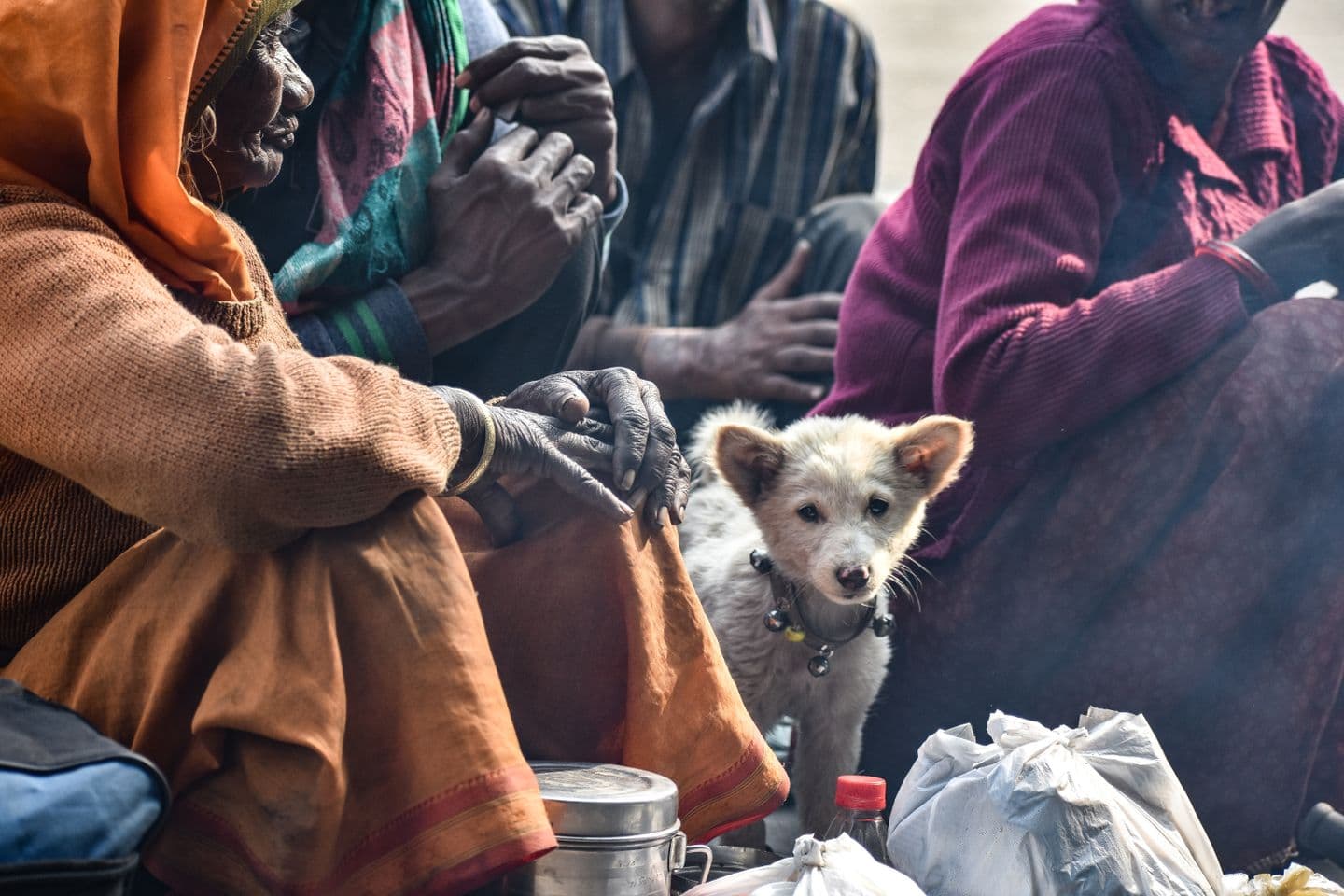
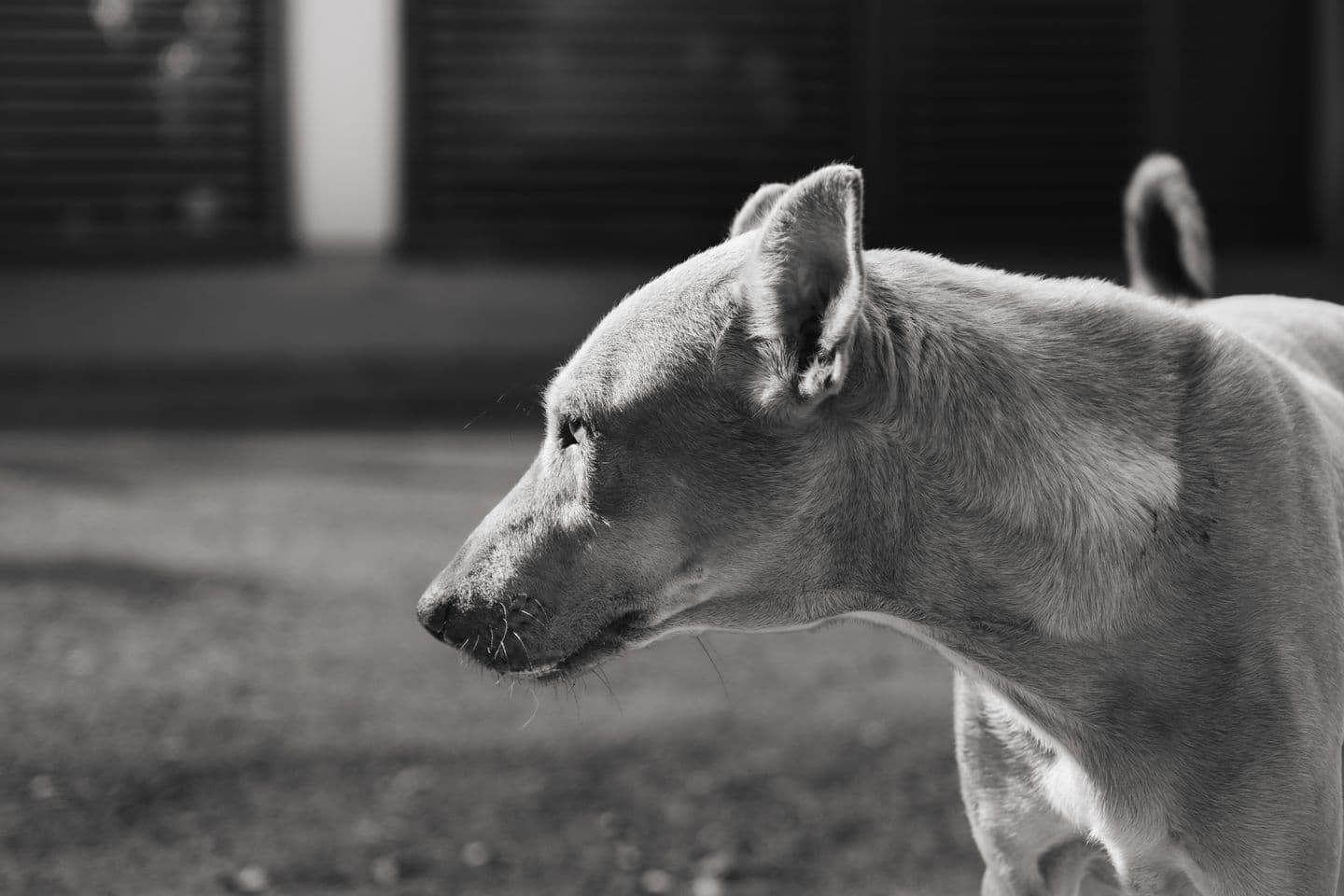
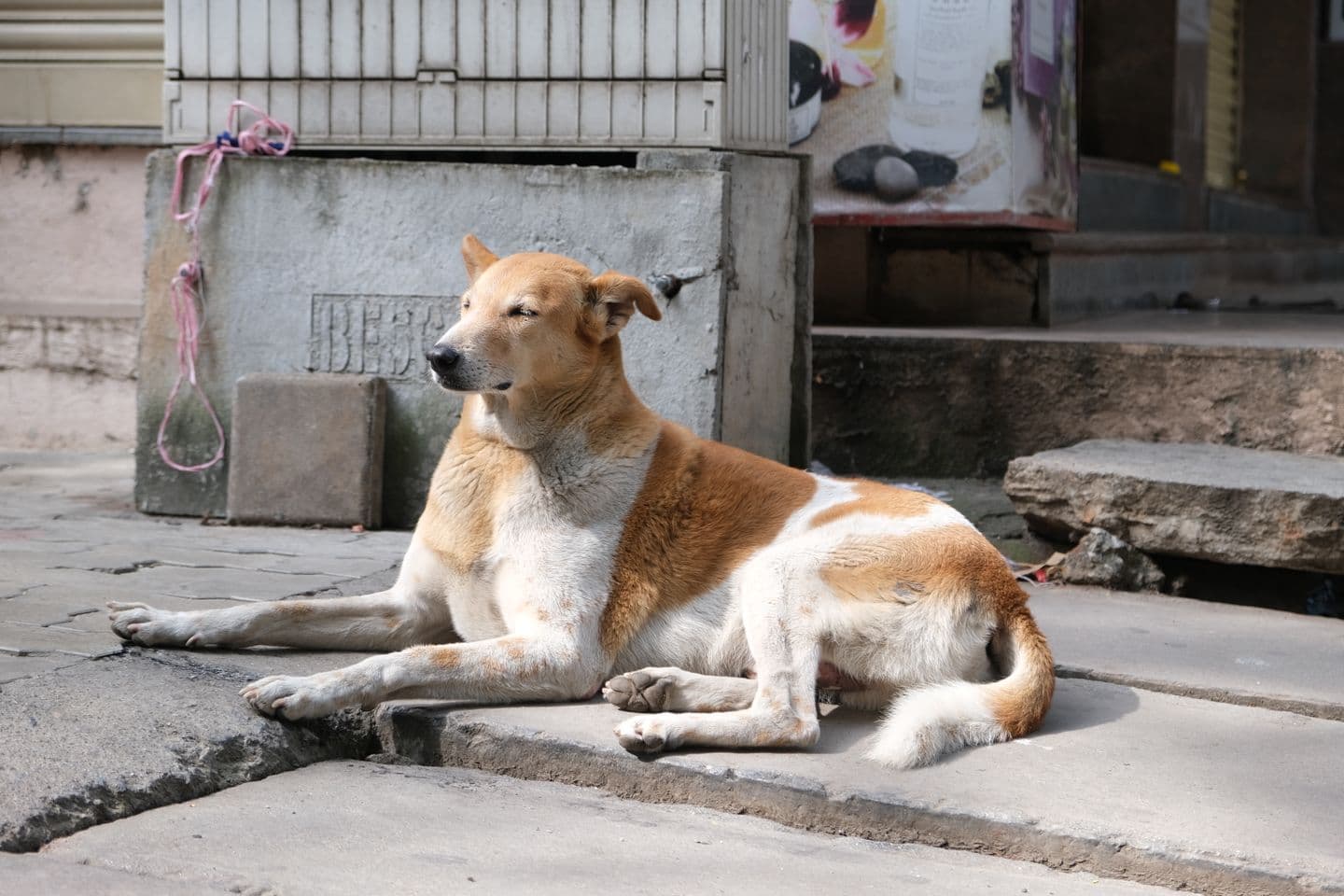
They are not always famous. They rarely appear in newspaper headlines unless something extraordinary happens. Many do not have large organisations, corporate sponsors or professional fundraising teams
They are not always famous. They rarely appear in newspaper headlines unless something extraordinary happens. Many do not have large organisations, corporate sponsors or professional fundraising teams.
Yet across India, thousands of individuals dedicate their lives to rescuing, treating and protecting animals.
They are the grassroots animal rescuers: the people who respond to midnight calls, arrange emergency surgeries, feed abandoned animals and search for homes for those nobody wants.
Their work often happens quietly, away from public attention.
A commitment that begins with one animal
For many rescuers, the journey begins with a single incident.
An injured dog lying beside a road. A litter of puppies abandoned near a construction site. A bird fallen from its nest. A cat trapped inside a building.
Someone decides to intervene.
That first experience can change the way a person looks at animal suffering. What begins as an occasional act of kindness can gradually become a lifelong commitment.
Some rescuers continue working independently. Others establish shelters, animal welfare organisations or community feeding programmes.
The realities behind the photographs
Social media often shows the positive side of rescue work: an injured animal recovering, a puppy finding a home or a dog finally running freely after months of treatment.
The photographs rarely reveal the difficult journey behind them.
A rescuer may spend hours arranging an ambulance, negotiating with a veterinary clinic or trying to find an available operating theatre.
There are repeated follow-ups, medication schedules, rehabilitation requirements and adoption enquiries.
Financial pressures are constant. Donations may be unpredictable, while veterinary bills cannot always wait.
The emotional burden is equally demanding. Not every animal survives. Not every rescued animal finds a home.
The diversity of India's animal rescuers
Grassroots animal welfare work takes many forms.
Some individuals focus on street dogs and cats. Others work with injured birds, cattle, horses, donkeys or wildlife.
Some run shelters with dozens of animals. Others operate entirely through foster networks, placing rescued animals in temporary homes.
There are also people who spend their time organising sterilisation and vaccination drives, educating communities or helping pet parents who can no longer care for their animals.
Their approaches may differ, but their motivation is often similar: an unwillingness to accept unnecessary animal suffering.
Why their work matters
Animal rescue is not merely about removing an animal from danger.
It creates a connection between an animal in need and the resources required for its recovery.
A rescuer may identify an injury that would otherwise go untreated. They may connect an abandoned animal with a veterinarian, organise rehabilitation or find a family willing to adopt.
They also serve as an important link between communities and local authorities.
In places where formal animal welfare infrastructure is inadequate, independent rescuers often fill critical gaps.
How can we support them?
People do not need to become rescuers themselves to contribute.
They can:
Support verified rescue organisations through regular donations.
Sponsor treatment, food or sterilisation programmes.
Volunteer for transportation, fostering and adoption activities.
Offer professional services such as photography, accounting or digital marketing.
Help spread adoption appeals responsibly.
Report animal cruelty and emergencies through appropriate channels.
Even small, consistent contributions can make rescue work more sustainable.
It is important to verify an organisation's activities and donation requirements before contributing.
Recognising compassion in action
India's animal welfare movement is built not only by large organisations but also by ordinary people who refuse to look away.
Their work is physically exhausting, financially demanding and emotionally challenging.
They may never rescue every animal that needs help. But for every animal that receives treatment, escapes cruelty or finds a permanent home, their intervention matters.
We often celebrate the animal that has been saved. Perhaps we should also recognise the person who made that rescue possible.
Behind many second chances is someone who refused to give up.
Street dogs are among the most visible yet misunderstood animals in Indian cities. They live outside our homes, sleep near shops, guard neighbourhoods and survive on the margins of human settlements.
A hospital is a place where people wait. Families wait for news, doctors wait for test results, and patients wait for someone to tell them that everything will be all right.